Food inflation in Argentina is not just a question of how fast prices are rising, but where they are rising and how much of a household’s income they consume. A new provincial breakdown shows that the same monthly shopping basket is now eating up close to 40% of two average salaries in parts of the north, while the burden is far lighter in Patagonia despite higher sticker prices there.
Argentina food inflation hits northern provinces hardest
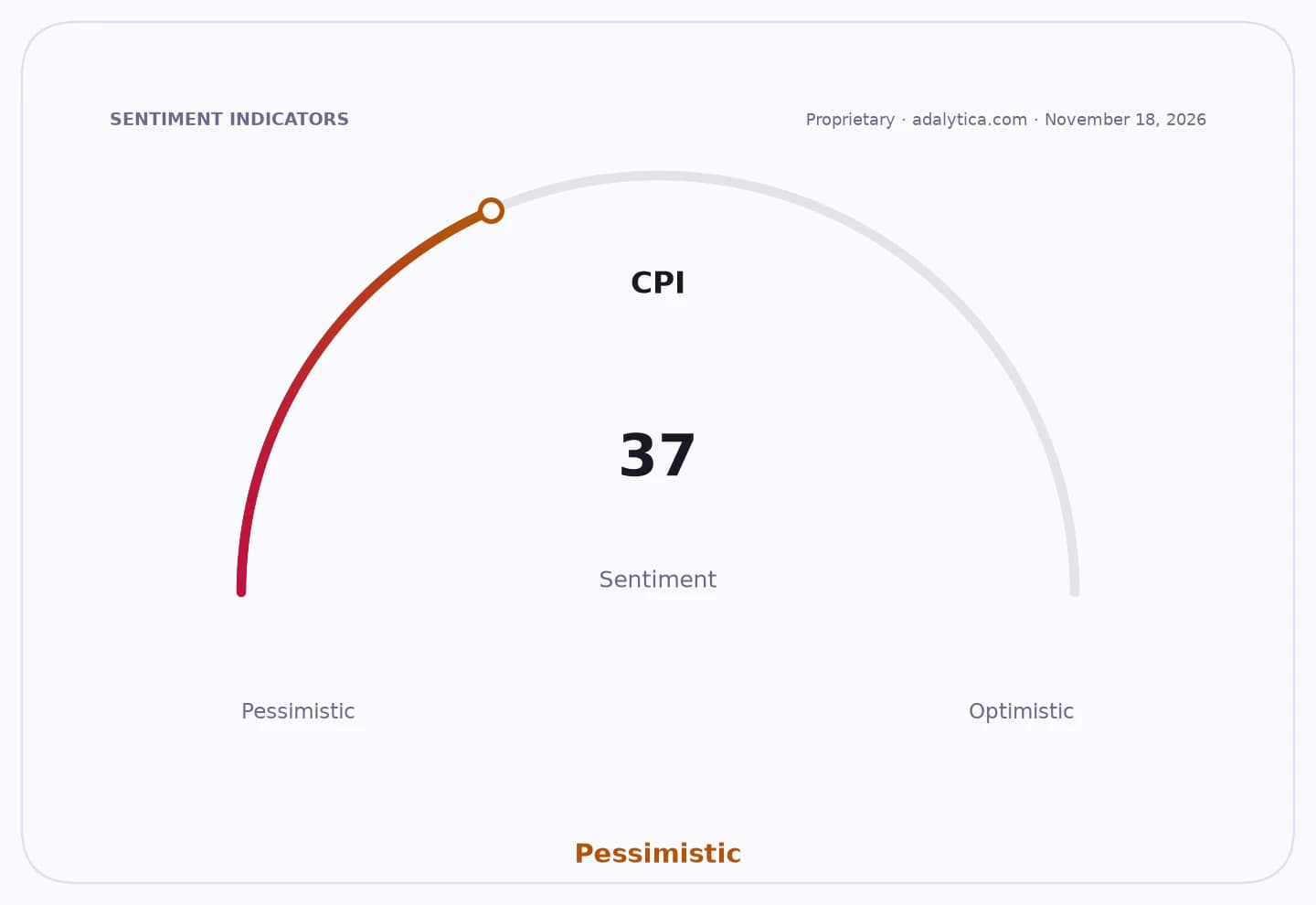
CPI
That gap matters because it exposes a core weakness in Argentina’s inflation story: price gains are not landing evenly, and regional wage differences are amplifying the squeeze on consumption. For policymakers, it underscores why slowing headline inflation is not translating into relief for many families. For investors, it is another sign that weak disposable income and uneven purchasing power will keep weighing on demand, especially in lower-income provinces where food takes a bigger share of spending.
Sentiment Indicators
CPI
The Changuito Federal index, compiled by Analytica from online supermarket prices, found that Jujuy posted the biggest monthly increase in October at 3.7%, followed by Entre Ríos at 3.5% and Catamarca at 3.3%. On an annual basis, Misiones led with a 32.4% rise in the basket, ahead of Formosa at 32.1% and Chaco at 31.5%. Those figures suggest that inflation is being driven not only by national macroeconomic conditions but also by logistics, supply bottlenecks and what the report described as a strong speculative component.
The regional split is economically important because it changes the real impact of inflation on households. In Patagonia, where prices are highest, salaries are also relatively stronger. Analytica said the basket represented 13.6% of two average wages in Neuquén, 15.5% in Santa Cruz and 18.2% in Chubut. In the north, by contrast, the same basket absorbed close to two-fifths of two average salaries, including 39.4% in Santiago del Estero, 39.1% in Tucumán and 37.7% in Misiones. That means the affordability crisis is deepest where incomes are weakest, even if nominal price increases are sometimes smaller than in the south.
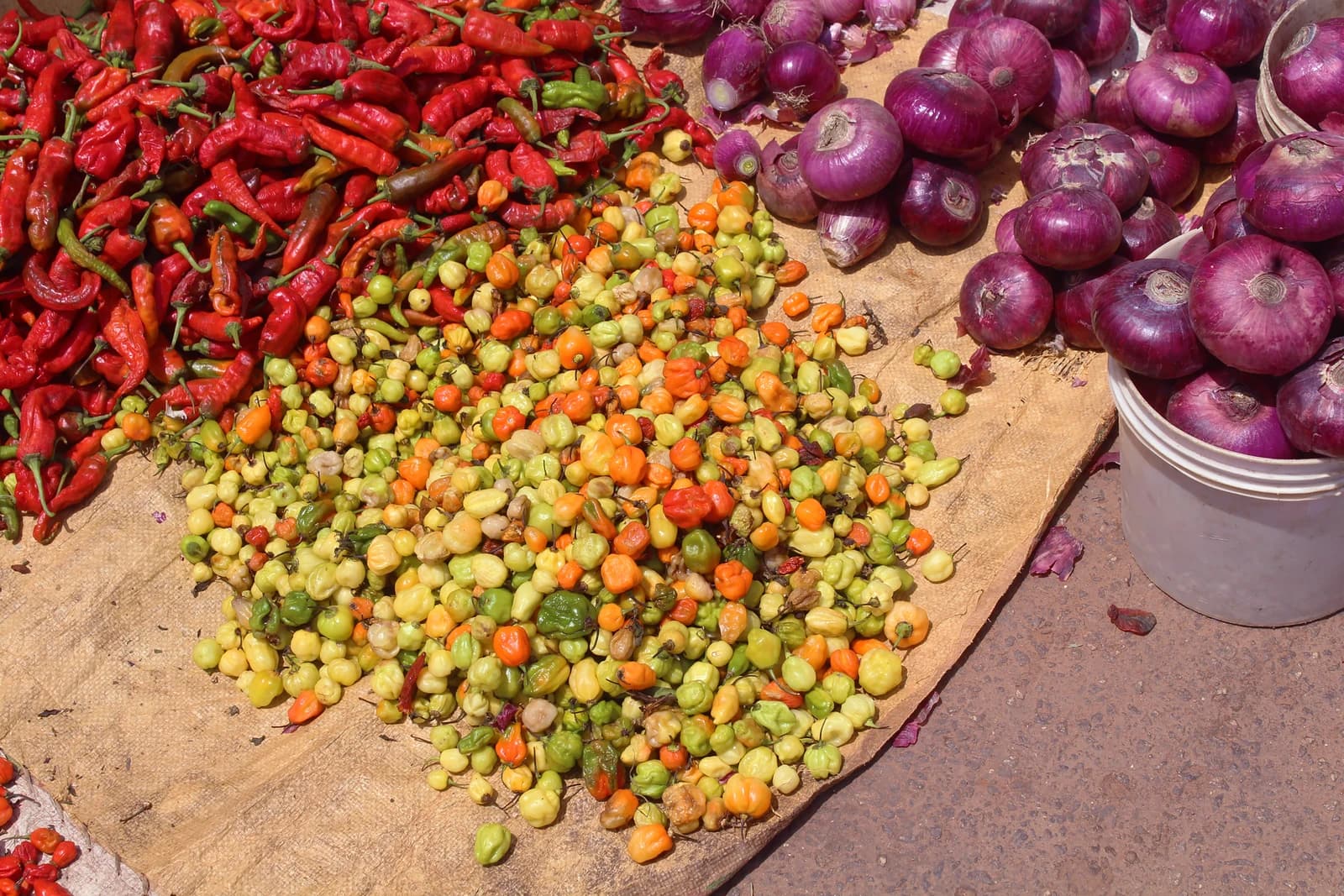
The composition of the monthly jump also matters. Onion prices surged across much of the country, with La Rioja up 73.3% and Chaco 61.1%. Potatoes rose 38.6% in Corrientes, 34.4% in Santiago del Estero and 32.2% in Santa Fe. Broth cubes, powdered gelatin and hamburgers also rose broadly, reinforcing the sense that basic food items remain under pressure. When staples move this way, households typically cut back on other spending first, which feeds directly into weaker retail volumes and softer local economic activity.
For markets, the message is that Argentina’s disinflation process remains fragile at the household level even if national inflation slows from crisis peaks. The Federal Reserve’s benchmark inflation gauge in the U.S. and broader global price dynamics may be drawing attention elsewhere, but in Argentina the more immediate issue is the gap between prices and wages. Persistent food inflation in poorer provinces points to continued stress on consumption, tax revenues and social spending, while also limiting the scope for a broad demand recovery.
The likely outcome is a more uneven economic rebound, with better-paid regions coping more easily and the north remaining under pressure. Unless logistics costs ease, supply improves and wage growth closes the gap, the real cost of the shopping basket will keep suppressing spending in the provinces least able to absorb it.
| Entity | Gains | Losses |
|---|---|---|
| Patagonian households | ▲Higher wages buffer costs | ▼Still face expensive baskets |
| Northern households | ▲None | ▼Largest share of income spent on food |
| Food retailers | ▲Price pass-through support margins | ▼Volume demand weakens |
| Policymakers | ▲Regional data improves targeting | ▼Inflation relief remains incomplete |