Tomatoes and rice got more expensive in Acre’s two biggest urban centers in October, pushing up the cost of a basic food basket and underscoring how uneven food inflation is still squeezing household budgets even as some staples, including coffee, eased.
Acre food basket rises as tomatoes and rice climb
CPI
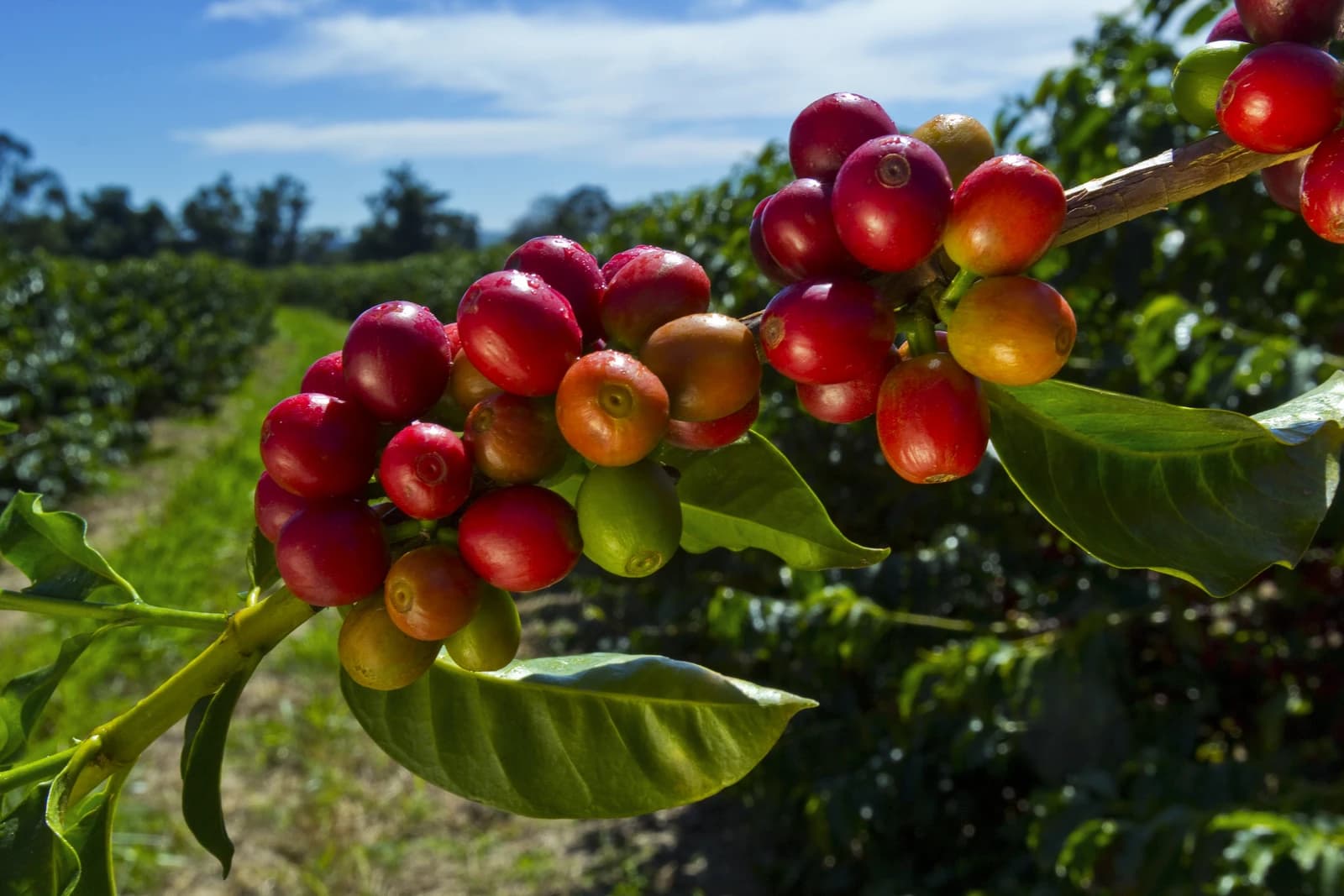
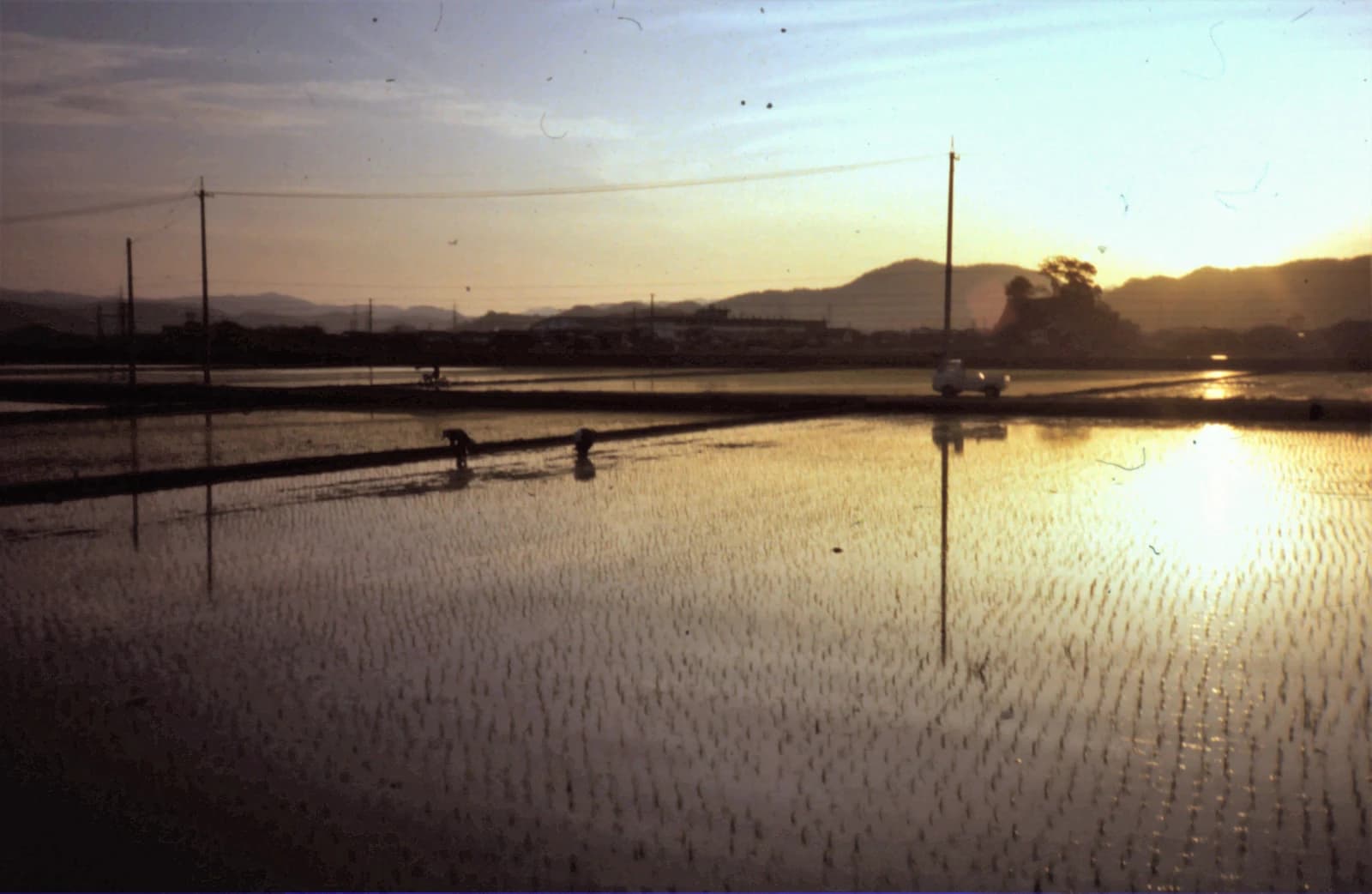
The sharpest move came in tomatoes, which rose 9.19% in Rio Branco and 21.33% in Cruzeiro do Sul from September, according to the state planning department’s monthly basket survey. Rice also climbed, up 5.43% in the capital and 4.68% in the interior city. Coffee was the only food item to fall in both markets, dropping 2.49% in Rio Branco and 3.16% in Cruzeiro do Sul.
Sentiment Indicators
CPI
The basket’s total cost rose to 622.48 reais in Rio Branco, up 2.08% on the month, and to 641.04 reais in Cruzeiro do Sul, up 5.96%. That gap matters: Cruzeiro do Sul’s basket was 18.56 reais more expensive, showing how food inflation can hit inland markets harder when transport, logistics and local supply are tighter.
For consumers, the message is straightforward: food-price relief remains patchy. A fall in coffee is unlikely to offset the higher cost of staples that anchor daily meals, especially tomatoes and rice. For low-income households, where food accounts for a larger share of spending, even modest monthly increases can quickly erode purchasing power and force trade-offs in other essentials.
The report also fits a broader inflation pattern seen across emerging and frontier markets, where headline inflation can cool while food costs remain stubborn. That dynamic is politically sensitive because food prices are the inflation line item most visible to voters and most likely to feed into expectations for wages and government action.
For investors, the main implication is that food inflation remains a risk to consumer demand and margin stability, particularly for food retailers, processors and packaged-goods companies that face pressure to absorb costs or pass them on. Higher staple prices can dampen discretionary spending and keep consumers trading down to cheaper brands and smaller baskets.
The near-term outlook depends on supply conditions for perishable crops and grains, as well as transport costs across the state. If tomato and rice prices remain elevated, local inflation will stay sticky even if some beverages and other components of the basket continue to soften.
| Entity | Gains | Losses |
|---|---|---|
| Tomato and rice sellers | ▲Higher selling prices | ▼Price-sensitive shoppers |
| Coffee buyers | ▲Cheaper staple beverage | ▼Coffee growers in the short term |
| Rio Branco households | ▲Slightly lower basket than Cruzeiro do Sul | ▼Rising food bills |
| Cruzeiro do Sul consumers | ▲None | ▼Highest basket increase |