Coffee prices in Vietnam fell again on November 17, extending a global soft patch that is starting to ease some supply pressure on buyers but is squeezing growers who were counting on a stronger peak-season bid.
Vietnam Coffee Prices Fall as Robusta Weakens
The biggest development is not the 1,000 dong-a-kilo decline itself. It is that the domestic market is tracking a wider retreat in robusta, even after a record surge in Brazilian coffee exports and despite historically tight arabica inventories. That mix is telling investors and food companies the same thing: coffee remains a volatile commodity, but near-term pricing power is shifting away from producers and toward roasters and branded beverage makers.
Sentiment Indicators
In Vietnam’s Central Highlands, coffee buying prices slipped to about 81,800-82,000 dong per kilogram, with Dak Lak and Lam Dong at 82,000 dong and Gia Lai at 81,800 dong. On London’s ICE-linked robusta market, the January 2027 contract fell 2.3% to $3,196 a ton, while the March 2027 contract dropped 2.1% to $3,174. Arabica was more mixed in New York, with the December 2026 contract down 0.1% to 279.65 cents a pound, even as later-dated contracts rose.
That divergence matters because it shows the market is still wrestling with two opposing forces: ample robusta supply and tight arabica inventories. For now, the supply side is winning in the grade that matters most for instant coffee and a large share of emerging-market blends. Brazil’s export surge has added to that pressure, and weaker domestic demand has not provided much of a floor.
For investors, that shifts the earnings map. Lower green coffee costs can support margin relief for roasters and packaged beverage companies, particularly those with pricing discipline and hedging programs. Keurig Dr Pepper, for example, reported that coffee and related products volume fell 0.5% in its latest quarter, but operating income still rose 34.6% as the company managed through pricing and mix. Mondelez and other global consumer staples names also benefit when commodity inflation cools, especially after years of pressure from cocoa, dairy and coffee costs.
Pepper, by contrast, is giving the market a different signal. Vietnamese pepper prices were steady at 134,500 to 136,000 dong per kilogram after last week’s decline, while international pepper quotes from Indonesia to Brazil and Vietnam were unchanged. That stability suggests a market that has already repriced lower and is now waiting for a fresh catalyst, rather than one still in active liquidation.
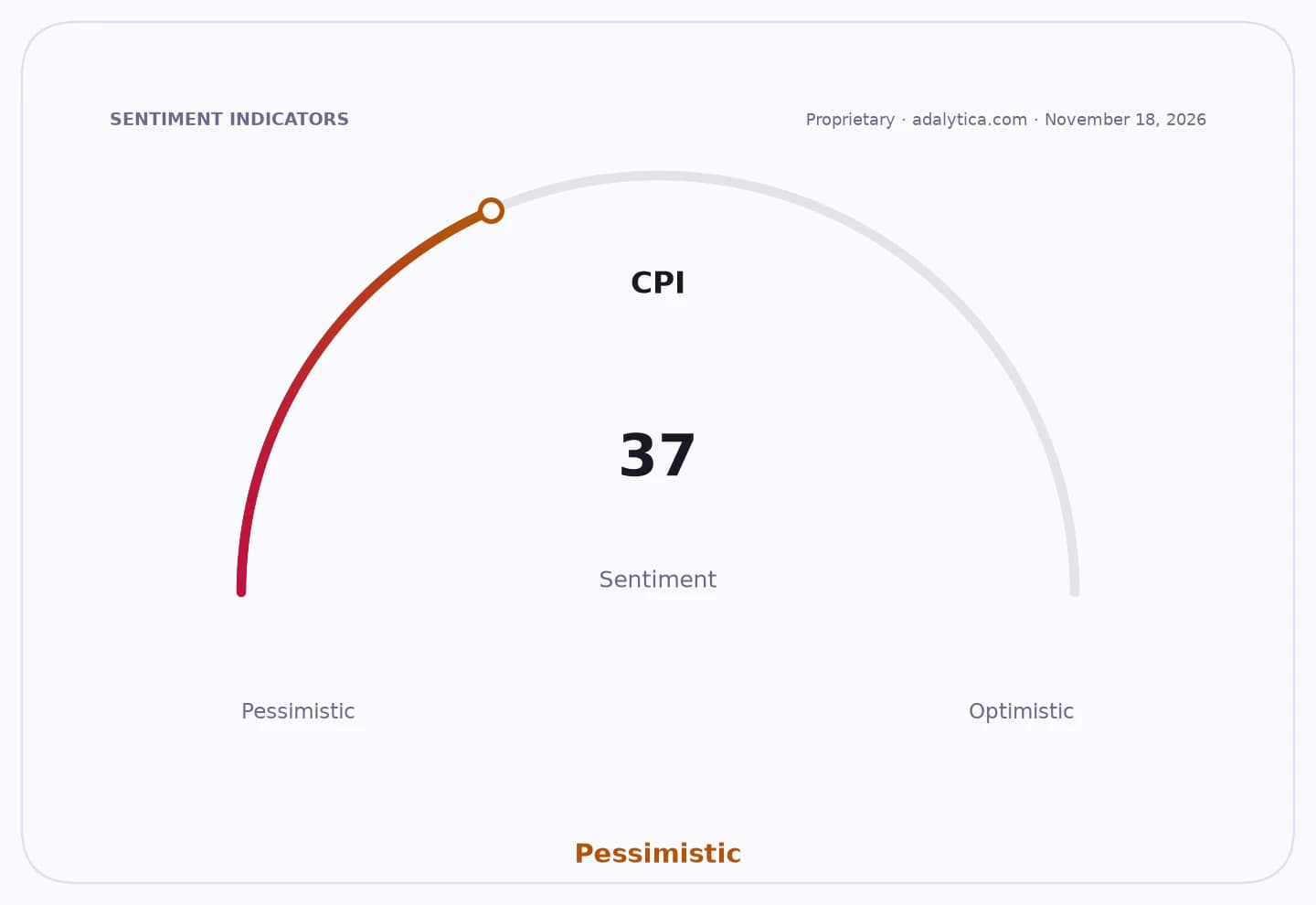
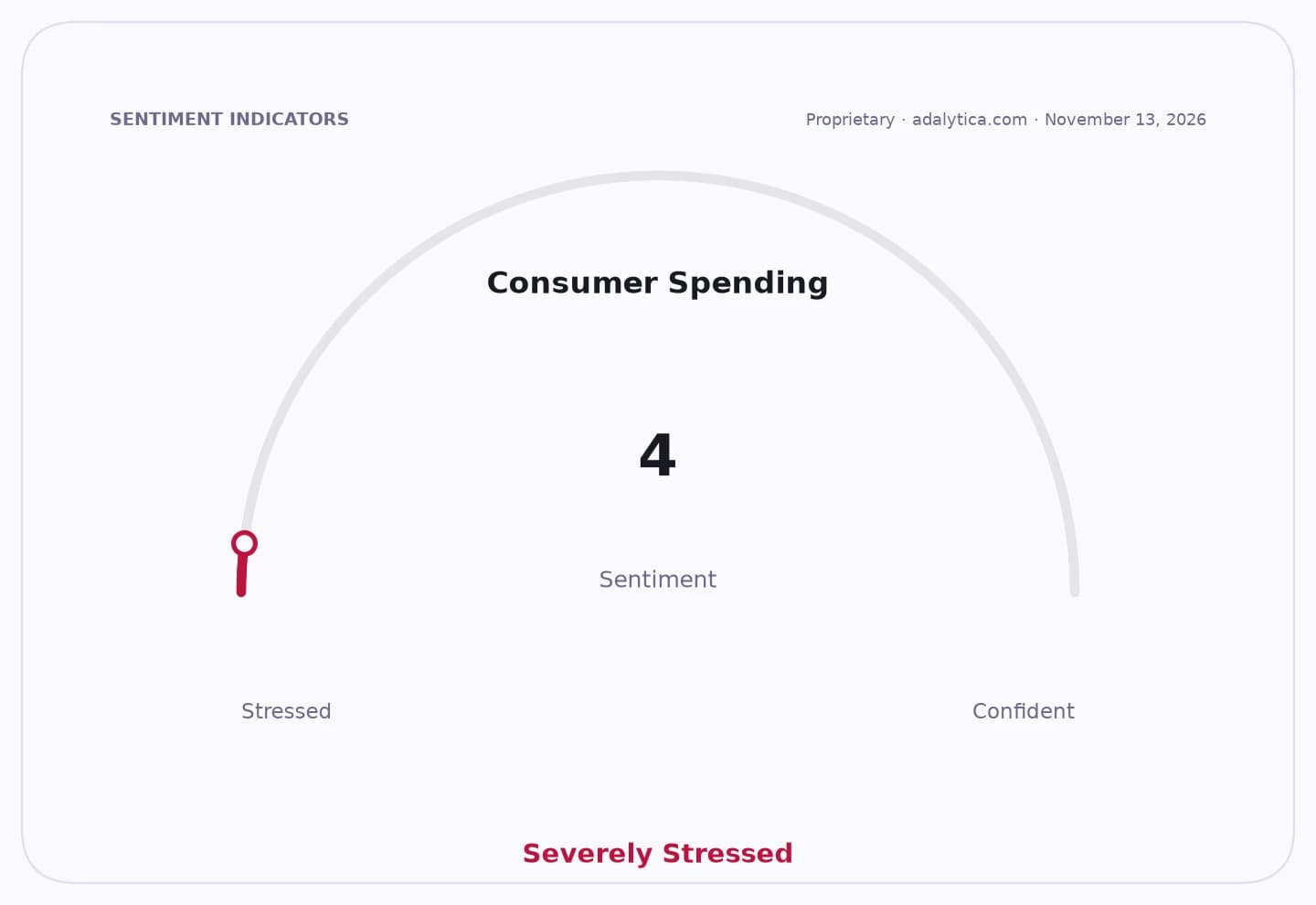
The broader macro backdrop reinforces that split. Commodity inflation has been uneven, consumer spending sentiment is deep in “extreme fear,” and food companies are still balancing input-cost relief against sluggish demand. In that environment, the winners are the processors, traders and branded consumer firms with scale and hedging flexibility. The losers are growers and exporters who need firmer prices to defend farm income.
The key takeaway: coffee looks cheaper for buyers, not safer for producers, and the next leg of value may sit not in the beans themselves but in the companies that turn volatile agricultural inputs into steady cash flow.
| Entity | Gains | Losses |
|---|---|---|
| Roasters and beverage makers | ▲Lower input costs | ▼Less pricing leverage on shelves |
| Coffee growers in Vietnam | ▲— | ▼Softer farmgate prices |
| KDP, MDLZ, consumer staples | ▲Margin relief | ▼Less upside from prior price inflation |
| Pepper farmers and traders | ▲Price stability | ▼No fresh upside catalyst |