Egypt’s government is preparing to roll out a phased wage overhaul that would lift the minimum monthly pay for state workers to 15,000 Egyptian pounds by the 2029-30 fiscal year, a move that could boost income for about 4.5 million employees but also adds pressure to public finances at a time of elevated living costs.
Egypt plans phased wage increase for state workers
The cabinet is expected to receive the final implementation plan in November, after Finance Minister Ahmed Kouchouk completes the executive proposal, according to government spokesman Mohamed Adel. The timing matters because workers across the administrative state are waiting for specifics on how much their pay will rise, when the increases will start and how the changes will be spread across grades.
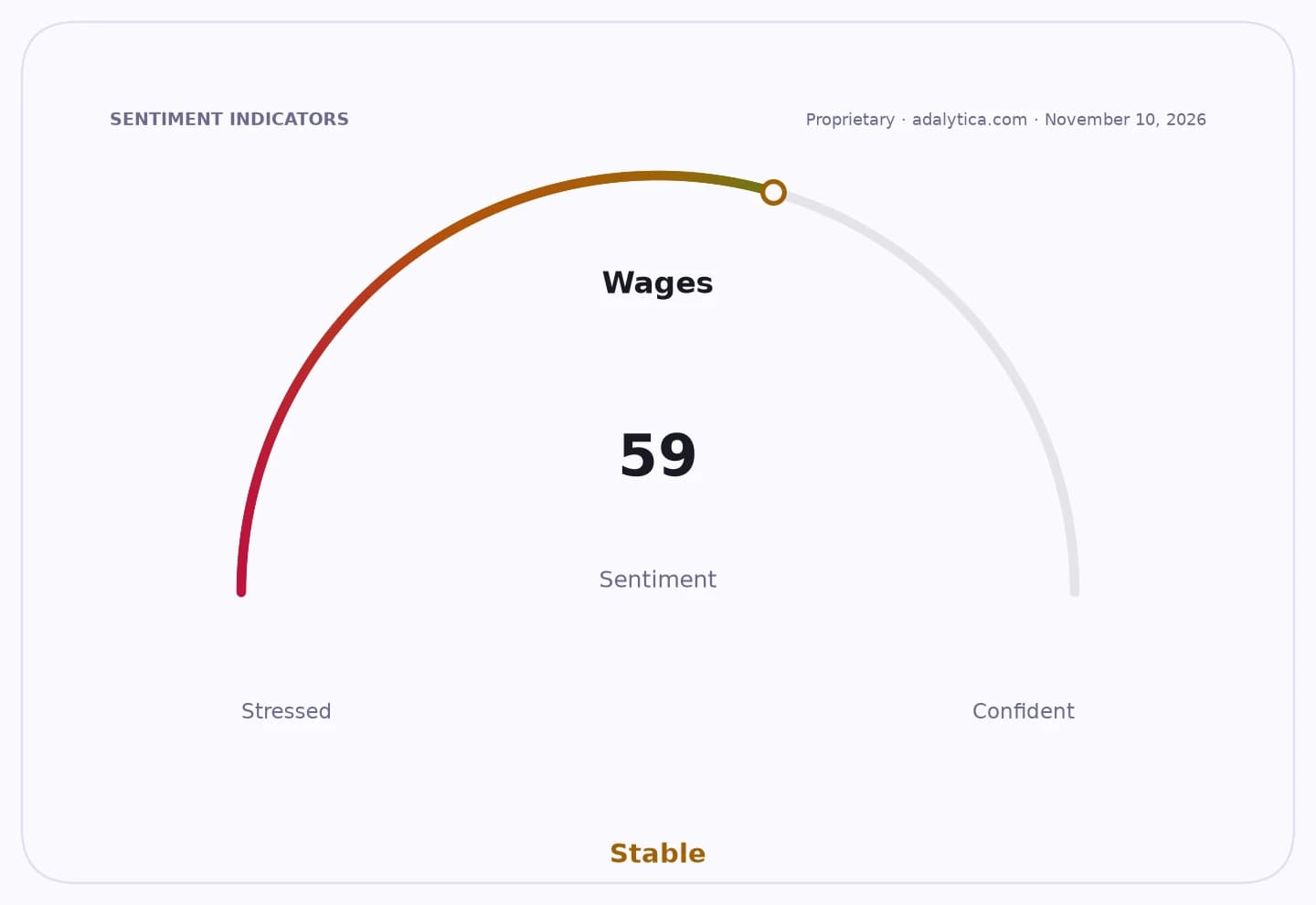
Sentiment Indicators

The plan would mark a jump from roughly 8,000 pounds now to 15,000 pounds over several stages, rather than through a single across-the-board increase. That approach gives the government more room to manage the budget impact, but it also means the size of each raise will vary by grade and job type, leaving some employees to wait longer than others for meaningful gains.
Economically, the policy is designed to cushion households against inflation and support consumption in a country where public-sector wages remain a key source of income for millions. The government is also signaling that teachers and health-care workers could see separate improvements, suggesting a broader attempt to steady morale in the state workforce.
Wages
For investors, the main question is how the higher wage bill filters through Egypt’s fiscal math. A bigger payroll can help domestic demand, but it can also complicate deficit reduction efforts and force the government to rely more heavily on borrowing or spending restraint elsewhere.
The move also lands against a backdrop of persistent pressure on purchasing power. Consumer prices remain elevated relative to historical norms, and the state has been under sustained pressure to show that reforms are translating into better take-home pay for workers, not just macro stabilization.
The government’s November presentation will be the first real test of whether the plan is politically ambitious but fiscally manageable, or whether it becomes another incremental promise that takes years to reach pay slips.
| Entity | Gains | Losses |
|---|---|---|
| Egyptian public workers | ▲Higher monthly income | ▼Delayed full benefit by grade |
| Egyptian government | ▲Labor peace, political support | ▼Bigger wage bill |
| Households/consumers | ▲Stronger spending power | ▼Still exposed to inflation |
| Fiscal authorities | ▲More controlled phased rollout | ▼Budget flexibility |