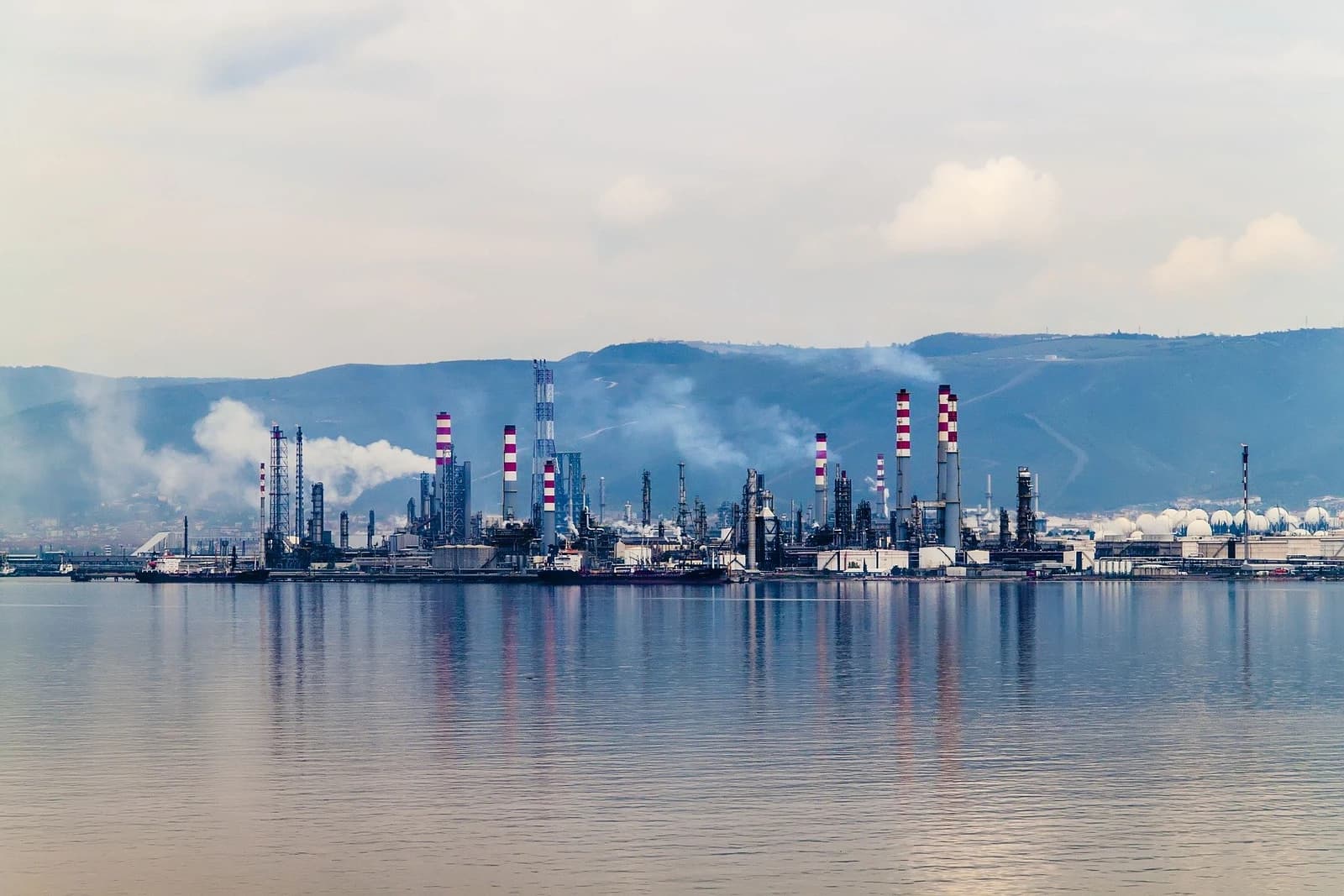
Mehmet Şimşek used Turkey’s 2027 budget presentation to defend his economic program and promise relief for households, even as lawmakers and citizens face a broader squeeze from inflation, weak growth and rising debt costs.
Turkey 2027 budget: Şimşek defends tight policy
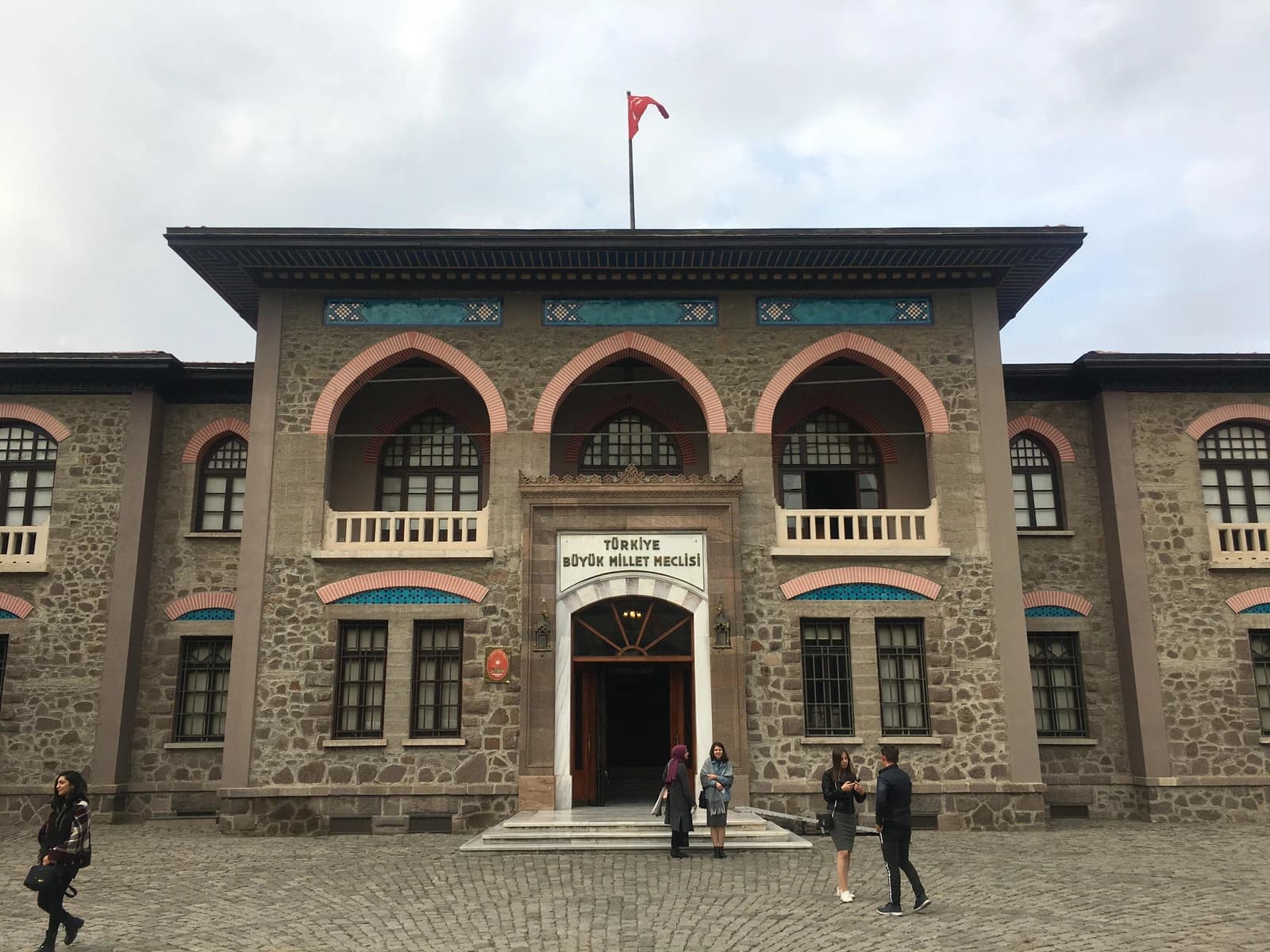
The treasury and finance minister told parliament growth will run at 3.3% this year, 0.5 percentage point below the government’s medium-term target, and argued inflation would be materially lower without geopolitical shocks and energy-price disruptions. The message was clear: the administration is sticking with tight policy, slower growth and fiscal discipline, even as living standards remain under pressure.
Sentiment Indicators
That matters because the budget debate is now as much about distribution as economics. Şimşek leaned on external risks to explain missed targets, but the opposition’s criticism is that the pain at home is being treated as an accounting issue rather than a social one. With food and basic goods still the main source of household stress, any budget that prioritizes disinflation over near-term relief will keep pressure on consumption and political support.
The minister also defended Turkey’s tax structure, saying indirect taxes will account for 59.4% of revenue in 2026, down from an estimated 60.5% without wage indexation measures. He said tax expenditures will reach about 1.5 trillion lira through the minimum wage exemption alone, or roughly one-third of total 2027 tax breaks, underscoring how much of the budget is still shaped by targeted exemptions rather than broad-based relief.
On the fiscal side, Şimşek said the state has paid 130.2 billion lira to investors in 108 collapsed funds, covering 614,874 accounts and 420,031 individuals, while insisting no budget money was used. The figure highlights the scale of losses in Turkey’s financial system and the lingering clean-up cost from mismanaged products, a reminder that confidence in local capital markets remains fragile.
The presentation also came as the cost of debt stays elevated. Turkey’s benchmark 10-year yield has been hovering around 4.8%-4.9%, reflecting sticky financing conditions, while the lira-linked market remains under strain and investors continue to price in a prolonged period of restrictive policy. For bondholders, the combination of weak growth and persistent inflation risk keeps real yields and rollover risk in focus.
For investors, the takeaway is that Ankara is signaling continuity rather than stimulus. That supports the disinflation story over time, but it also means slower domestic demand, pressure on earnings tied to consumption and construction, and little room for a near-term policy pivot unless inflation falls faster than expected.
The next catalyst is the rest of the 2027 budget debate in parliament, where spending priorities, pension support and tax policy will determine whether Şimşek’s “rosy picture” survives contact with lawmakers and a still-fragile economy.
| Entity | Gains | Losses |
|---|---|---|
| Treasury and Finance Ministry | ▲Fiscal control narrative | ▼Household demand |
| Government bondholders | ▲Higher policy credibility | ▼Growth-sensitive sectors |
| Low-income households | ▲Targeted wage exemptions | ▼Real purchasing power |
| Opposition lawmakers | ▲Political attack line | ▼Budget consensus |