Federal government spending on public servant salaries rose another 7% last year, sharpening pressure on Treasurer Jim Chalmers to slow hiring and cut costs as Canberra tries to steady a stretched budget without adding to inflation.
Australia public servant salaries rise 7%

The blowout matters because public-sector wages are one of the few spending lines the government can still move quickly. With the Reserve Bank of Australia still focused on bringing inflation back down, economists say tighter spending in the mid-year budget update would help avoid the Commonwealth working at cross purposes with monetary policy.
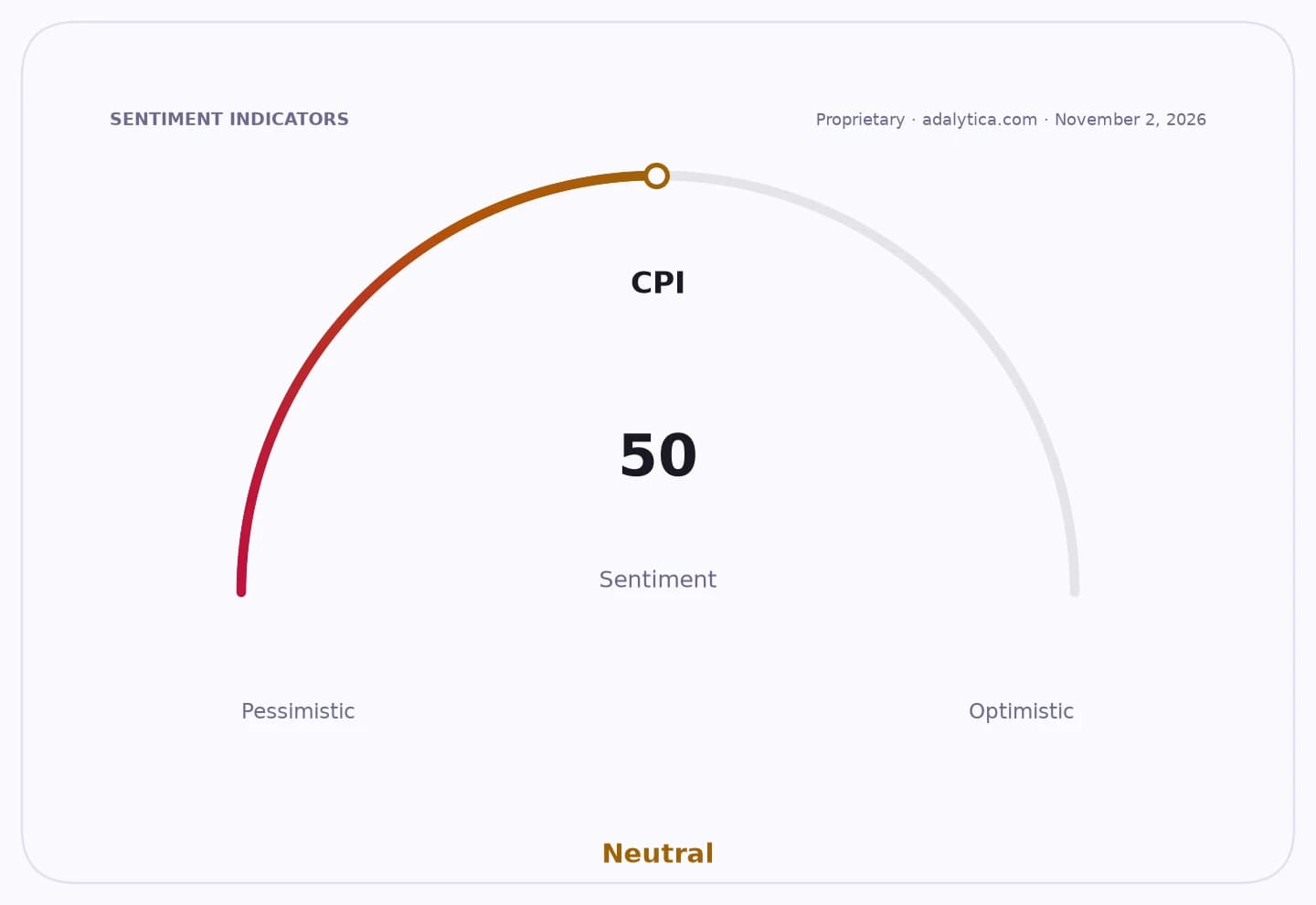
Sentiment Indicators
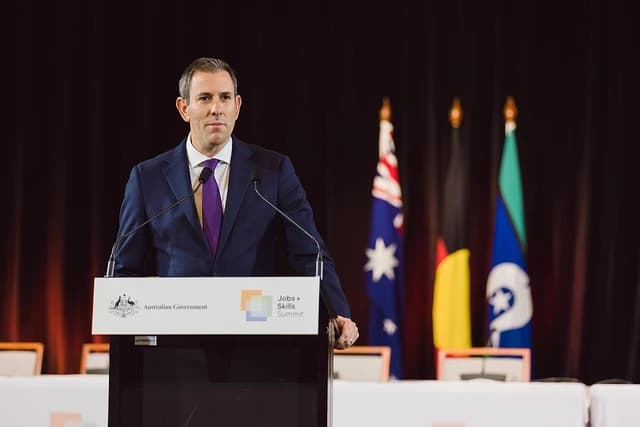
A 7% rise in salary outlays points to a public service that is still expanding or being paid materially more, even as the fiscal outlook remains tight. That makes the wage bill a politically sensitive target for Chalmers and Finance Minister Katy Gallagher, who have both talked up budget discipline while relying on the public service to deliver more services across immigration, tax, social security and climate policy.
For investors, the issue is not just one of accounting. A larger wage bill can keep pressure on the deficit, lift Commonwealth borrowing needs and complicate the inflation outlook if government demand remains too strong. It also feeds into expectations for the RBA, which is already balancing sticky prices against slowing growth.
The data strengthens the case for restraint in the coming budget update, particularly if Canberra wants to preserve room for spending on priority areas without forcing sharper cuts elsewhere. Economists have increasingly argued the public service is the obvious place to start, partly because trimming hiring is easier than reducing pensions, health or defence commitments.
The market reaction is likely to be indirect rather than immediate, but the implications are broader. If the government leans into payroll restraint, it could ease some pressure on bond yields and reinforce the case for lower inflation over time. If it does not, budget repair may proceed more slowly, leaving Chalmers with less fiscal flexibility just as growth softens and the RBA weighs when to ease policy.
The narrative now is straightforward: Canberra’s attempt to rebuild the public finances is running into the cost of running the state itself. The next update will show whether the government is prepared to slow the wage bill, or whether political and administrative demands continue to push spending higher.
| Entity | Gains | Losses |
|---|---|---|
| Commonwealth budget | ▲Slower spending growth | ▼Faster deficit repair |
| Treasury/Chalmers | ▲Fiscal credibility | ▼Room for stimulus |
| RBA | ▲Less fiscal pressure on inflation | ▼Less policy support if cuts deepen |
| Public servants | ▲Pay and headcount growth | ▼Hiring restraint |