Libya’s parliament and the Tripoli-based High Council of State have opened talks on a unified salary schedule for public employees, a move that could reshape the country’s bloated wage bill while addressing long-running pay disparities across the state sector.
Libya Parliament Discusses Unified Public Salary Schedule
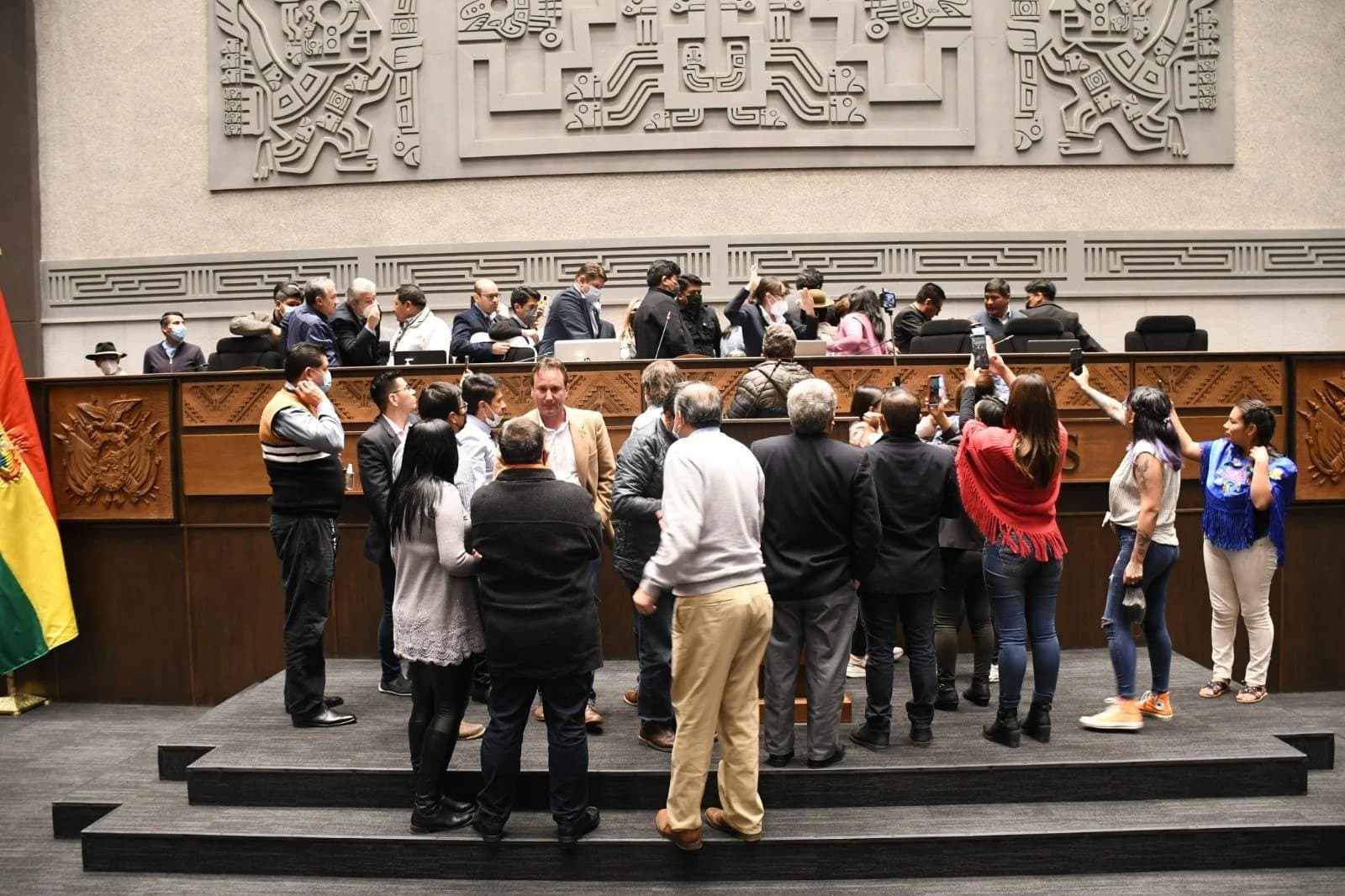
The proposal matters because public-sector wages remain one of Libya’s largest and most politically sensitive budget items. A single, rules-based salary grid could improve equity between ministries and regions, reduce arbitrary pay gaps and make government spending easier to control — if the rival institutions can agree on the terms and finance the plan without widening an already fragile fiscal imbalance.
Sentiment IndicatorsⓘProprietary · adalytica.com · October 22, 2026
This is a snapshot — live sentiment, awareness and momentum for 130+ markets update continuously in the dashboard.Open AlphaPulse
The consultative meeting brought together financial and economic committees from both chambers, along with representatives from the Audit Bureau, the finance ministry and economic experts. According to the High Council of State, participants discussed how to reform the wage system on the basis of qualifications, experience and job responsibilities, rather than the current patchwork of sector-specific arrangements.
That framing is important for investors and creditors watching Libya’s public finances because a unified pay table can cut two ways. In the bull case, it improves transparency, reinforces social fairness and supports state stability by boosting purchasing power for public workers. In the bear case, it risks becoming another unfunded entitlement if lawmakers raise wages without matching revenue, especially in an economy still dependent on oil receipts and vulnerable to political paralysis.
The meeting ended with agreement to form a joint committee from the House of Representatives and the High Council of State to refine the proposal before it is sent to the House for approval. That process underscores the real obstacle: Libya can design wage reform, but implementation depends on institutions that often compete for authority rather than coordinate policy.
For markets, the immediate significance is less about the salary schedule itself than about whether it signals a modest step toward budget normalization. A credible wage reform would help the state better allocate spending and could ease pressures on the central bank and public finances over time. Failure to translate the talks into a funded, enforceable framework would deepen the risk that the plan becomes another political statement rather than a fiscal reform.
| Entity | Gains | Losses |
|---|---|---|
| State employees | ▲Higher pay equity | ▼Legacy wage gaps |
| Government finances | ▲Better spending control | ▼Higher fiscal burden |
| Parliament and High Council of State | ▲Political credibility | ▼Policy deadlock risk |
| Taxpayers/state budget | ▲More transparent payroll | ▼Unfunded wage increases |