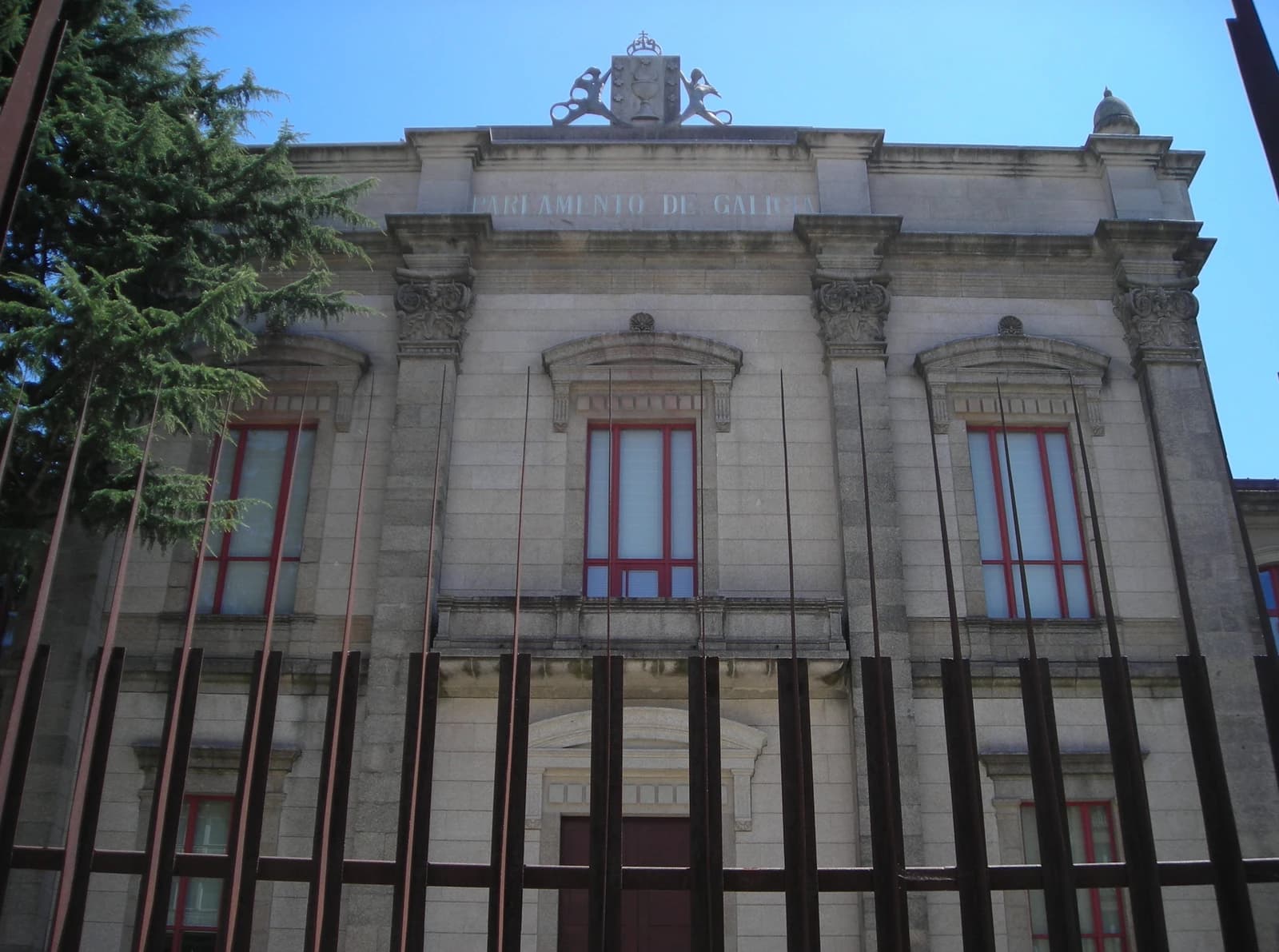
Galicia’s planned personal income tax cuts have become a political fight over who should benefit from an inflation-hit economy, with the BNG arguing the Xunta’s 2027 budget gives too little relief to ordinary households and too much to higher earners.
Galicia tax cuts spark budget fight over relief
That matters because tax policy is not just an ideological talking point in Spain’s regions — it shapes disposable income, consumer spending and the distribution of fiscal support at a time when inflation is still eating into wages and social benefits. If the BNG is right, the proposed relief would do little for families under pressure, while leaving the region’s budget structure tilted toward wealthier households and asset holders.
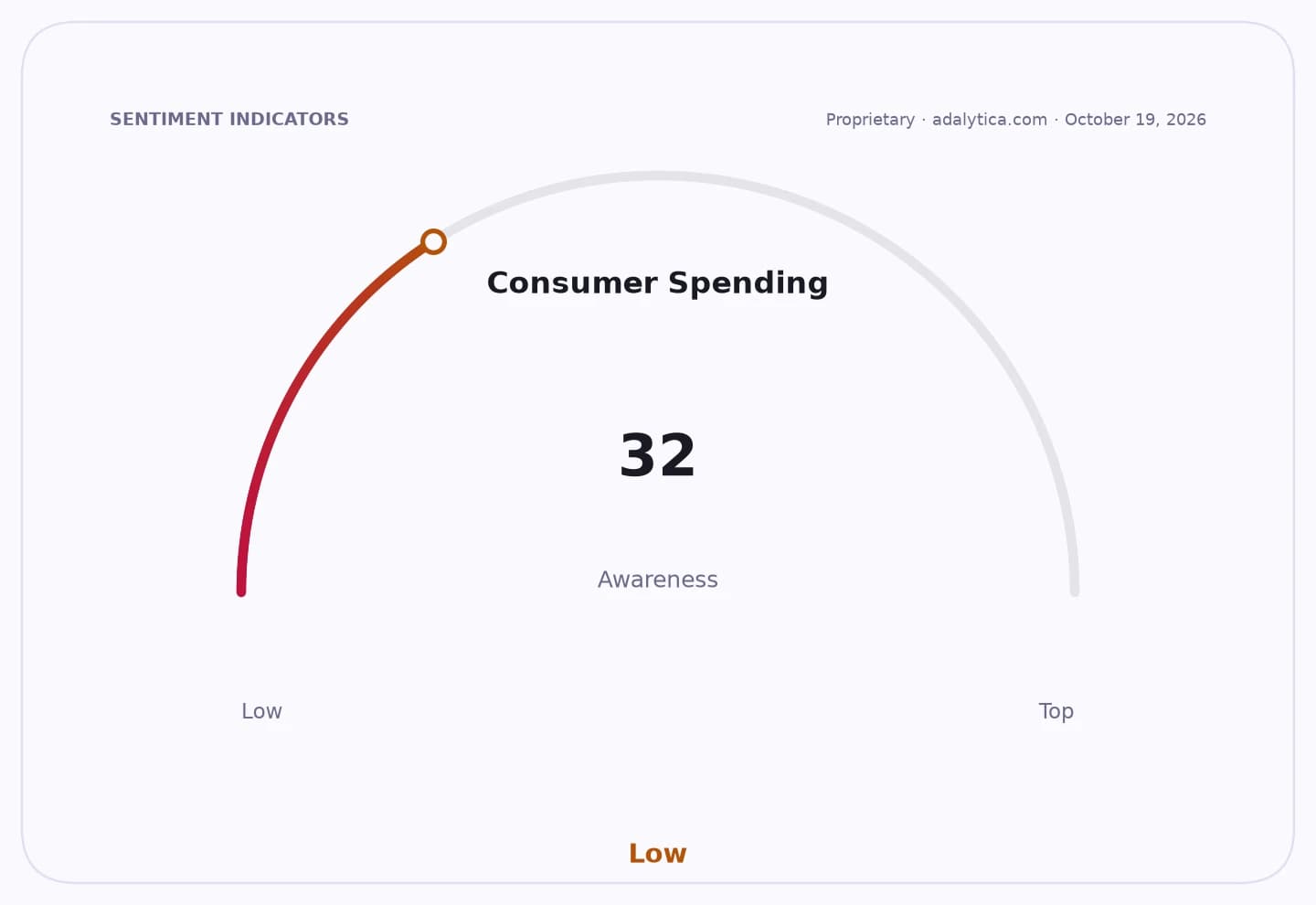
Sentiment IndicatorsⓘProprietary · adalytica.com · October 22, 2026
This is a snapshot — live sentiment, awareness and momentum for 130+ markets update continuously in the dashboard.Open AlphaPulse

The nationalist party’s tax spokesperson, Noa Presas, said the reduction in the first four IRPF brackets amounted to a “ridiculous” 0.25% cut that would be absorbed by inflation. She said many low-income residents do not even file income tax returns, making broad rate cuts a blunt instrument for helping those most exposed to price pressure.
Presas also pointed to what the BNG sees as a widening gap in Galicia’s tax burden. She said the average IRPF bill rose from 6,000 euros to 6,741 euros in a year, a jump of 12.4%, and argued that the region is moving toward a more unequal model. The party is preparing amendments to the budget that would seek a more progressive system, with lower taxes for those earning less and higher contributions from those earning more.
The dispute matters for investors and businesses because it speaks to the wider policy environment in Spain’s autonomous communities, where regional tax competition can affect consumption, investment incentives and the cost of doing business. Galicia’s government, led by the PP, is trying to present itself as pro-growth and tax-friendly. The BNG is trying to frame the same policy as regressive and insufficiently responsive to the cost-of-living squeeze.
The stakes are higher because Galicia is also weighing how to fund relief measures for food, housing and support for the primary sector. The BNG wants a dedicated extraordinary fund to cushion the price crisis, while also pushing for reforms to property, inheritance and wealth-related taxes. It says the current system preserves privileges for high-income households and large estates, including a 50% discount on the wealth tax and broad exemptions on inheritances.
For long-term investors, the key question is not whether this budget fight will move markets tomorrow, but whether it signals a region that is prepared to lean harder on redistribution or stay focused on tax competitiveness. Either path has consequences. A more progressive system could support lower-income consumption and social stability, while a lighter tax load for wealthier residents may appeal to capital formation and high earners. The eventual compromise will show which priority Galicia’s policymakers value more.
| Entity | Gains | Losses |
|---|---|---|
| Low- and middle-income households | ▲More targeted relief | ▼Broad tax cuts with little impact |
| High earners and wealthy households | ▲Preservation of tax advantages | ▼Higher progressive taxation |
| Xunta / PPdeG | ▲Pro-business tax image | ▼Political pressure over inequality |
| BNG and opposition left | ▲Stronger redistribution narrative | ▼Less influence if budget passes unchanged |