Spain’s parliament rejected a proposal to cap the tax allowance on retirement pensions, a sign that the government’s attempts to tighten the budget through pension and personal income tax changes are running into political resistance just as the country’s fiscal arithmetic gets harder to manage.
Spain parliament rejects pension tax allowance cap

The vote matters because pensions are one of Spain’s biggest structural spending lines, and any move to limit tax relief on retirement income was meant to help close the deficit gap. The proposal was expected to raise about 1.4 billion euros, a meaningful sum in budget terms, but lawmakers voted it down 116 to 30, underscoring how difficult it will be for any administration to rein in spending or broaden the tax base without triggering backlash from a large and politically active voter bloc.
For investors, the message is that Spain’s policy mix is getting less predictable, not more disciplined. Pensioners are a powerful constituency, and the rejection shows that future efforts to extract revenue through retirement income, personal income tax, or broader pension reform may face the same resistance. That raises the risk of slower fiscal consolidation, which can matter for sovereign spreads, domestic rate expectations, and the valuation of Spanish assets relative to other euro zone peers.
The timing is especially important because pension increases remain legally mandated, regardless of the election outcome, while discussion continues over raising the retirement age and adjusting tax reliefs. In other words, spending is sticky while revenue measures are politically fragile. That combination leaves Spain caught between higher social commitments and limited fiscal room, a dynamic markets tend to price only after it has already become a problem.
The clearest investable implication is that the market should keep a close eye on Spain’s fiscal credibility, not just its growth story. If pension reform stalls and tax measures keep getting watered down, the burden shifts back toward deficits and debt dynamics. That can support a cautious stance on Spanish duration, favor relative-value trades over outright bets on domestic policy relief, and keep investors looking for beneficiaries outside the most policy-sensitive segments.
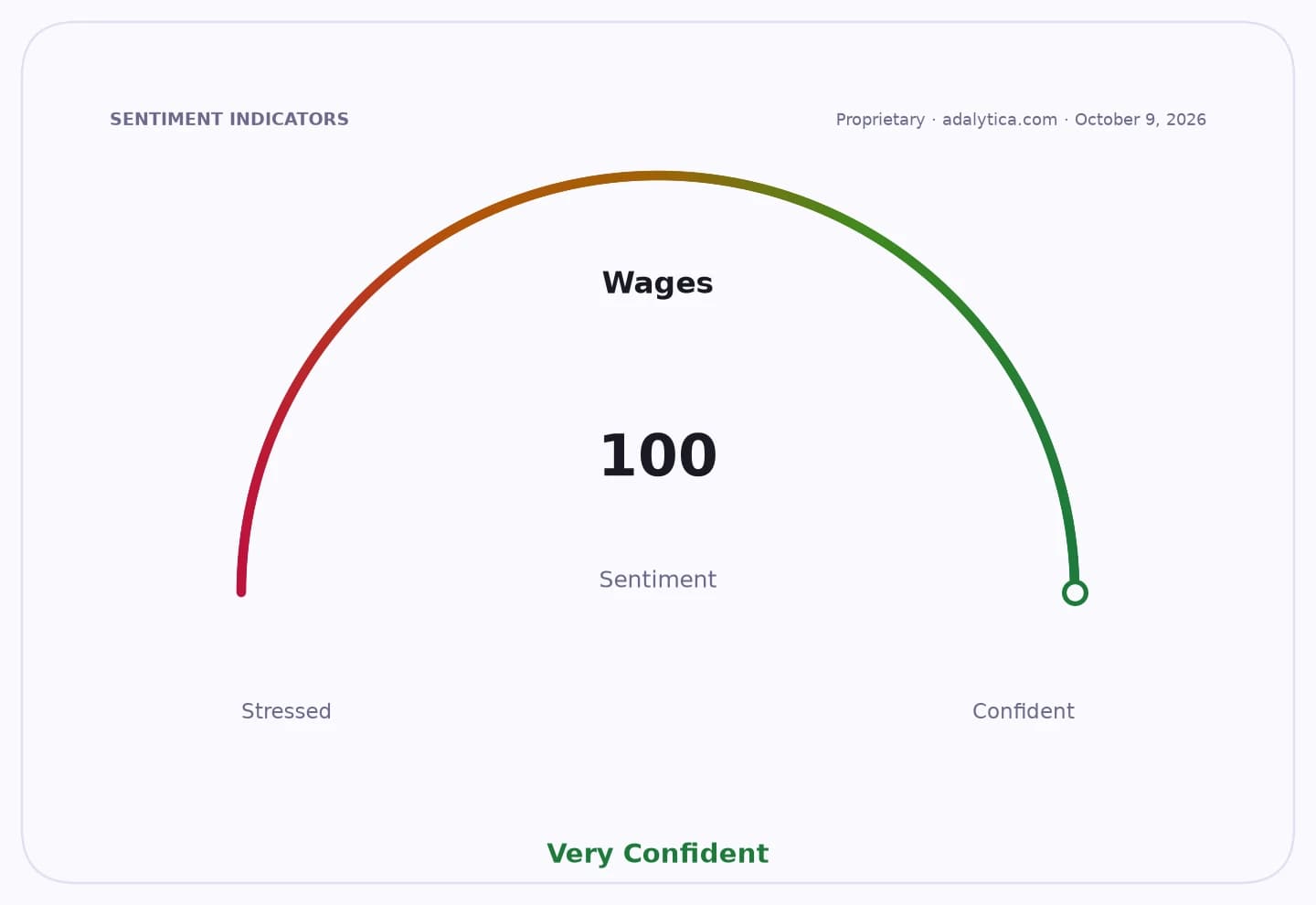
Adalytica’s proprietary sentiment reading on the story is mildly negative, but the more important point is that the political center of gravity is moving toward obstruction, not compromise. Until Madrid finds a way to pair pension protection with credible revenue raising, Spain’s fiscal debate will remain a recurring market risk rather than a resolved policy question.
| Entity | Gains | Losses |
|---|---|---|
| Pensioners | ▲Preserve tax relief | ▼Face future tax risk |
| Spanish government | ▲Avoids immediate backlash | ▼Loses revenue plan |
| Spanish sovereign bonds | ▲Short-term stability | ▼Fiscal credibility risk |
| Domestic taxpayers | ▲Keep current allowances | ▼Broader deficit burden |