Egypt’s Real Estate Tax Authority is sharpening its rules on who must file property tax returns, saying social housing units are included and garages are taxed only when they serve a specific, private use.
Egypt property tax rules cover social housing, garages
The clarification matters because it removes ambiguity for a large pool of owners and users at a time when the authority is widening enforcement, dividing the country into assessment zones and pushing forward with market-value-based valuations. For landlords, occupants and housing developers, the message is that compliance obligations now attach to each usable unit, not to a building as a whole.
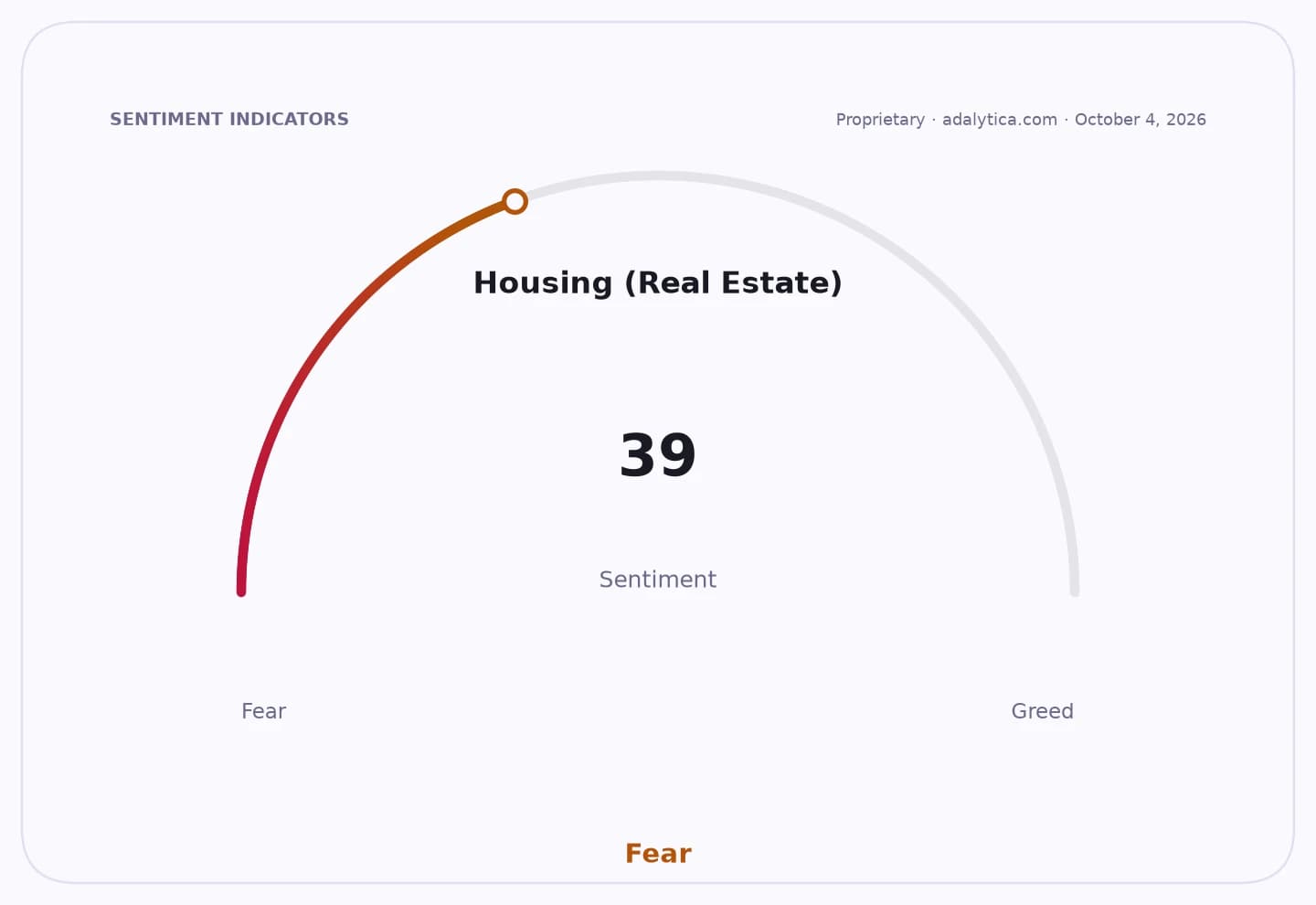
Sentiment IndicatorsⓘProprietary · adalytica.com · October 4, 2026
This is a snapshot — live sentiment, awareness and momentum for 130+ markets update continuously in the dashboard.Open AlphaPulse
Deputy head Mohamed El-Sayed said the tax return is required once a unit is fit for use and that the obligation falls on either the owner or the beneficiary. He said social housing units are also subject to filing, while garages used to serve all residents of a building are exempt.
The distinction on garages is likely to matter for mixed-use and multi-unit residential properties, where shared facilities are common and tax treatment can affect net operating costs. It also reinforces a broader shift toward unit-by-unit assessment, which can raise compliance burdens but may improve collection and reduce disputes over valuation.
Authorities said Upper and Lower Egypt have the highest rates of property tax return submissions, suggesting filing progress is uneven and that enforcement may need to deepen beyond the main population centers. The agency is also working with specialized committees to set geographic zones and assess market values, a step that could eventually make the tax base more consistent and harder to underreport.
For investors in real estate-linked assets, clearer filing rules point to a tax regime that is becoming more structured and more intrusive, even if the immediate financial impact is limited. In markets such as U.S. apartment REITs, property taxes are a key operating expense, and any move by governments to modernize assessment or broaden compliance is typically watched for its effect on margins, rent-setting power and cap rates.
The next catalyst will be how aggressively the authority applies the new valuation framework and whether the filing push translates into higher effective collections from owners of social housing and ancillary facilities such as garages.
| Entity | Gains | Losses |
|---|---|---|
| Egyptian tax authority | ▲Better compliance, broader tax base | ▼Less ambiguity |
| Property owners/users | ▲Clearer filing rules | ▼Higher reporting burden |
| Social housing holders | ▲Defined treatment | ▼Tax filing obligations |
| Shared garage users | ▲Potential exemption | ▼Private garage taxation |