Tomato prices in Egypt could rise to 40 pounds a kilo in October as growers cut planting area and extreme heat dents output, a warning that points to another hit for household food budgets in one of the country’s most widely consumed staples.
Egypt tomato prices may reach 40 pounds in October
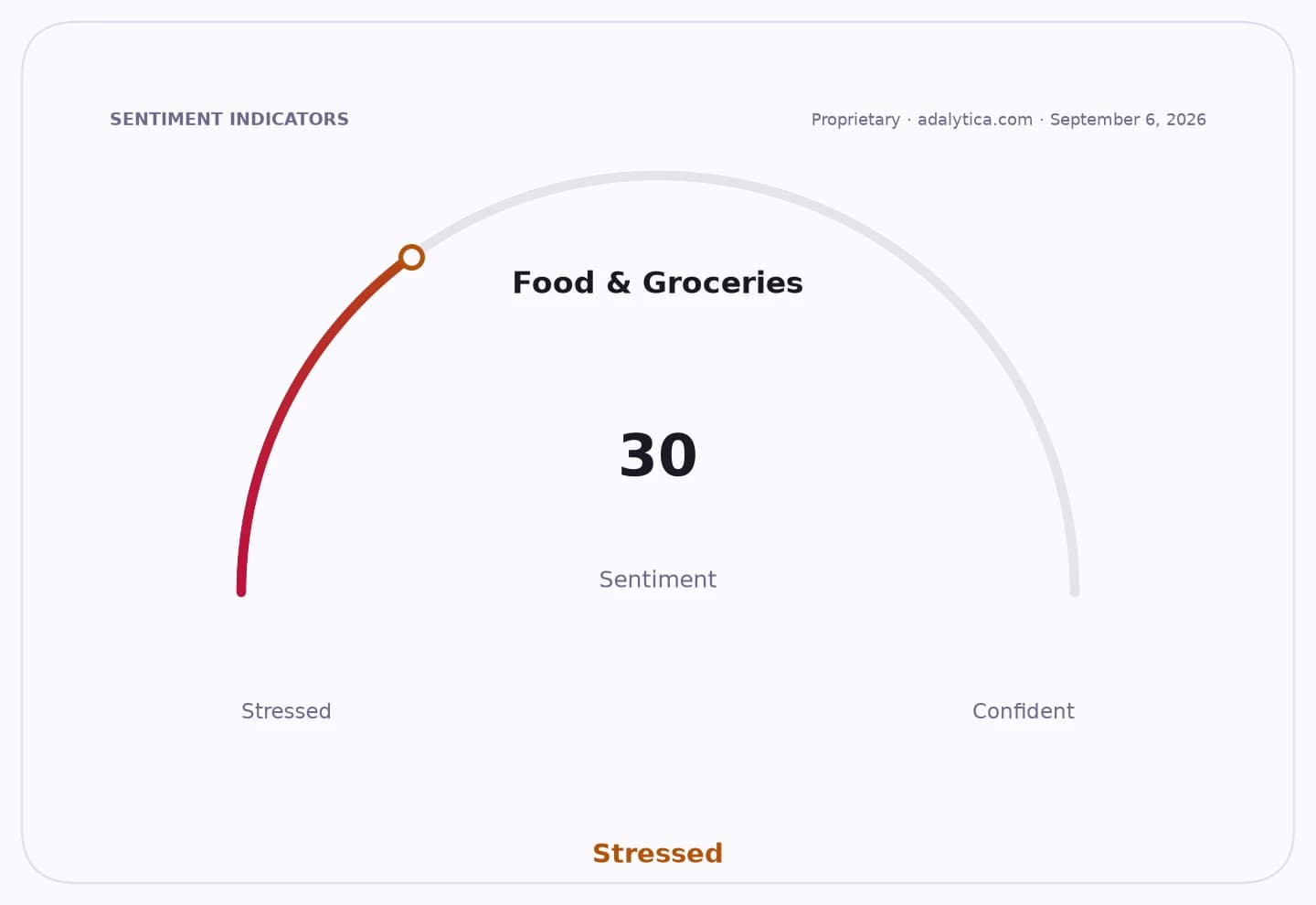
The alert from Hussein Abu Saddam, head of the Egyptian Farmers Syndicate, matters because tomatoes are a core kitchen item and their swings quickly feed into daily inflation sentiment. He said some good-quality tomatoes are already fetching as much as 32 pounds a kilo in parts of the market, while weaker demand or cheaper batches can mask the tighter supply picture.

The supply squeeze is being driven by a smaller-than-usual crop area after farmers lost money in previous seasons and pulled back from planting, Abu Saddam said. He put the cost of growing a feddan of tomatoes at about 150,000 Egyptian pounds, underscoring the pressure on producers facing thin margins and volatile returns.
Weather is adding to the strain. Abu Saddam said higher temperatures during flowering and fruit set in June and July hurt pollination, reduced yields and shortened the life of the summer crop, while tomato pests further cut output. That combination has left the current cycle among the weakest in terms of planted area.
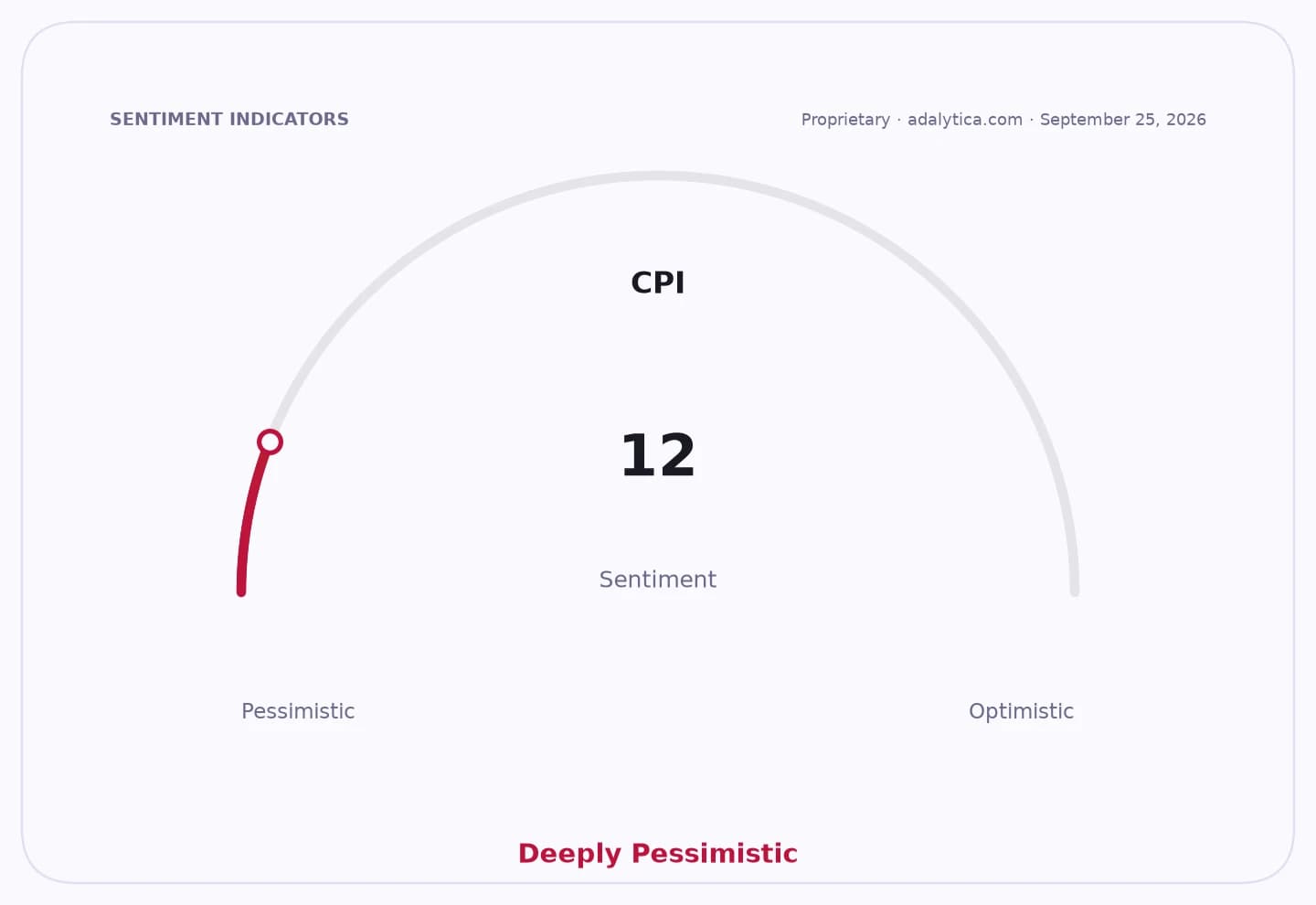
For consumers, the risk is not just a higher sticker price but broader food inflation at a time when Egyptian households are still sensitive to fresh-produce swings. For traders and grocers, the warning suggests volatility will remain high into October, with quality, region and timing likely to keep prices uneven.
The next test is whether incoming supply can offset the crop losses and whether cooler weather eases pressure on yields. Until then, tomatoes remain one of Egypt’s most unstable food prices, and any further climb would reinforce the strain on spending power across the market.
| Entity | Gains | Losses |
|---|---|---|
| Farmers with remaining crop | ▲Higher selling prices | ▼Lower output volumes |
| Egyptian households | ▲— | ▼Higher food bills |
| Retailers/grocers | ▲Higher turnover value | ▼More price volatility |
| Importers/alternative suppliers | ▲Potential demand boost | ▼— |