Egypt and Turkey are moving to turn a thaw in relations into a larger economic partnership, with both sides discussing a goal to lift bilateral trade to $15 billion by 2028 from current levels that still fall well short of that mark.
Egypt and Turkey Discuss $15 Billion Trade Target
That matters because the trade target is not just a diplomatic talking point. It signals a stronger flow of goods, investment and industrial cooperation between two of the eastern Mediterranean’s biggest economies at a time when supply chains are being redrawn and regional alliances are becoming more transactional. For investors, that can translate into more orders for exporters, more cross-border manufacturing, and a steadier backdrop for sectors tied to trade, logistics, construction, tourism and energy.
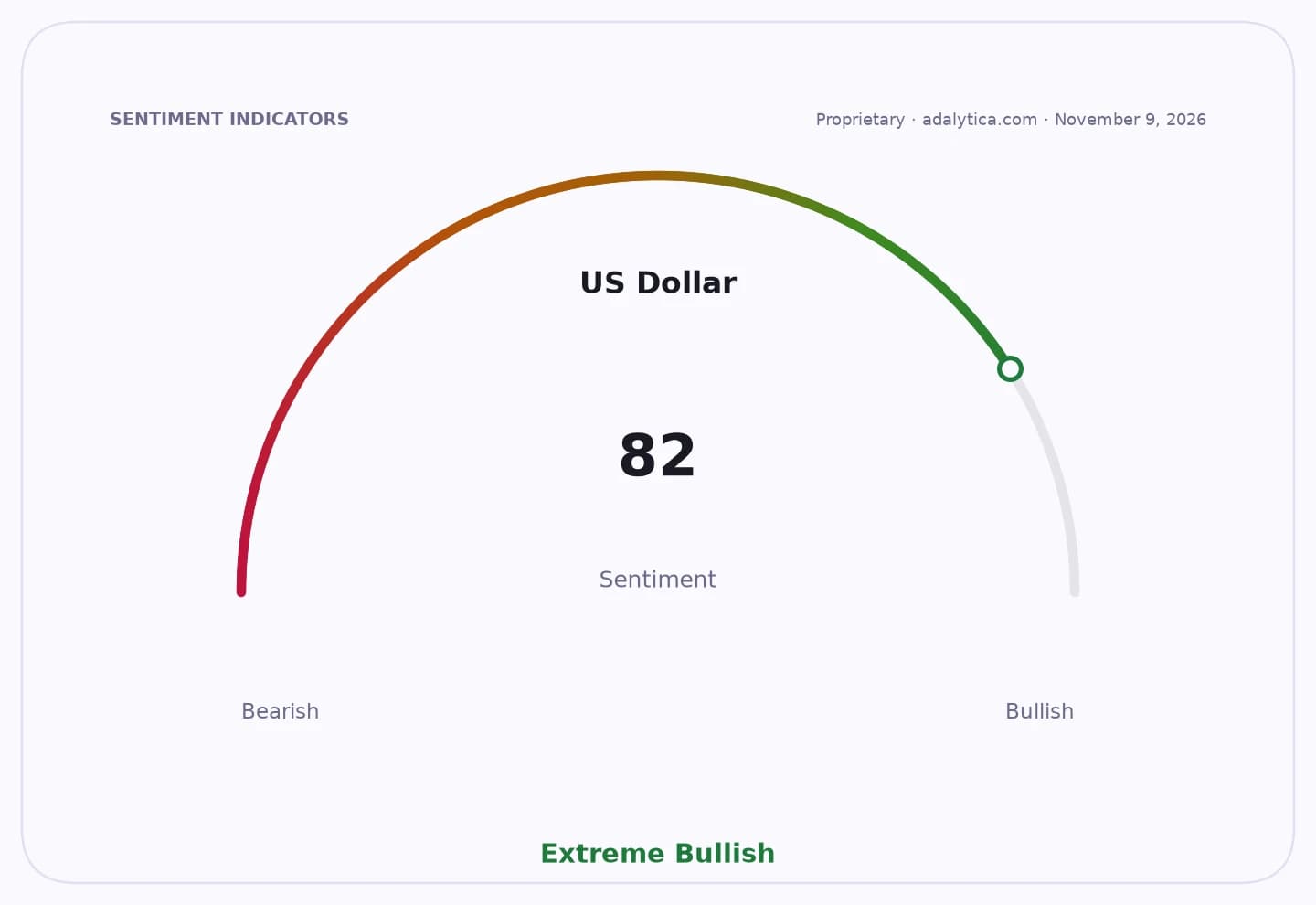
Sentiment Indicators
The push comes as Egyptian investment and trade officials held talks in Istanbul with Turkey’s trade minister and joined a roundtable with about 40 major Turkish companies operating in Egypt. That is the kind of corporate follow-through that gives a trade target credibility. It suggests the relationship is moving beyond headline diplomacy toward execution, with companies already on the ground looking for ways to expand production, localize supply chains and use Egypt as a gateway to Africa and the Middle East.
Egypt has been working to attract foreign capital and defend its foreign-exchange position, while Turkey is looking for new outlets for manufacturing capacity and export growth. A bigger bilateral trade lane helps both. For Cairo, more Turkish investment can support industrial output and jobs while deepening non-energy exports. For Ankara, Egypt offers a large consumer market, lower-cost production options and a strategic route into regional markets.
The timing also matters geopolitically. Egypt has been trying to strengthen its regional role through energy, logistics and industrial ties, while Turkey has been repairing relations with several neighbors after years of friction. A more durable economic relationship between the two could ease tensions in the eastern Mediterranean and give both governments more room to maneuver on maritime, energy and security issues. That is especially relevant as countries in the region compete for investment in ports, gas infrastructure and transit routes.
For investors, the opportunity is in the second-order effects. Turkish industrial groups with existing Egyptian footprints could be early winners if trade barriers fall and customs cooperation improves. Egyptian exporters in food, textiles, fertilizers and building materials could also benefit if Turkey becomes a larger market and a manufacturing partner. On the other side, logistics, ports, shipping and industrial real estate could see a lift if more production shifts across the border via joint ventures and supplier networks.
The broader message is that the market may be underestimating how quickly political normalization in the region can become investable economic activity. A $15 billion trade target by 2028 is ambitious, but if the talks translate into business deals, it could mark the start of a much larger reallocation of capital between Egypt and Turkey. That is why this is more than diplomacy: it is a setup for a multi-year trade and investment cycle that traders and long-term investors should watch closely.
| Entity | Gains | Losses |
|---|---|---|
| Egypt exporters | ▲Bigger Turkish market | ▼Slower trade diversification |
| Turkish manufacturers | ▲New production and sales channels | ▼Higher friction if talks stall |
| Ports, logistics and shipping | ▲More cross-border flow | ▼Idle capacity without expansion |
| Rivals in the region | ▲— | ▼Loss of trade share and influence |