Egypt is turning regional instability into a logistics advantage, with transport minister Kamel el-Wazir saying cargo and passenger flows are rising along the shipping links between Egypt, Saudi Arabia and Jordan as geopolitical shocks push traders toward alternative routes.
Egypt Ports Gain From Red Sea Trade Rerouting
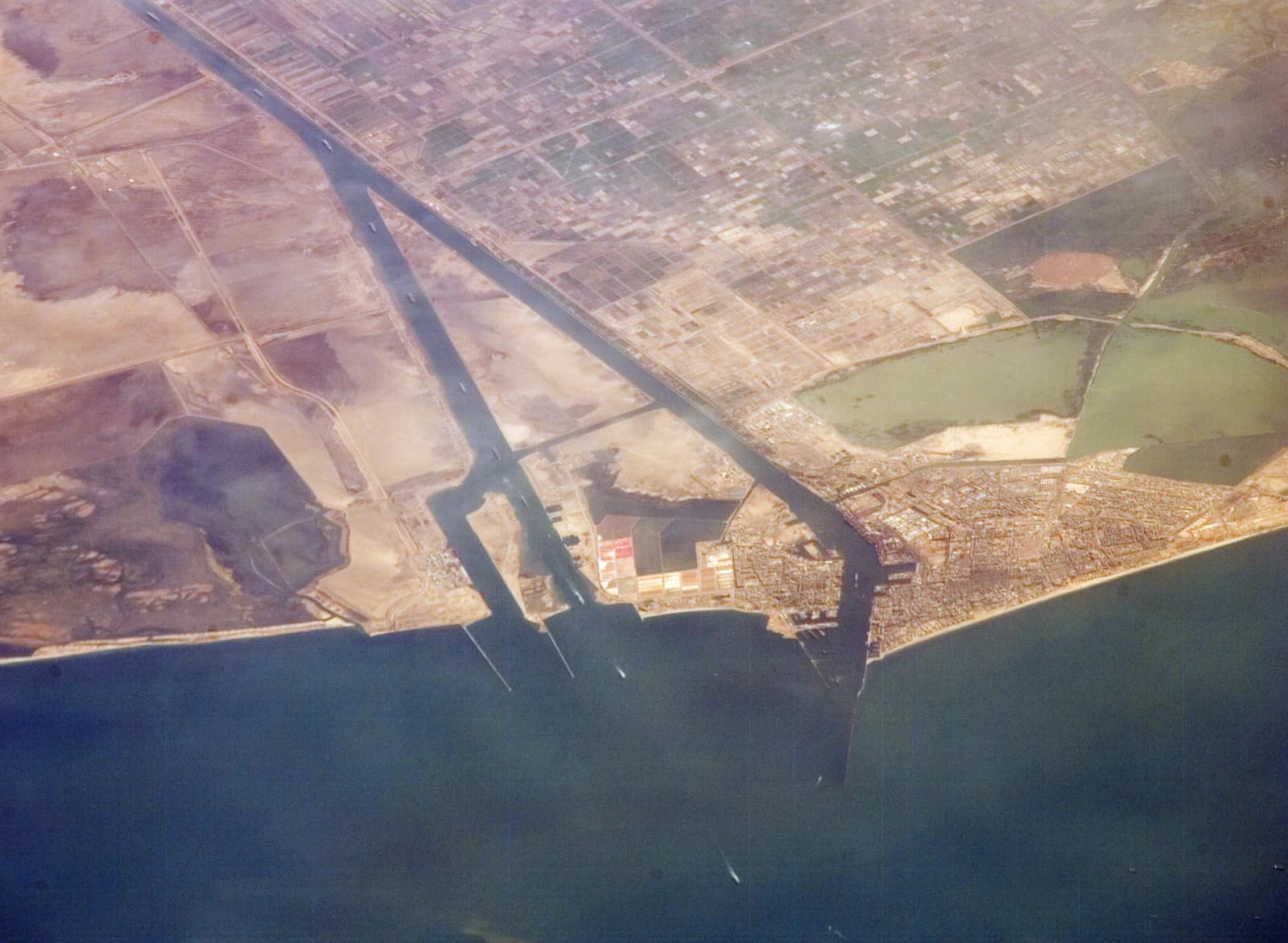
That matters because the Red Sea and Gulf corridor has become more than a transit lane; it is now a pressure valve for trade between Europe, the Arabian Peninsula and, increasingly, Africa. As rerouting away from riskier passages becomes a structural feature rather than a temporary detour, Egypt is positioning its ports and overland links as a higher-value toll road for regional commerce.
Sentiment Indicators
The economic logic is straightforward. Egypt says the new multi-modal system can receive cargo from Europe at Alexandria, move it overland to Red Sea ports, then reload it by sea to Saudi Arabia. That gives shippers a way to preserve trade flow even as regional tensions complicate navigation and insurance, while also deepening Egypt’s role as a hub linking European and Gulf markets.
The government is backing that pitch with hard infrastructure. Cairo says it has spent more than 129 billion Egyptian pounds over the past decade to expand ports, adding more than 70 kilometers of berths with depths of 18 to 25 meters. It is targeting annual port capacity of 400 million tons, 40 million container units and 10 million transit containers, a scale that would make the country a far more important node in Mediterranean-Red Sea trade.
For investors, the opportunity sits not just in headline throughput, but in the second-order beneficiaries of a sustained rerouting cycle: port operators, logistics contractors, shipping-linked service providers and firms tied to Red Sea handling and customs processing. Egypt’s plan to launch new shipping lines to East Africa, and a separate 50 million-pound company to manage specialized cargo services, reinforces the view that the state is building an integrated logistics platform rather than simply expanding berths.
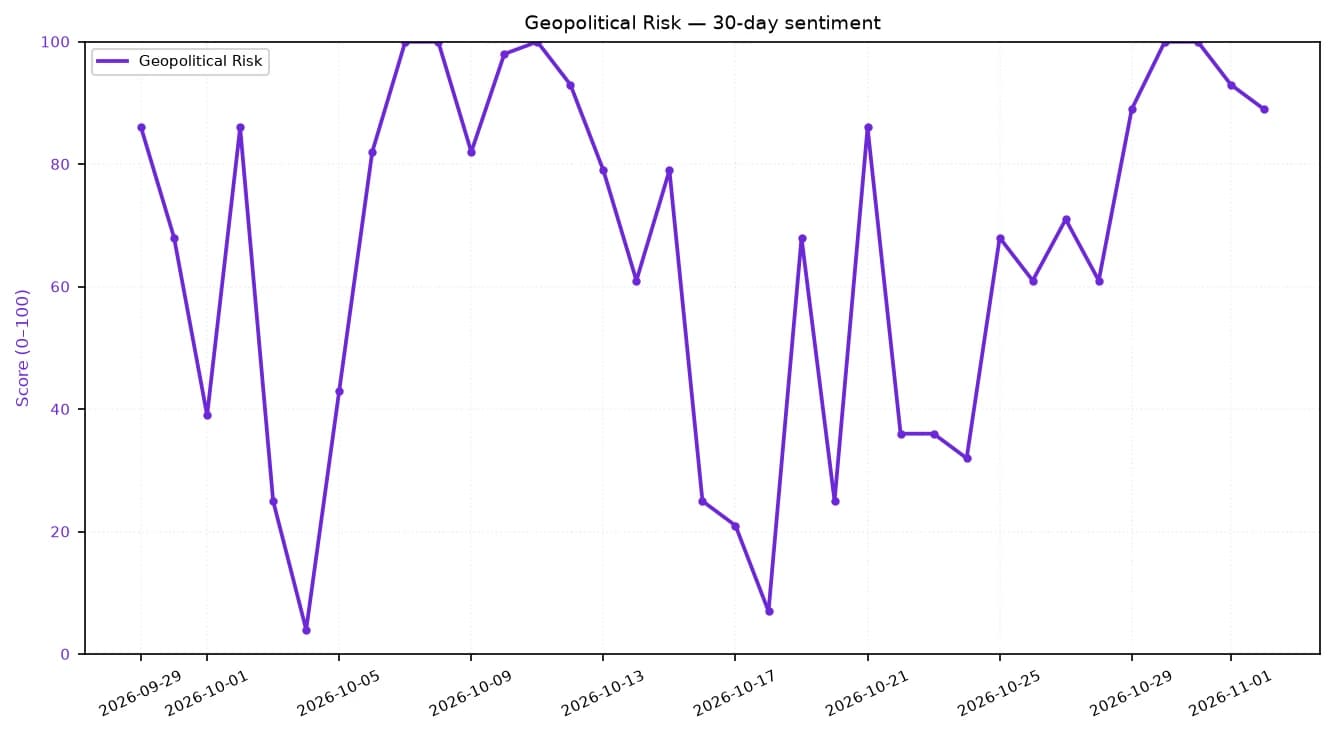
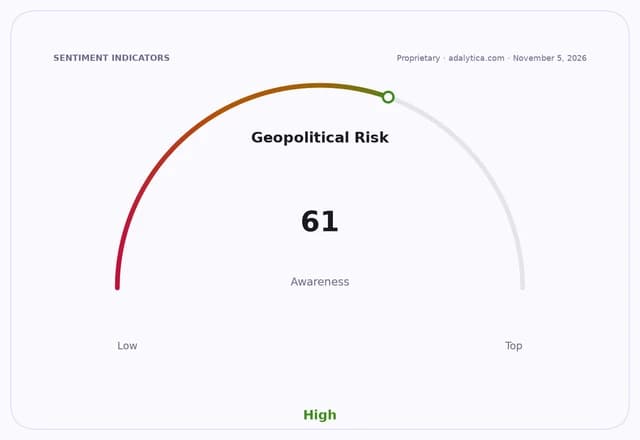
The market backdrop also matters. Geopolitical risk remains elevated, but the move in trade routes suggests money is flowing toward assets that can benefit from disruption instead of being hurt by it. That includes Egyptian port infrastructure and, by extension, regional shippers with exposure to Red Sea volumes. The broader thesis is that instability is not merely a shock to trade; it is creating a durable re-pricing of logistics networks across the eastern Mediterranean and the Red Sea.
If that rerouting persists, Egypt’s ports could capture more transit traffic, more service revenue and more strategic relevance at a time when global supply chains are being redesigned around resilience. For investors, the message is clear: this is not just a geopolitical story, it is an infrastructure and trade-rotation theme, and the early winners are likely to be the operators with the deepest berth capacity and the broadest regional reach.
| Entity | Gains | Losses |
|---|---|---|
| Egyptian ports | ▲Higher transit volumes | ▼Idle capacity risk falls |
| Saudi importers/exporters | ▲More reliable trade routes | ▼Higher logistics dependence on Egypt |
| Shipping and logistics firms | ▲More rerouting demand | ▼Margin pressure from volatility |
| Competing regional corridors | ▲Less traffic concentration | ▼Lost share to Red Sea routes |