Benghazi’s free-zone port of Galiana is turning into one of Libya’s most important trade choke points, and the most investable part of that story is not the headline traffic count but the direct China route that could anchor a durable flow of imports, re-exports and logistics revenue.
Libya's Galiana Port Gains Direct China Shipping Link
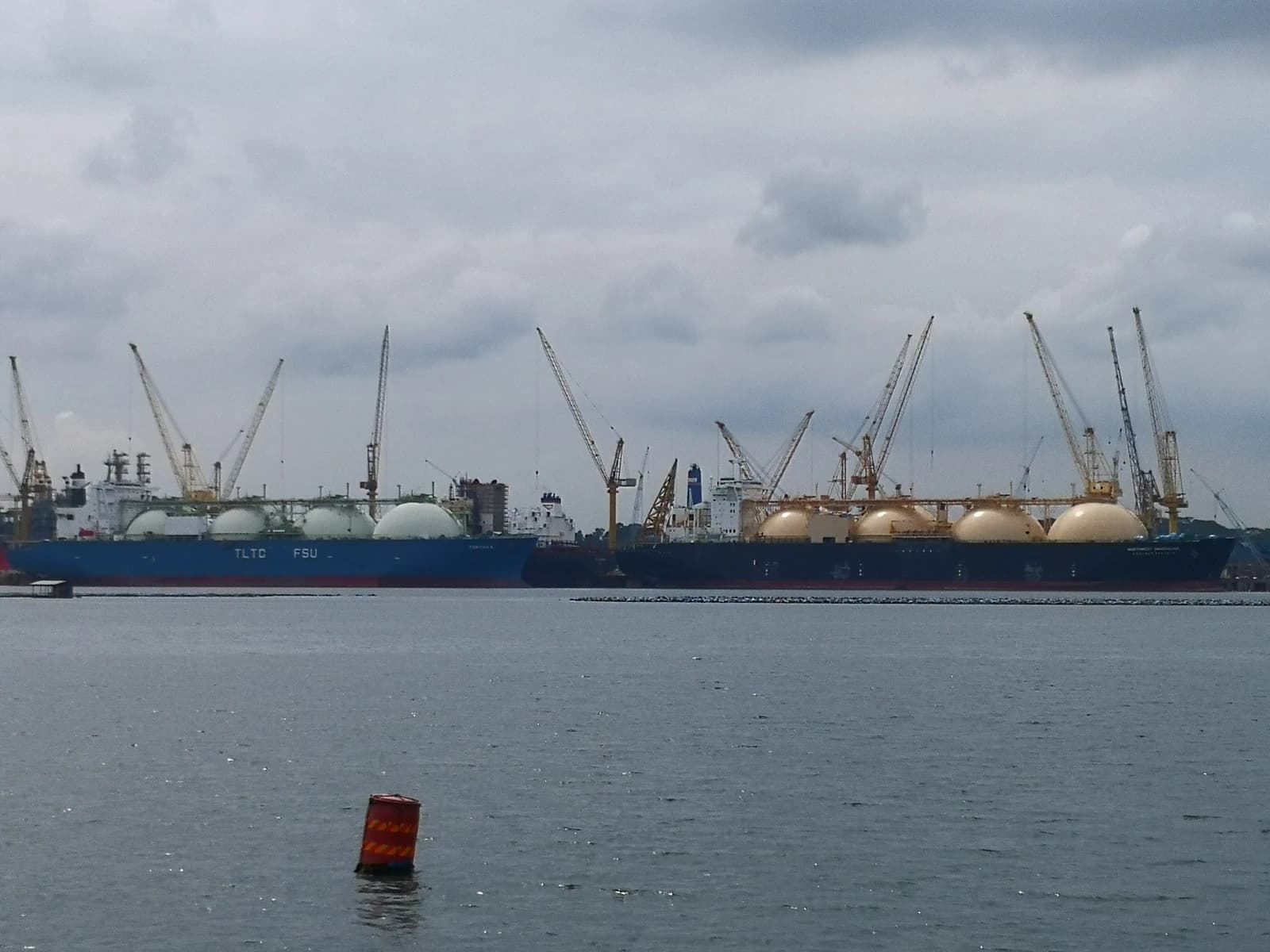
For investors watching North Africa and the Mediterranean, this matters because ports do not just handle cargo — they set the pace of working-capital demand, storage income, bunkering, trucking and downstream industrial activity. Galiana received 80 commercial ships in a single month, including 37 container vessels and 15 fuel tankers, while also handling cement, grain, cars and passenger traffic. That mix suggests a port moving beyond basic import dependence into a broader logistics platform with multiple fee streams.
Sentiment Indicators
The China connection is the real catalyst. Four commercial vessels arrived from China for World Seas Agency as part of a new direct line linking East Asia to Galiana without an intermediary, initially at two voyages a month with plans to expand to four. That cuts transit frictions, lowers landed costs and gives Libya a stronger role in regional transshipment. In a market where every day shaved off a supply chain can improve margins, direct routing is a competitive advantage, not a footnote.
The broader macro backdrop reinforces the opportunity. Galiana says it handled 816 incoming commercial ships in 2025, the highest level in years, as traffic recovered from the post-2020 period. That is important because sustained throughput is what justifies capital spending on warehousing, storage yards, cranes, fuel services and grain silos. The planned silos inside the port also tie the site more directly to Libya’s food-security priorities, making Galiana part of the country’s strategic infrastructure rather than just a customs point.
The market implication is that the real winners are the operators and service providers that sit on the path of increasing trade intensity. If Galiana keeps scaling, the beneficiaries are logistics firms, container handlers, fuel suppliers, truck operators and warehouse investors. The losers are slower regional hubs and any intermediary routes that lose traffic to a more efficient direct China-Mediterranean lane.
In my view, the market underestimates how quickly infrastructure can create its own gravity once it reaches a threshold of reliability. Galiana now has the ingredients that matter most: 24-hour operations, modern handling equipment, rising vessel diversity and a direct Asian trade corridor. If the monthly cadence holds and the China service expands, this could become one of the clearest North African logistics inflection points of the year.
The actionable takeaway is straightforward: watch Libya’s port and logistics ecosystem as a second-order beneficiary of China trade diversion and Mediterranean re-routing. The early capital should be in the businesses that monetize throughput, not just the cargo itself.
| Entity | Gains | Losses |
|---|---|---|
| Galiana Port / Benghazi free zone | ▲More throughput and fees | ▼Congestion risk if capacity lags |
| China-linked shippers | ▲Faster direct access | ▼Intermediary routing margins |
| Libya logistics firms | ▲Higher cargo volumes | ▼Slower rival hubs |
| Regional transshipment competitors | ▲— | ▼Lost route share |