Fuel and gas queues in Tripoli, Qasr Bin Ghashir and Misrata are a symptom of broader breakdowns in Libya’s supply chain, the state marketing company Brega said, as shortages, black-market sales and logistics gaps continue to squeeze consumers and keep pressure on the country’s downstream system.
Libya Brega outlines fuel and gas supply bottlenecks
Brega spokesman Ahmed Al-Maslati said the availability of cooking gas and motor fuel depends on a chain that starts with securing imports and bringing tankers to port, then unloading, storage, filling and distribution. He said the company is trying to stabilize supply by running instant-fill systems, expanding direct sales points and boosting deliveries to storage depots and distribution centers.
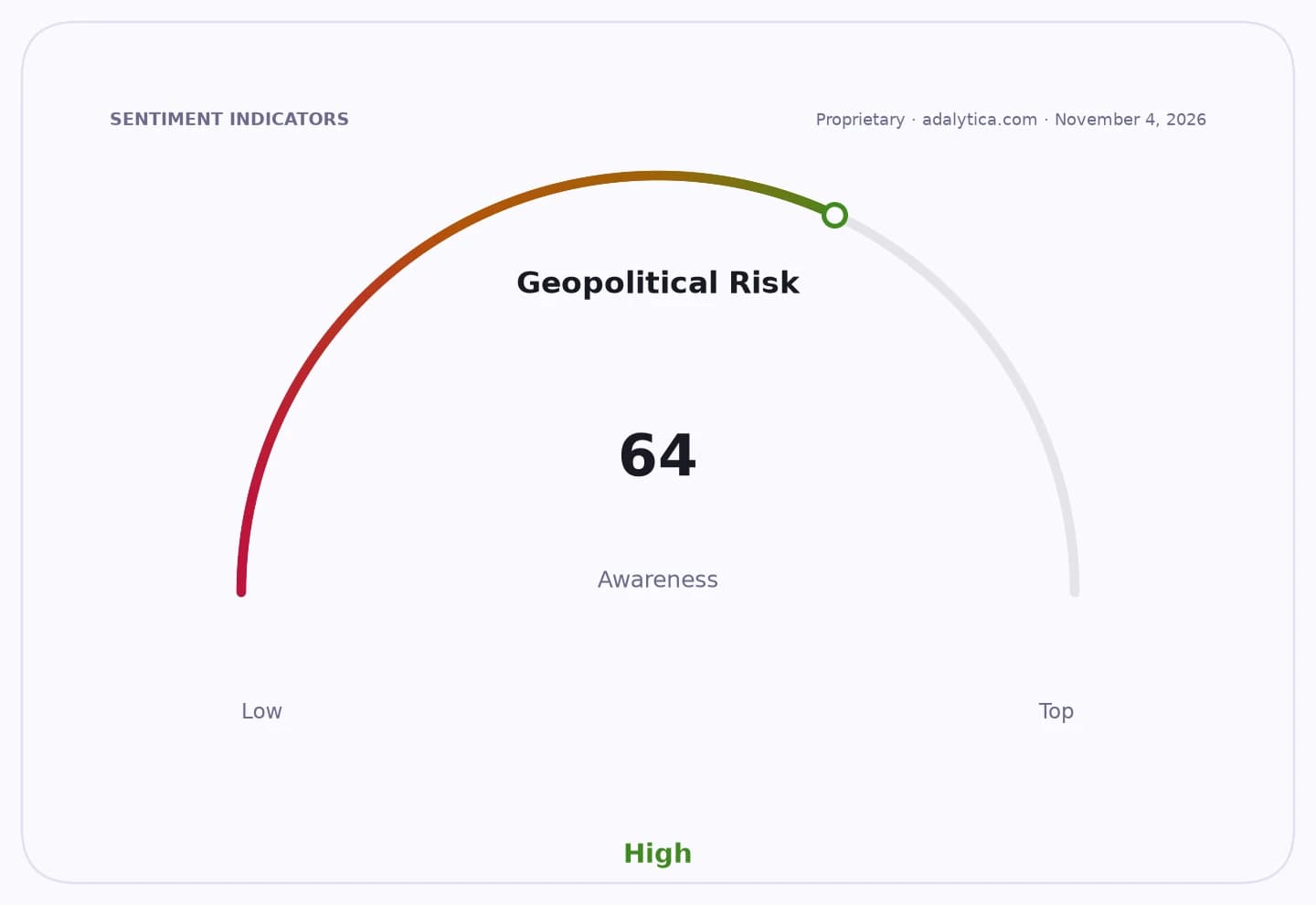
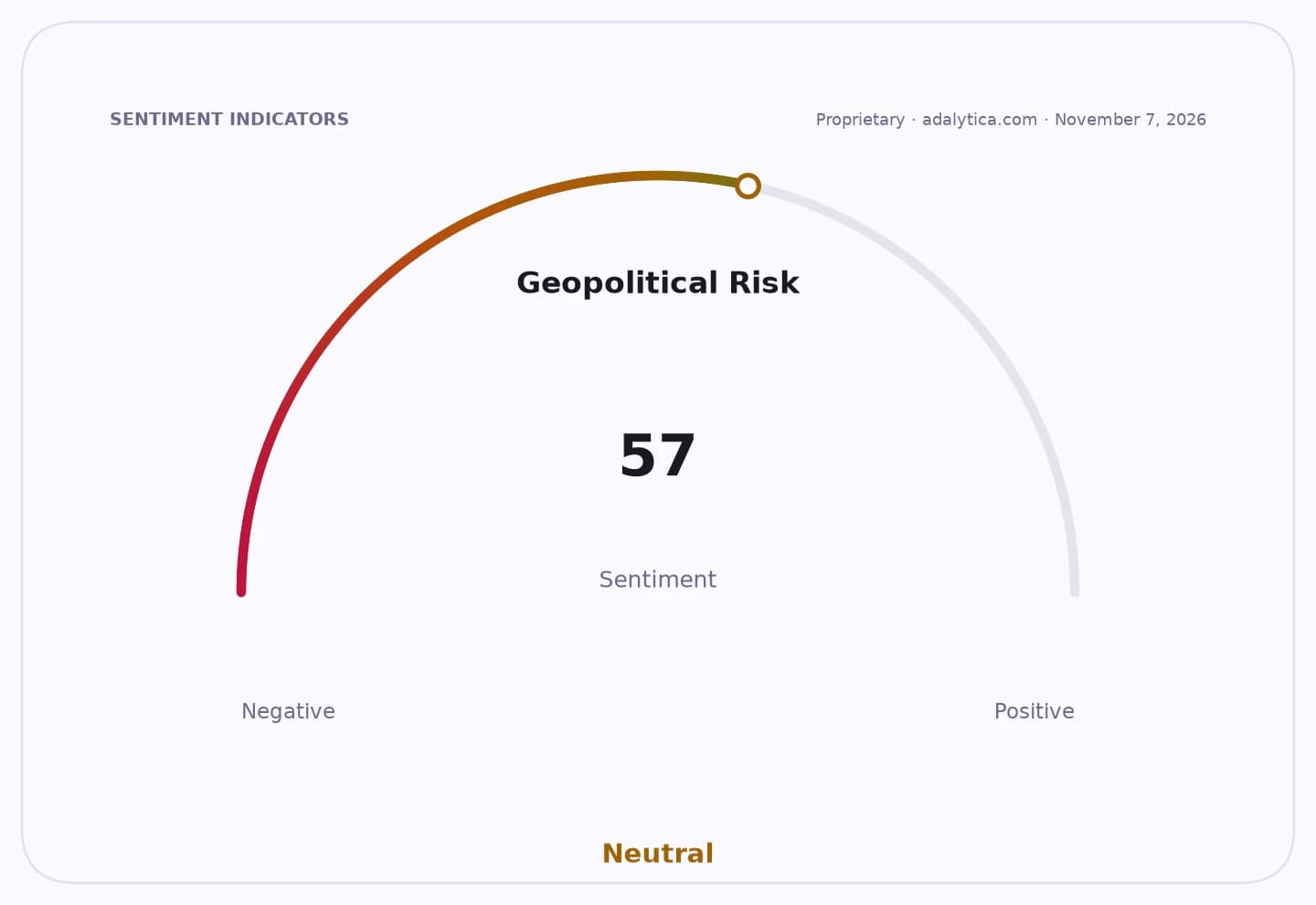
Sentiment Indicators
The message matters because fuel scarcity in Libya is not just an inconvenience for households and drivers. It feeds a parallel market, raises transport and living costs, and exposes the fragility of a system that still depends on steady foreign supply, working ports and functioning depots. Any interruption in that chain quickly shows up as queues and price manipulation.
Brega said it is responsible for receiving, handling, storing, filling and distributing the volumes that reach it, but that foreign procurement, letters of credit and contracting sit with other institutions, including the National Oil Corporation and banking authorities. That division of labor has long made it difficult to assign blame when shortages surface, even as public frustration grows.
The company also tied recurring congestion at fuel stations to more than one stage of the network, including loading, transport, station readiness and uneven local demand. It said some shortages can only be identified by tracing where the bottleneck occurs, rather than blaming the depots alone.
A key part of the response, Brega said, is cracking down on unauthorized stations and fuel diversion to smuggling networks. It said enforcement belongs to security and judicial authorities, while its own role is monitoring fuel flows and flagging violations. That is economically important in Libya, where subsidized fuel creates incentives for diversion and smuggling when oversight is weak.
Brega also highlighted efforts in the south, where it said it restarted a gas-filling carousel at the Sebha oil depot after maintenance and is working to strengthen storage and distribution capacity in remote areas such as Ubari. Improving logistics in the south matters because distance and infrastructure gaps make supply disruptions more severe outside the main coastal cities.
The company said it is also maintaining depots, pumping equipment and pipelines to reduce the risk of outages from bad weather or port disruptions. For investors and energy traders, the broader takeaway is that Libya’s supply stability still hinges on operational resilience as much as on output volumes, leaving the market vulnerable to periodic domestic bottlenecks even when crude production is not the immediate issue.
| Entity | Gains | Losses |
|---|---|---|
| Brega Company | ▲Defends role; pushes direct sales | ▼Faces public pressure |
| Libyan consumers | ▲Better access if supply improves | ▼Longer queues, higher costs |
| Legitimate distributors | ▲More formal channel sales | ▼Less room for middlemen |
| Smugglers/black market sellers | ▲None | ▼Tighter monitoring, enforcement |