Brega Oil Marketing Company’s restart of the gas rotary at the Sabha Oil Depot matters because it adds throughput and storage in southern Libya, where fuel logistics have long been strained by distance, infrastructure gaps and periodic supply disruptions.
Libya's Sabha Oil Depot Restarts Gas Rotary
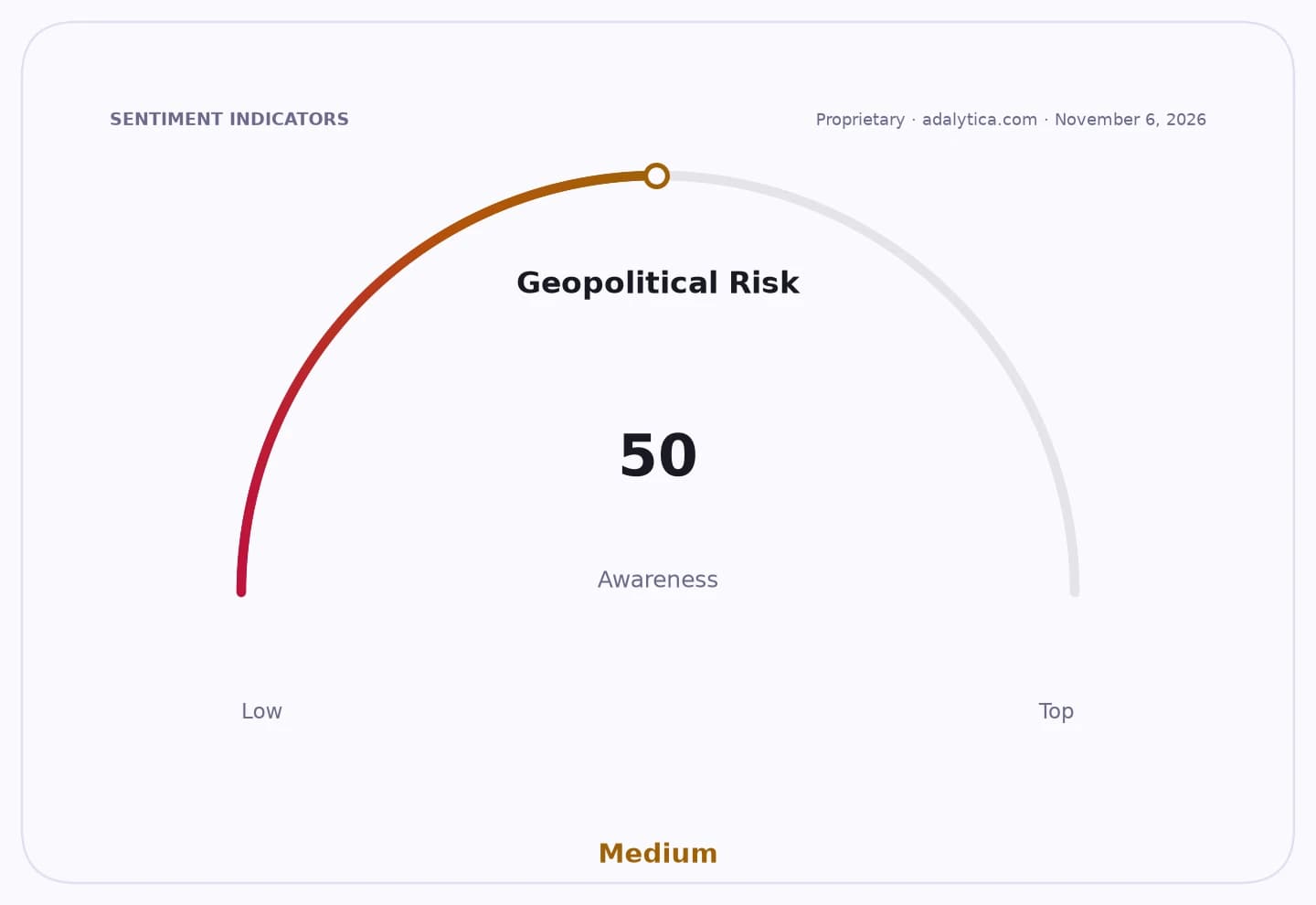
Geopolitical Risk
The company said the unit has entered service after maintenance and upgrades, raising production capacity to about 8,000 cylinders a day and increasing storage capacity to 1,500 metric tons. For Sabha and surrounding areas, that is not just an operating improvement but a distribution issue: more local bottling capacity can reduce bottlenecks, lower transport dependence from coastal hubs and improve supply reliability for households and businesses that rely on bottled gas for cooking and heating.
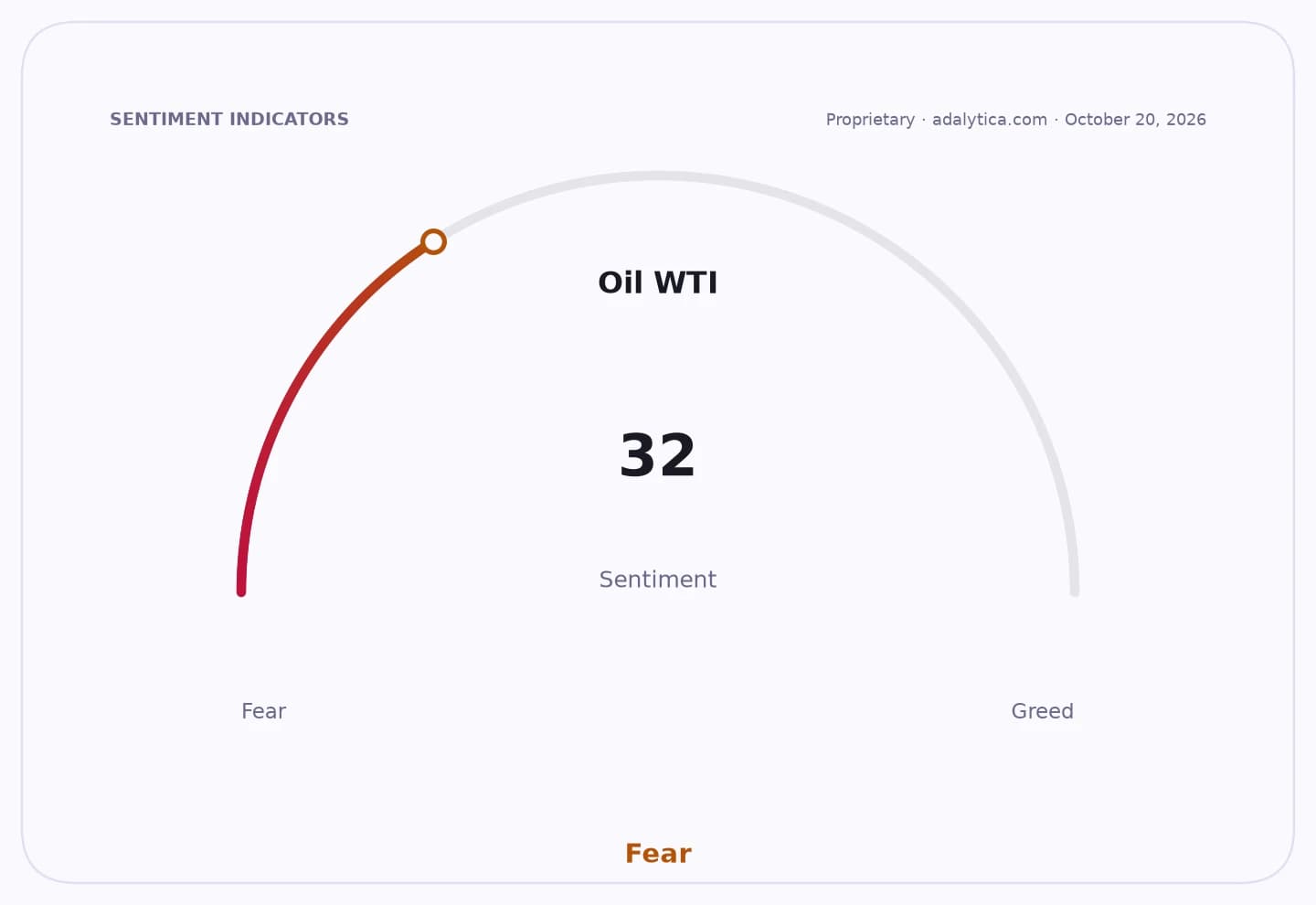
Sentiment Indicators
The move also comes at a time when natural gas markets remain sensitive to geopolitical risk and supply security. European gas prices have been swinging on hopes of de-escalation in the Middle East, while governments and utilities continue to prioritize diversified supply routes and storage. In that setting, even a localized upgrade in Libya carries broader significance because every incremental source of stable supply helps ease pressure on constrained regional logistics.
For Libya, the operational restart is a modest but practical gain for a country whose energy sector is still defined by underinvestment, uneven infrastructure and the need to keep domestic fuel distribution functioning despite political and security volatility. Improvements at depots such as Sabha can support consumption in remote regions and reduce the chance that local shortages spill into inflationary pressure through transport and household energy costs.
For investors, the direct market impact is limited, but the story is relevant as a read-through on energy infrastructure resilience across North Africa. Better bottling and storage capacity can improve service quality and reduce emergency shipment costs, while also underscoring how maintenance spending and asset reliability remain central to downstream energy operations in fragile markets.
The key question now is whether Libya can replicate such upgrades elsewhere and sustain them. If the country continues to restore depots and distribution assets, the benefit would be cumulative: steadier domestic supply, fewer logistical shocks and a slightly more dependable energy backdrop in a region where supply stability remains a market variable.
| Entity | Gains | Losses |
|---|---|---|
| Brega Oil Marketing Company | ▲Higher throughput | ▼Maintenance backlog reduced |
| Sabha Oil Depot | ▲8,000 cylinders/day capacity | ▼Downtime-related bottlenecks |
| Local households and businesses | ▲More reliable gas supply | ▼Shortage risk eased |
| Competing supply routes | ▲Less immediate pressure | ▼Some demand redirected away |