Egypt’s stock exchange and Mubasher Global are moving to turn education into a pipeline for new retail money, a development that matters because the market’s next phase depends less on hype than on whether first-time investors can be taught to trade, manage risk and stay engaged.
Egyptian Exchange, Mubasher Global Launch Trading Education

The two sides signed a memorandum of understanding to sponsor and organize educational competitions built around stock-market trading simulators, part of a broader effort to raise financial literacy and expand awareness of capital-market basics across investor groups in Egypt.
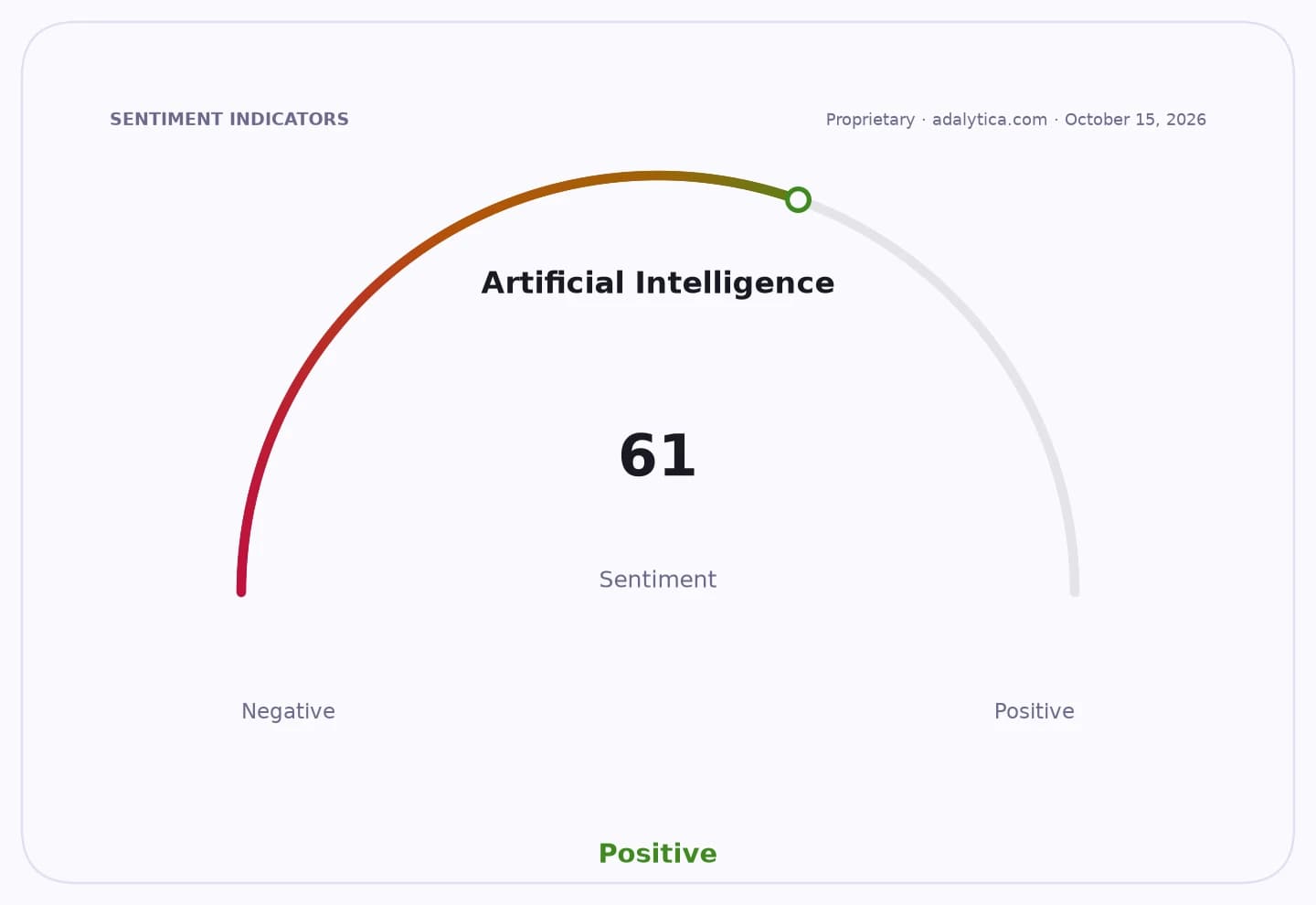
Sentiment IndicatorsⓘProprietary · adalytica.com · October 5, 2026
This is a snapshot — live sentiment, awareness and momentum for 130+ markets update continuously in the dashboard.Open AlphaPulse
For the exchange, the initiative is as much about market depth as outreach. A bigger pool of informed retail investors can lift participation in equities, increase turnover and improve the durability of local market flows. That is especially relevant in markets where trading is often concentrated among a narrow cohort and where many newcomers enter after being drawn in by short-term tips rather than structured learning.
Assem Al-Basal, managing director and chief executive of Mubasher Media, said the aim is to attract new investors by giving them educational and training tools before they commit capital. He argued that anyone entering the market should first pass through learning stages that explain investment and risk management, rather than relying on unverified recommendations circulating on WhatsApp and Telegram.
That message reflects a real structural issue for emerging-market exchanges: retail participation often rises quickly, but experience and discipline do not. When new investors lack basic training, volatility can be amplified by speculation, rumor-driven trading and poor risk control. A simulator-based approach is designed to reduce that friction by letting users practice in a market-like environment without financial exposure.
The initiative, branded around the idea of “learn and earn,” will combine simplified video content, interactive competitions and education tailored to younger audiences, rather than relying only on conventional seminars. Mubasher said it is drawing on its Global Financial Media experience in financial simulators, with systems that mimic market movements and trading mechanics.
For investors, the economic logic is straightforward: stronger retail education can widen the market’s addressable base and support a steadier long-term flow of domestic capital. For listed companies, especially smaller and mid-cap names, a better-informed retail class can broaden ownership and improve liquidity. For brokers and market infrastructure providers, it can also create more durable client acquisition than promotional campaigns built on speculation alone.
The downside case is that education campaigns can take time to translate into real trading activity, and digital simulators do not by themselves guarantee better investing behavior once real money is on the line. But the move suggests Egypt’s exchange is treating investor development as market infrastructure, not just public relations, at a moment when attracting and keeping new money matters as much as listing new names.
| Entity | Gains | Losses |
|---|---|---|
| Egyptian Exchange | ▲Broader retail base | ▼Reliance on uninformed trading |
| Mubasher Global | ▲New users and reach | ▼Short-term speculative demand |
| New investors | ▲Training and risk awareness | ▼Costly early mistakes |
| Brokerages/markets | ▲Higher participation and liquidity | ▼Less benefit from rumor-driven churn |