A Toronto courtroom has laid out the clearest case yet that Aiden Pleterski never put client money into the crypto and foreign-exchange bets he promised, but instead used tens of millions of dollars to fund a lavish lifestyle that now stands as a cautionary tale for anyone chasing quick riches in digital assets.
Toronto court hears Pleterski investor-fund fraud evidence
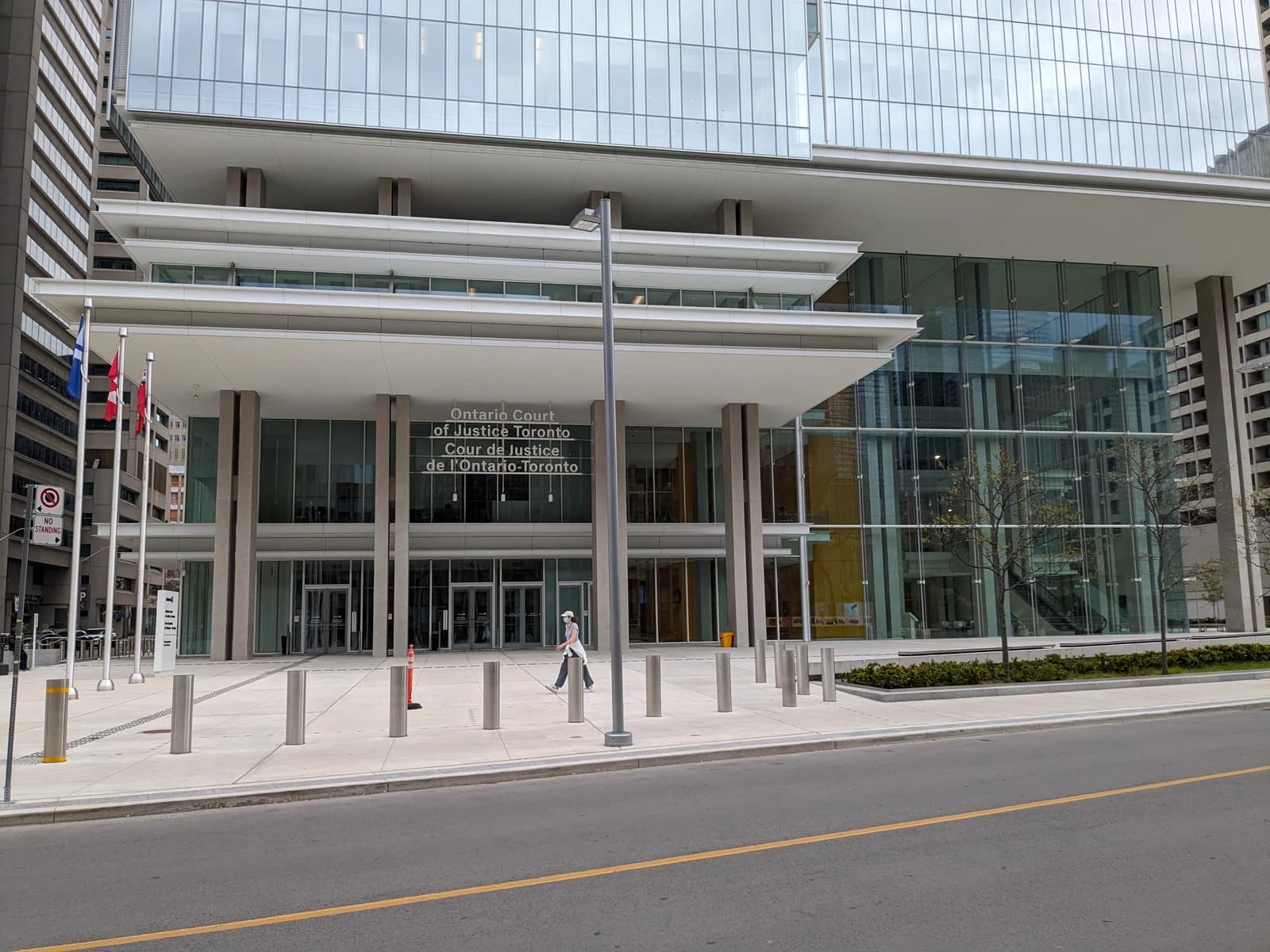
That matters far beyond one criminal trial. For investors, the case underscores how easily hype, social media and outsized return promises can mask simple cash misappropriation. For the broader crypto market, it is another reminder that confidence in the asset class still depends not just on price action, but on trust, disclosure and enforcement.
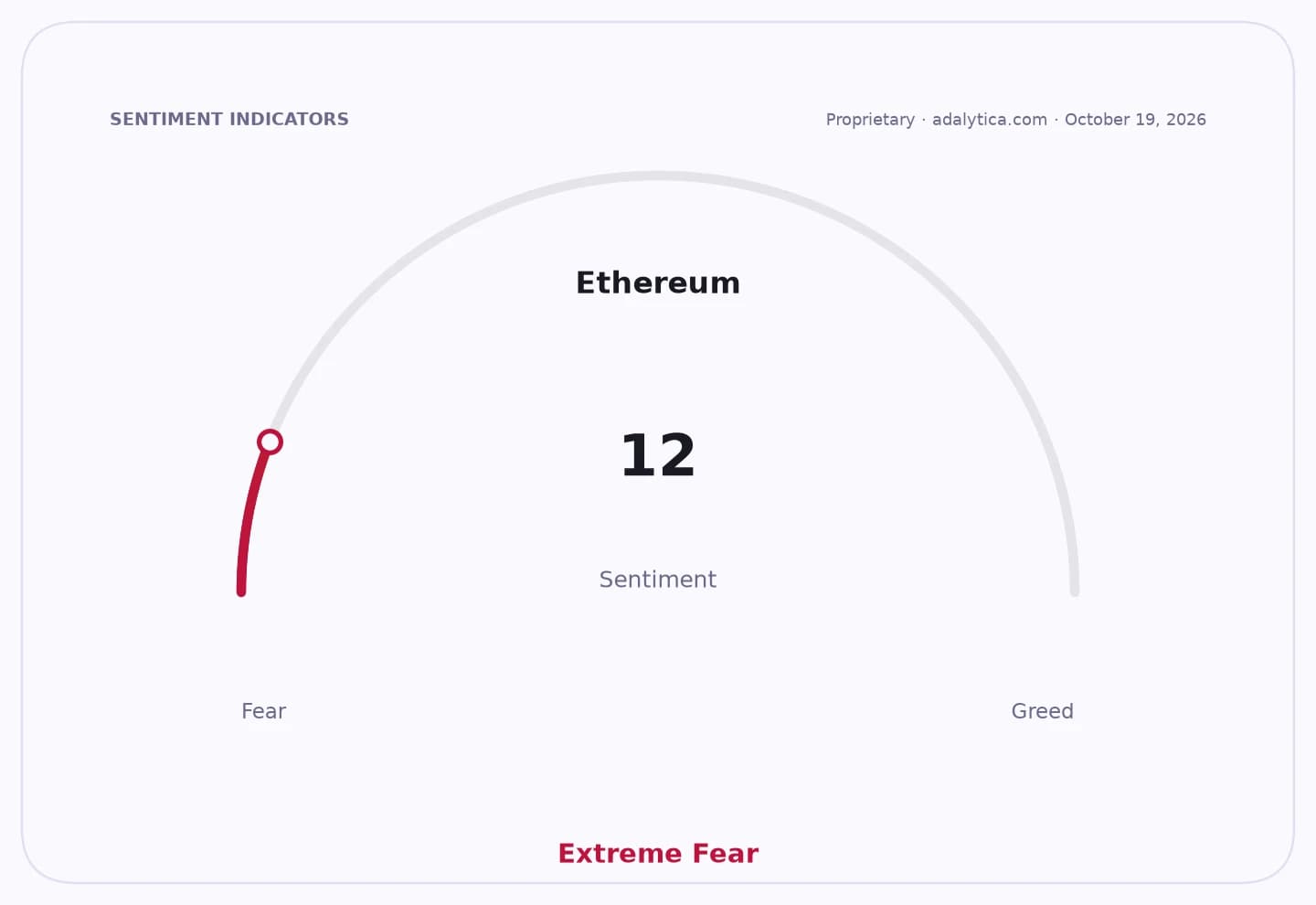
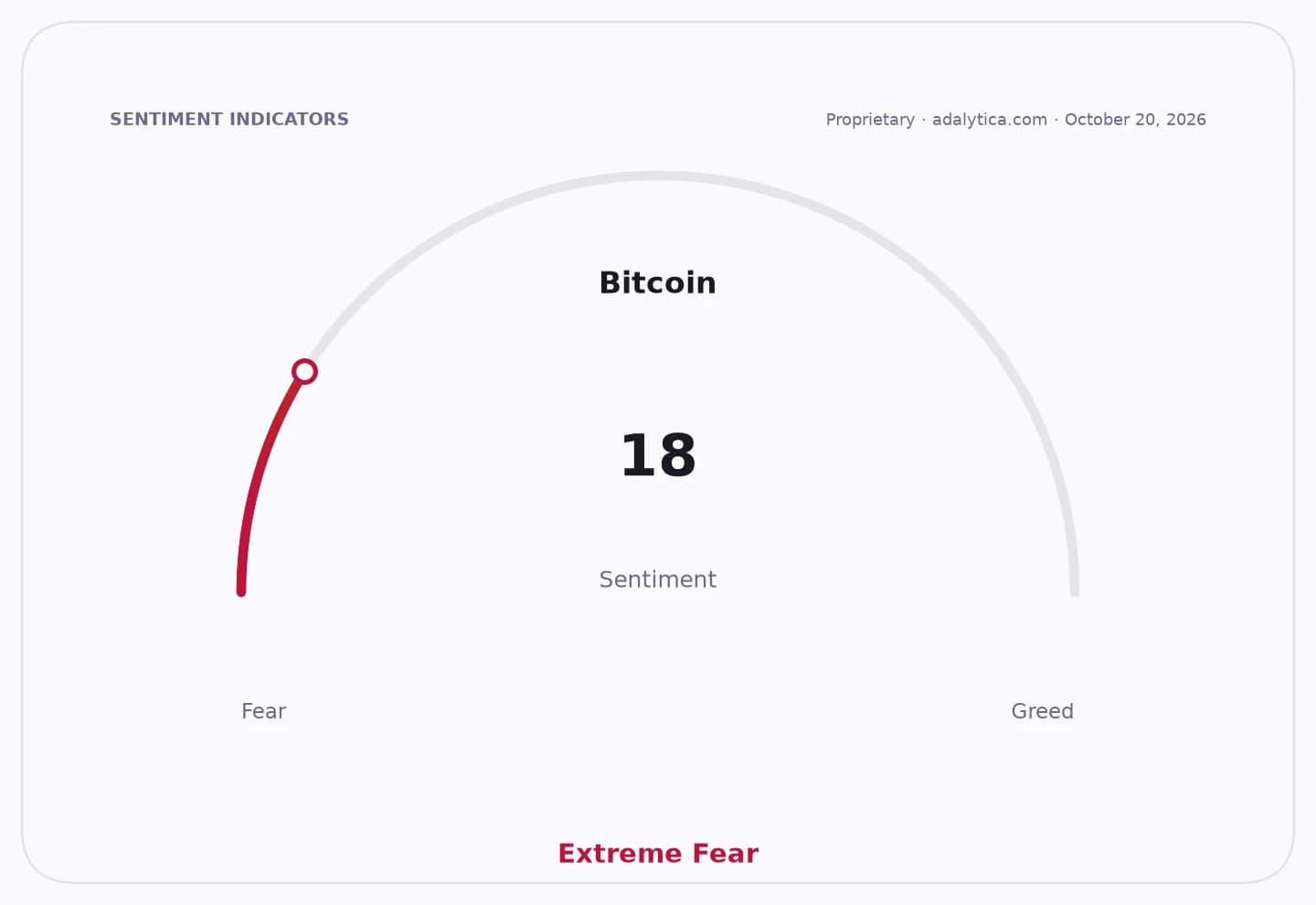
Sentiment IndicatorsⓘProprietary · adalytica.com · October 21, 2026
This is a snapshot — live sentiment, awareness and momentum for 130+ markets update continuously in the dashboard.Open AlphaPulse
On the seventh day of proceedings, the Crown called forensic accountant Albert Ciorma, who traced Aiden Pleterski’s bank and credit-card records from January 2020 to August 2022. His analysis showed that Pleterski collected 36.3 million Canadian dollars from investors, yet none of that money came from the FXChoice trading platform or other crypto venues that clients were led to believe held their capital.
The testimony also undercut one of the trial’s central claims: that Pleterski had access to a massive reserve pool of more than 300 million dollars to protect investor principal. Ciorma said he never saw a 311 million dollar balance in any of Pleterski’s accounts, confirming earlier evidence from former associate Mitchell Learning.
What the records did show was a pattern investors know all too well from classic fraud cases: money in, money out, and a lot of it ending up in the defendant’s personal life. The court heard that Pleterski bought luxury cars totaling 5.6 million dollars, spent 870,000 dollars on private jet travel and paid nearly 500,000 dollars for security systems. The statements also showed credit-card debt near 5 million dollars in 2020, along with 609,000 dollars in cash advances from a credit line.
That is why the case resonates in markets. Crypto has matured into a real asset class, but it still attracts promoters who sell certainty in an arena built on volatility. The Crown says Pleterski lured investors with promises of weekly returns of 1% to 5% and even offered to keep 30% of their capital on withdrawal, a pitch that should sound familiar to anyone who has watched speculative manias repeat across cycles.
The long-term lesson for investors is not that crypto is inherently fraudulent. It is that risk controls matter more when returns sound effortless. Bitcoin itself remains volatile — at roughly $82,666 in recent trading, it was still far below its recent highs and sitting near its 50-day moving average, with RSI readings showing a market that has cooled sharply from earlier exuberance. Coinbase and MARA have also seen their shares swing violently, a sign that even the public-market winners in crypto remain hostage to sentiment.
Adalytica’s Bitcoin Fear & Greed Index currently sits in “Fear” territory, even as awareness remains elevated, a combination that often appears after big drawdowns and headline-driven shock. That kind of backdrop can be uncomfortable, but it can also be healthy for disciplined, long-term investors who prefer real businesses with durable economics over fast-money stories.
The Pleterski trial is still about one man’s alleged deception, but its message is broader: in crypto, as in any speculative market, the easiest money is often the least real. Investors should keep their exposure diversified, insist on verifiable custody and audited financials, and treat guaranteed returns as a red flag, not an opportunity. Worth watching, but only with a skeptical eye.
| Entity | Gains | Losses |
|---|---|---|
| Investors | ▲Possibility of recovery through prosecution | ▼Capital already lost |
| Aiden Pleterski | ▲Chance to defend himself in court | ▼Reputation and legal freedom |
| Crypto market | ▲Renewed enforcement credibility | ▼Trust from retail investors |
| Coinbase and miners | ▲Long-term legitimacy if fraud is curbed | ▼Sentiment hit from fraud headlines |