Enel’s debt rose to 61 billion euros in the first half, underscoring how Italy’s new bill law is filtering through the utility’s cash flow and financing needs at a time when high borrowing costs still matter for regulated power groups.
Enel debt rises to 61 billion euros in first half
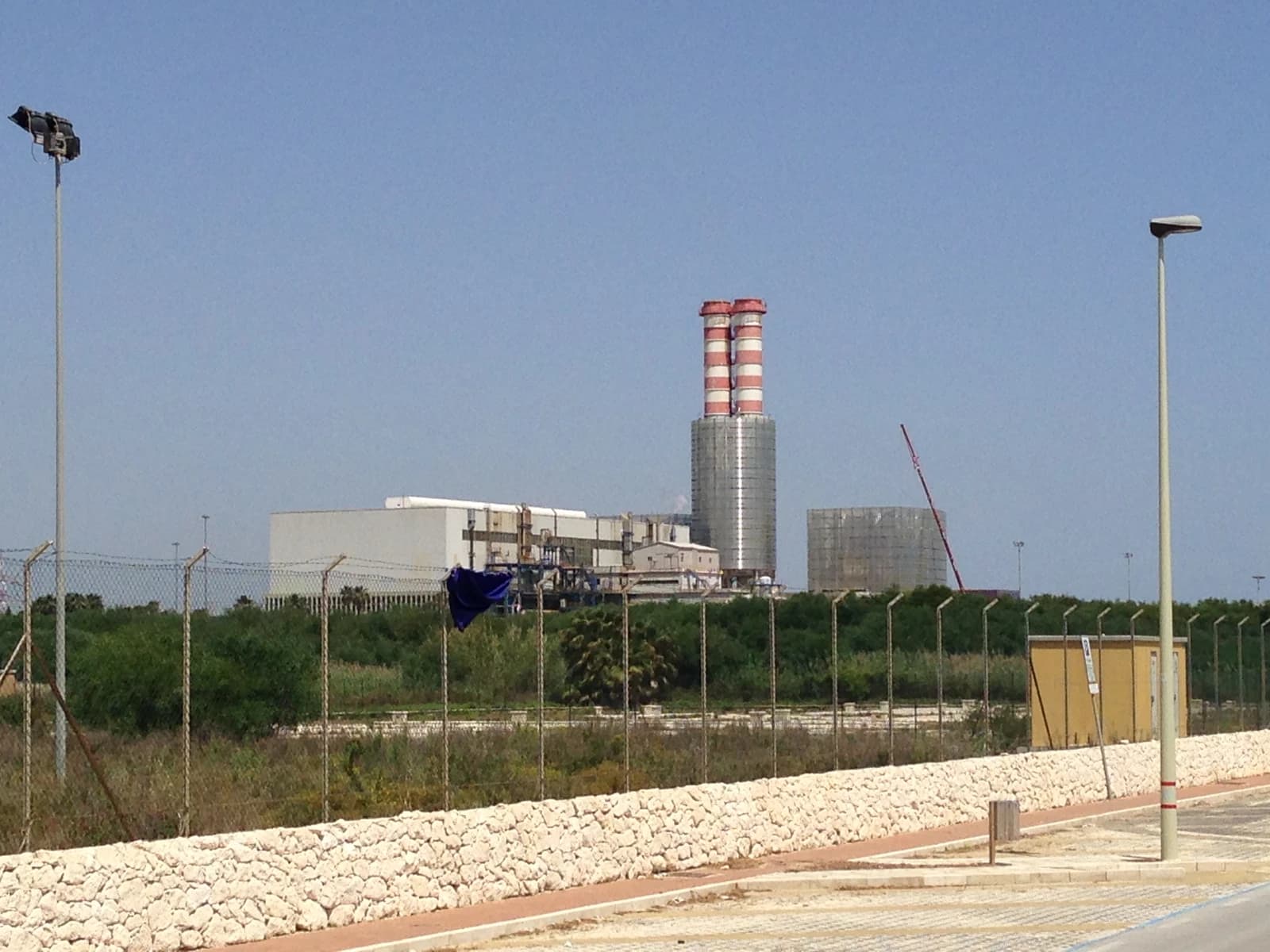
The increase matters because Enel sits at the intersection of policy, rates and capital spending: as one of Europe’s biggest utilities, its balance sheet helps set the tone for the sector’s dividend capacity, investment pace and valuation. A heavier debt load can limit flexibility just as utilities are being asked to fund grids, renewables and customer protections while preserving shareholder returns.
The bill law effect points to a more complex operating backdrop in Italy, where policy measures aimed at managing household electricity costs can shift cash timing and pressure working capital for suppliers. For Enel, that can mean funding the gap before reimbursement or tariff recovery flows through, lifting short-term leverage even if the underlying business remains stable.
Investors tend to read that through two lenses. Bulls will argue that Enel’s scale, regulated asset base and predictable earnings still support the balance sheet, especially if debt is tied to temporary policy effects rather than a deterioration in demand or margins. Bears will focus on the direction of travel: with debt already elevated, any squeeze on free cash flow can make it harder to defend payouts, keep leverage in check and protect credit metrics.
The stock’s recent trading suggests the market is weighing those competing forces rather than embracing a clean re-rating. Enel’s shares have held above both the 50-day and 200-day moving averages, which points to underlying support, but momentum has cooled after a stronger mid-year run and the latest price action has been less decisive.
That leaves the key question for the second half: whether the bill-law burden proves to be a one-off timing effect or the start of a more persistent drain on liquidity. For investors, the most important signals will be management’s guidance on cash generation, debt reduction and dividend policy, alongside any clarification on how much of the 61 billion-euro debt load is being driven by regulatory and policy mechanisms rather than structural deterioration.
| Entity | Gains | Losses |
|---|---|---|
| Enel | ▲short-term policy support | ▼higher leverage |
| Italian households | ▲softer utility bills | ▼later cost pass-through |
| Bondholders | ▲scale and utility cash flows | ▼refinancing risk if debt stays high |
| Equity investors | ▲regulated earnings visibility | ▼dividend and valuation pressure |