Installing rooftop solar can still be a poor economic choice for many households because the upfront cost only pays back if a home has high electricity use, enough unshaded roof space and a stable roof that will not need repairs or relocation soon.
Enphase, SolarEdge, First Solar Fall on Demand Concerns
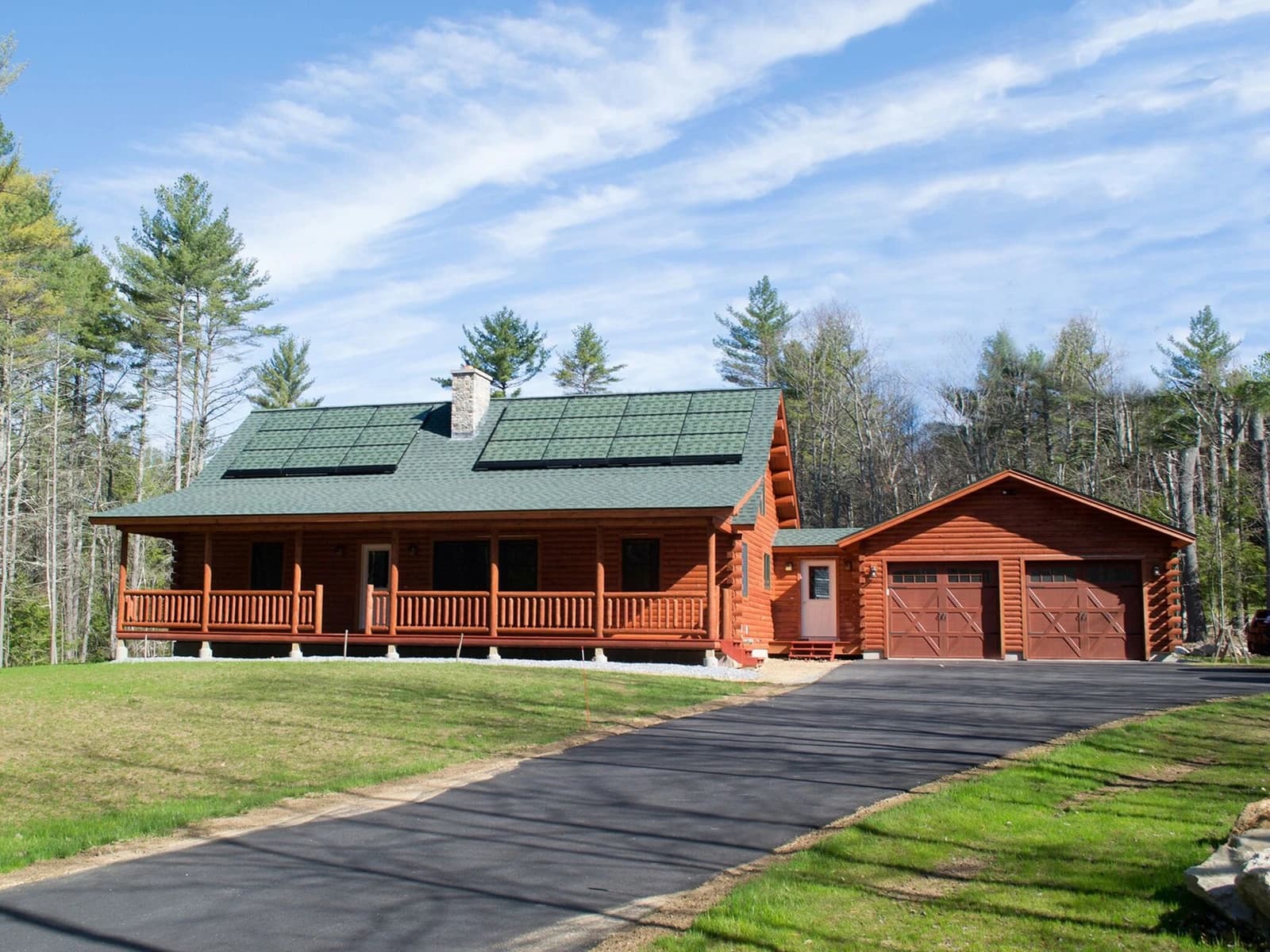
The core issue is not that solar power is unattractive in general, but that the return on investment is highly site-specific. Households with modest power bills may never recover installation costs quickly enough to justify the outlay. That matters economically because rooftop solar is a capital-intensive purchase, not a monthly subscription: the savings come later, after the system has already been paid for. For renters or families likely to move, the economics weaken further because uninstalling and reinstalling panels can be costly and can erode the payback period.
Sentiment IndicatorsⓘProprietary · adalytica.com · October 19, 2026
This is a snapshot — live sentiment, awareness and momentum for 130+ markets update continuously in the dashboard.Open AlphaPulse
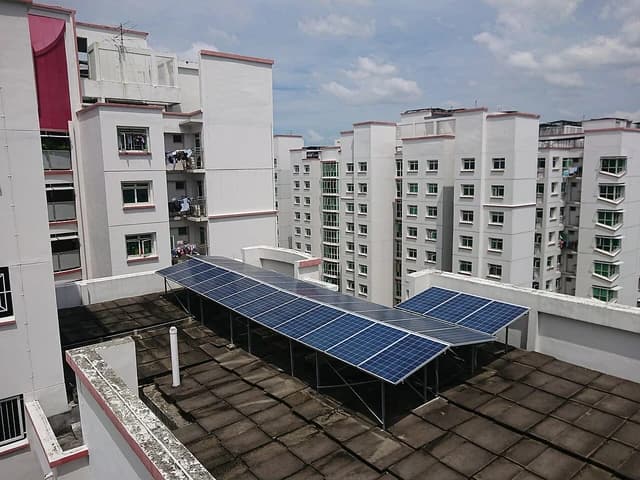
That calculus helps explain why home solar demand remains sensitive to electricity prices, roof conditions and policy support. Industry filings from Enphase, SolarEdge and First Solar all flag the same basic risk: residential and broader solar demand depends on utility rates, export credits, financing terms, incentives and the physical suitability of each site. In other words, the value proposition is not determined just by sunlight. It also depends on local tariffs, voltage quality, net-metering rules and the durability of the roof carrying the system.
Those constraints also show up in the market. Enphase shares have fallen to about $30.62 from a 2026 high above $72, while SolarEdge has dropped to roughly $31.36 from more than $78, leaving both names well below their 200-day moving averages. First Solar, more exposed to utility-scale demand but still tied to the broader solar cycle, has slid to around $172.64 from above $280 earlier this year. The weakness suggests investors remain cautious about how quickly solar adoption can expand once the easy early adopters are exhausted and buyers become more price-sensitive.
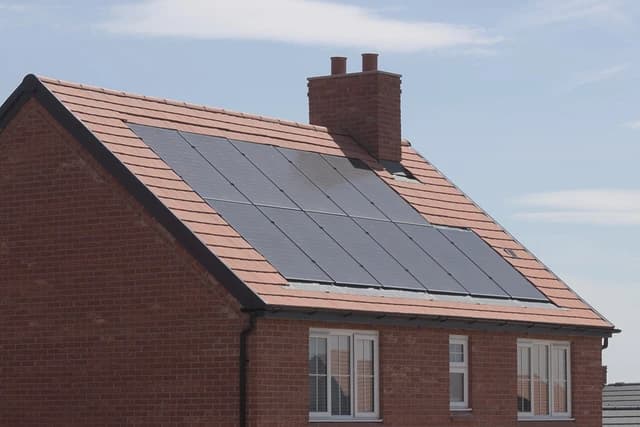
For homeowners, the bull case remains straightforward: where power bills are high, roofs are sound and sunlight exposure is strong, rooftop solar can still cut long-term energy costs and reduce exposure to rising utility tariffs. The bear case is equally clear: in homes with low consumption, limited sun exposure, aging roofs or near-term plans to move, solar can become an expensive capital project with a weak payoff. That is why the decision is increasingly less about whether solar is “good” and more about whether the household’s roof, bill and timeline make the investment efficient.
The practical takeaway for investors is that residential solar remains a value-sensitive market, not a blanket adoption story. Any sustained recovery in installers and equipment makers will likely depend on lower financing costs, sturdier incentives and a clearer payback case for the median household rather than just the most solar-friendly homes.
| Entity | Gains | Losses |
|---|---|---|
| High-usage homeowners | ▲Lower long-term power bills | ▼Large upfront cash outlay |
| Low-bill or moving households | ▲Avoid uneconomic installs | ▼Miss potential savings |
| Solar installers and equipment makers | ▲Better-qualified demand | ▼Fewer quick conversions |
| Utilities | ▲Slower rooftop load loss | ▼Less customer-side generation |