Estonia’s top civil servant is drawing a line between automation and austerity, saying the state will use artificial intelligence to speed up public services rather than shrink headcount, a policy choice that matters for how governments adopt AI and how investors should value the sector.
Estonia to Use AI for Faster Public Services
Artificial Intelligence
The message from State Secretary Keit Kasemets is significant because public-sector AI is increasingly being sold, and feared, as a cost-cutting tool. In Estonia’s case, the government is instead framing it as a productivity upgrade for a digital state that already relies heavily on online services. That makes the country a useful test case for whether AI adoption in government can improve efficiency without triggering the job losses that private companies have started to cite when announcing layoffs.
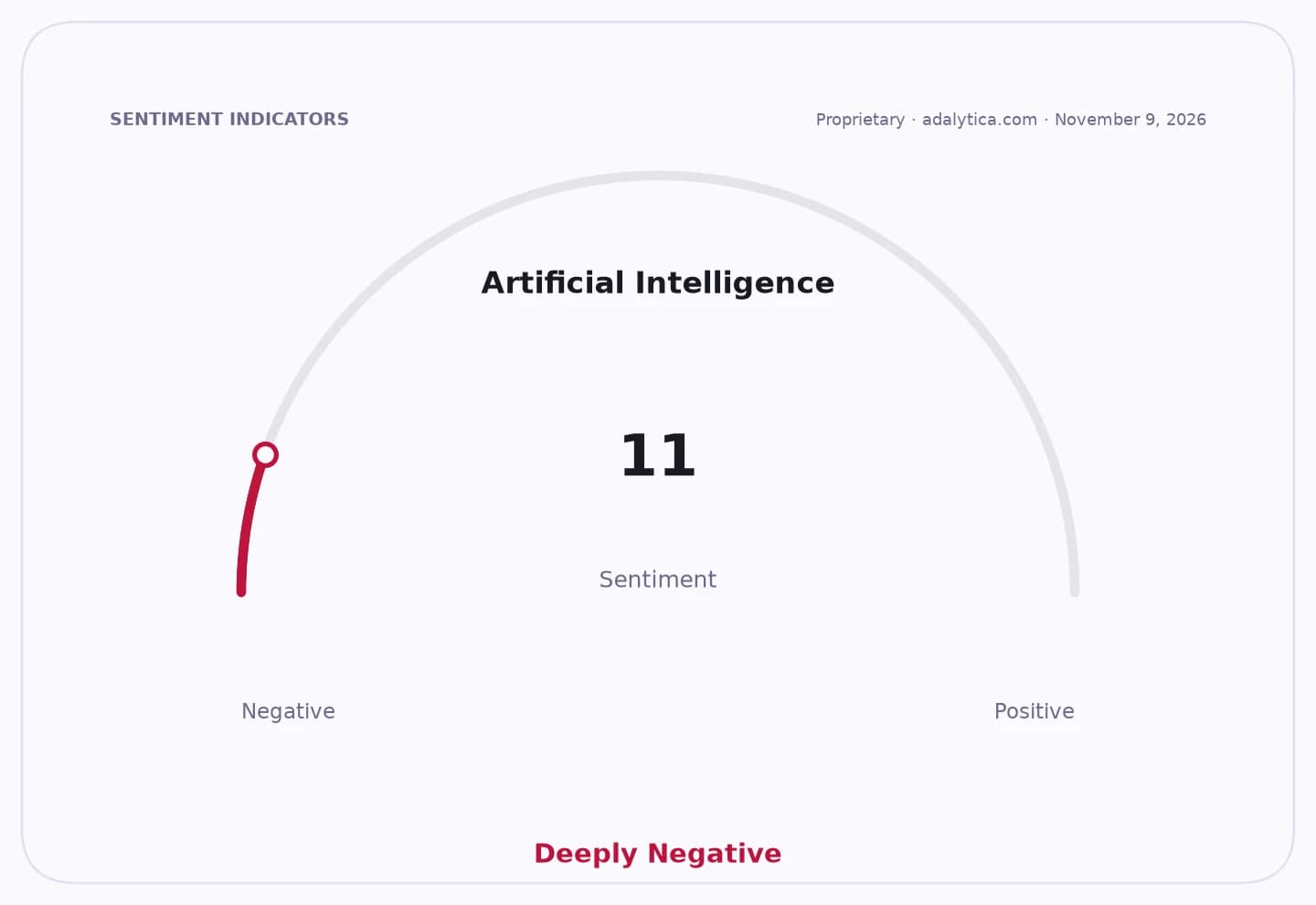
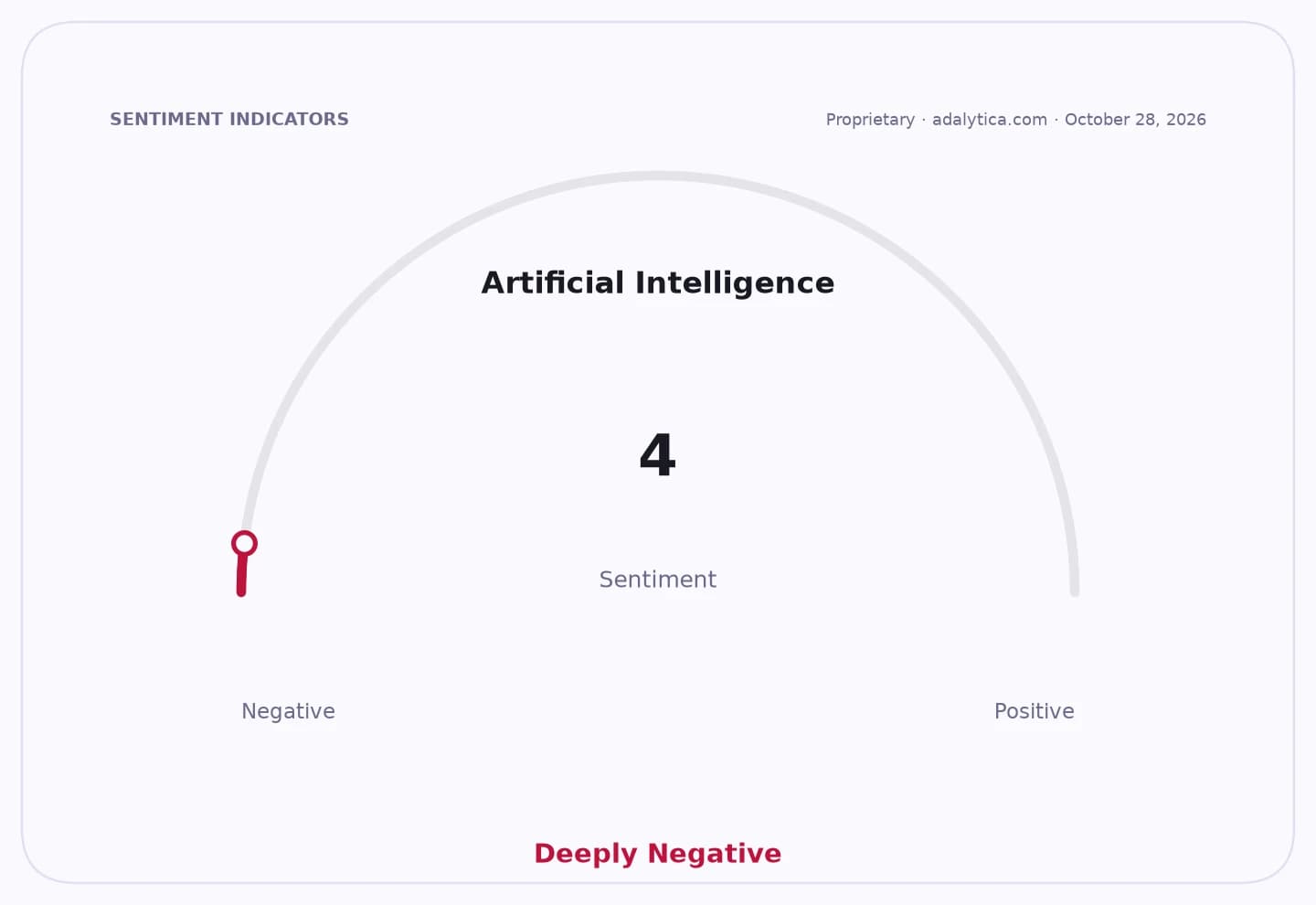
Sentiment Indicators
Kasemets said the aim is to provide people with convenient, high-quality and fast services, while pushing Estonia’s e-government solutions to a new level. That stance contrasts with several private companies that in October linked job cuts to AI adoption and the need to reduce expenses. For the public sector, the economic logic is different: governments are under pressure to deliver more with constrained budgets, but they also face political and social resistance to visible employment reductions.
For investors, the distinction matters because it shapes where AI spending is likely to go. A government model centered on service improvement points to demand for software, cloud infrastructure, digital identity tools, workflow automation and secure AI applications, rather than simple workforce replacement. That is constructive for vendors that can prove measurable productivity gains in regulated environments. It is less supportive of a near-term bear case built on governments cutting labor costs and delaying procurement.
The broader backdrop is a global debate over how far AI should be pushed inside public institutions. Some governments are tightening oversight and regulation, while others are expanding AI investment to improve service delivery and administrative capacity. Estonia’s approach fits its long-standing reputation as an e-government pioneer: automate processes, preserve public trust and keep the human state visible even as the machine layer expands.
For markets, the question is less whether governments will adopt AI than what kind of adoption they will fund. Estonia’s framing suggests the first wave may be about efficiency, compliance and citizen experience. Over time, that can still support revenue growth for enterprise AI vendors, but it is likely to be a slower, more measured procurement cycle than the private-sector push for immediate margin savings.
| Entity | Gains | Losses |
|---|---|---|
| Estonian government | ▲Faster public services | ▼None immediately |
| Civil servants | ▲AI assistance | ▼Job-cut fears ease |
| AI software vendors | ▲Public-sector demand | ▼Quick labor-replacement narrative |
| Private employers citing AI cuts | ▲Cost-saving justification | ▼Public trust in AI adoption |