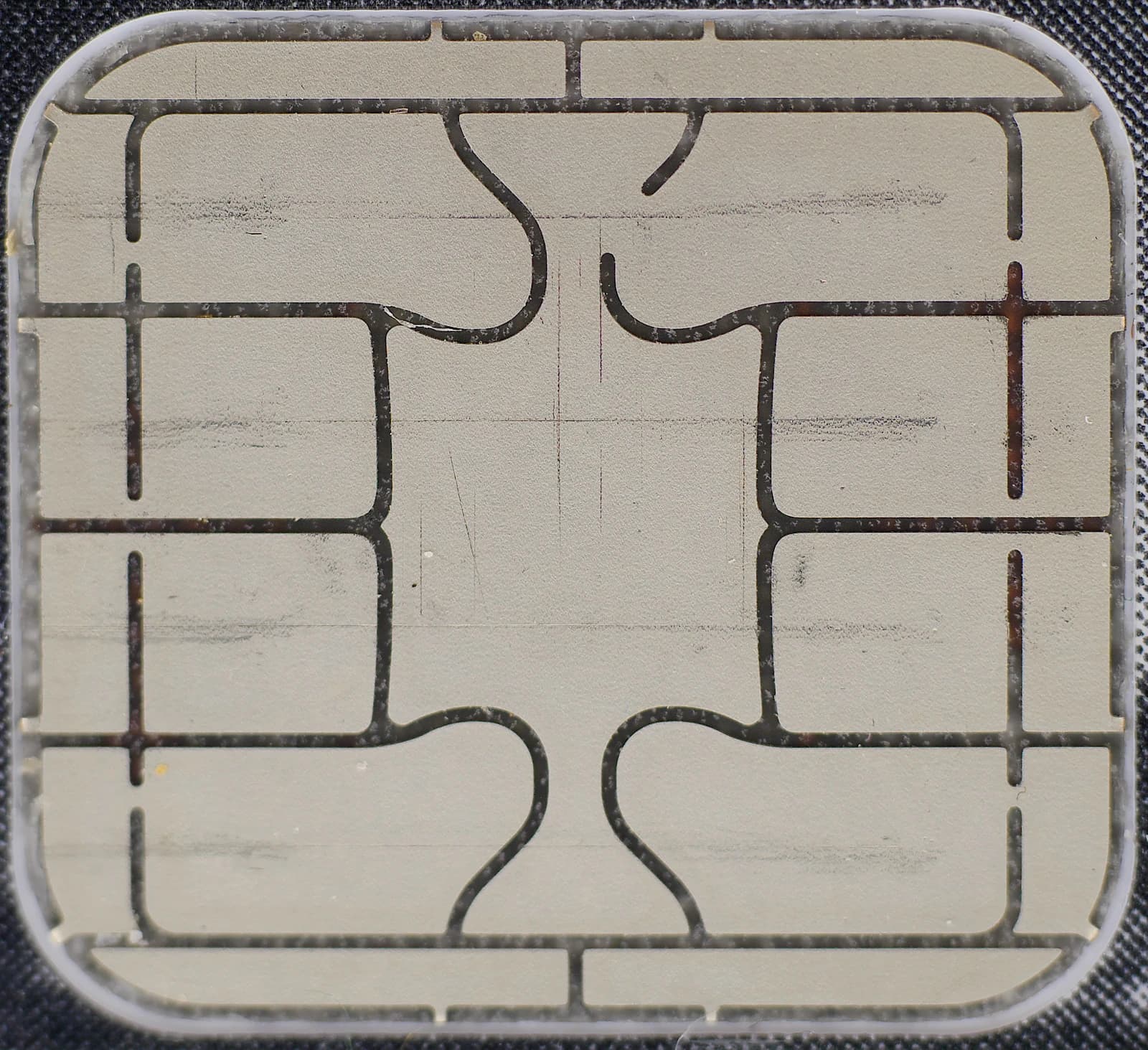
Eternal’s new co-branded SBI credit card is less a flashy perk than a calculated push to turn everyday spending into a sticky payments habit, and that matters because the economics of consumer commerce increasingly reward companies that can keep a customer inside their own ecosystem. The card’s contactless feature, capped at ₹5,000 per tap transaction, is designed to make small-ticket purchases faster and safer while nudging users toward more frequent spending across Blinkit, Bistro, District and Zomato.
Eternal SBI Credit Card Launches With Rewards

That is the core investment story here. Eternal is not just handing out a payment tool; it is building a closed-loop rewards engine around food delivery, quick commerce and lifestyle services. The company says early-access applications have opened for the first 5,000 cards, with onboarding fully digital, a joining fee of ₹499 and an annual renewal fee of ₹499 that can be waived on spends above ₹2 lakh. For a business trying to deepen user loyalty and raise transaction frequency, those details matter more than the sticker price.
Sentiment Indicators
The savings pitch is also aggressive. Eternal says cardholders could save up to ₹3,500 a month, or ₹42,000 a year, including ₹2,000 in instant discounts across its own brands, ₹1,000 cashback on partner brands and ₹500 cashback on other eligible spends. That suggests the card is being used as a customer-acquisition and retention tool, not just a financing product. If it works, Eternal can lower churn, increase order frequency and make its platforms more central to daily life.
For investors, the significance is that payments are becoming another layer in the platform’s moat. Contactless functionality powered by RuPay and Mastercard also aligns Eternal with broader consumer behavior: card payments and tap-to-pay usage keep rising as shoppers prioritize speed and convenience. The company’s message that the card never leaves the user’s hand and reduces skimming and counterfeit fraud should help adoption, especially in quick-service settings such as petrol stations, fast-food outlets and movie theaters.
There is a market angle too. Payments networks and processors benefit whenever card usage becomes more embedded in routine spending, which is why the setup is relevant not only to Eternal but also to players such as Visa, Mastercard and PayPal, even if the immediate revenue impact is harder to quantify from this rollout alone. The broader trend is clear: consumer platforms are increasingly bundling payments, rewards and commerce into one experience to keep users inside the app and away from rivals.
The limit itself is worth noting. A ₹5,000 cap per contactless transaction reflects the industry’s standard guardrails around tap payments, balancing convenience with fraud control. Eternal’s FAQ says a merchant must first enter the amount and the card must be brought within 4 cm of the reader for more than half a second, reducing accidental or unauthorized charges. That kind of detail may sound small, but for mass adoption it is exactly the kind of friction reduction that matters.
The real question for long-term investors is whether Eternal can use this card to reinforce an already powerful consumer platform rather than merely add another promotion. If the company can convert rewards into repeat behavior, the card could become a durable growth lever. If not, it risks being another subsidy-heavy experiment in customer acquisition. For now, it looks like a smart, strategically consistent move worth watching closely.
| Entity | Gains | Losses |
|---|---|---|
| Eternal | ▲Stickier users, higher order frequency | ▼Higher rewards costs |
| SBI Card networks | ▲More card spending volume | ▼More exposure to fraud control costs |
| Cardholders | ▲Discounts and cashback | ▼Annual fee if spend is too low |
| Rival platforms | ▲— | ▼Weaker customer loyalty |