Ethereum researchers have proposed cutting transaction finality to about four minutes from roughly 16 minutes, a change that could make the network more useful for payments, cross-chain transfers and other applications that depend on fast, reliable settlement.
Ethereum draft proposal cuts finality to four minutes
That matters because finality is where blockchain ambition meets real-world finance. The faster a transaction becomes irreversible, the less capital bridges, market makers and infrastructure providers have to lock up while waiting for confirmation. In plain English: if Ethereum can settle four times faster, it can potentially move more value with less cash sitting idle.
Sentiment Indicators
The draft proposal, submitted Oct. 21, would separate block selection from finalization, giving Ethereum a path to shorter settlement times without rewriting the entire consensus system at once. Researchers say the approach is meant as a first step, not a finished upgrade, and there is no confirmed implementation date. Technical details still need to be worked out, which is exactly what investors should expect from a network trying to preserve security and decentralization while improving speed.
For Ethereum’s ecosystem, the payoff could be meaningful. Bridges and other services that front liquidity to users often need to keep sizable pools of capital available during the settlement window. A shorter finality period would let them recycle those funds more quickly, improving efficiency and potentially lowering operating costs. The proposal’s own example suggests a service advancing $1 million an hour could see tied-up capital fall from about $267,000 to $67,000 if finality dropped from 16 minutes to four.
That kind of improvement does not just help engineers feel better about the plumbing. It can widen the practical uses for Ethereum across institutional settlement, token transfers and cross-chain infrastructure, where speed and certainty are core features, not nice-to-haves. In a market where many investors are still focused on price swings, the bigger long-term story is whether Ethereum can keep making itself more financially useful.
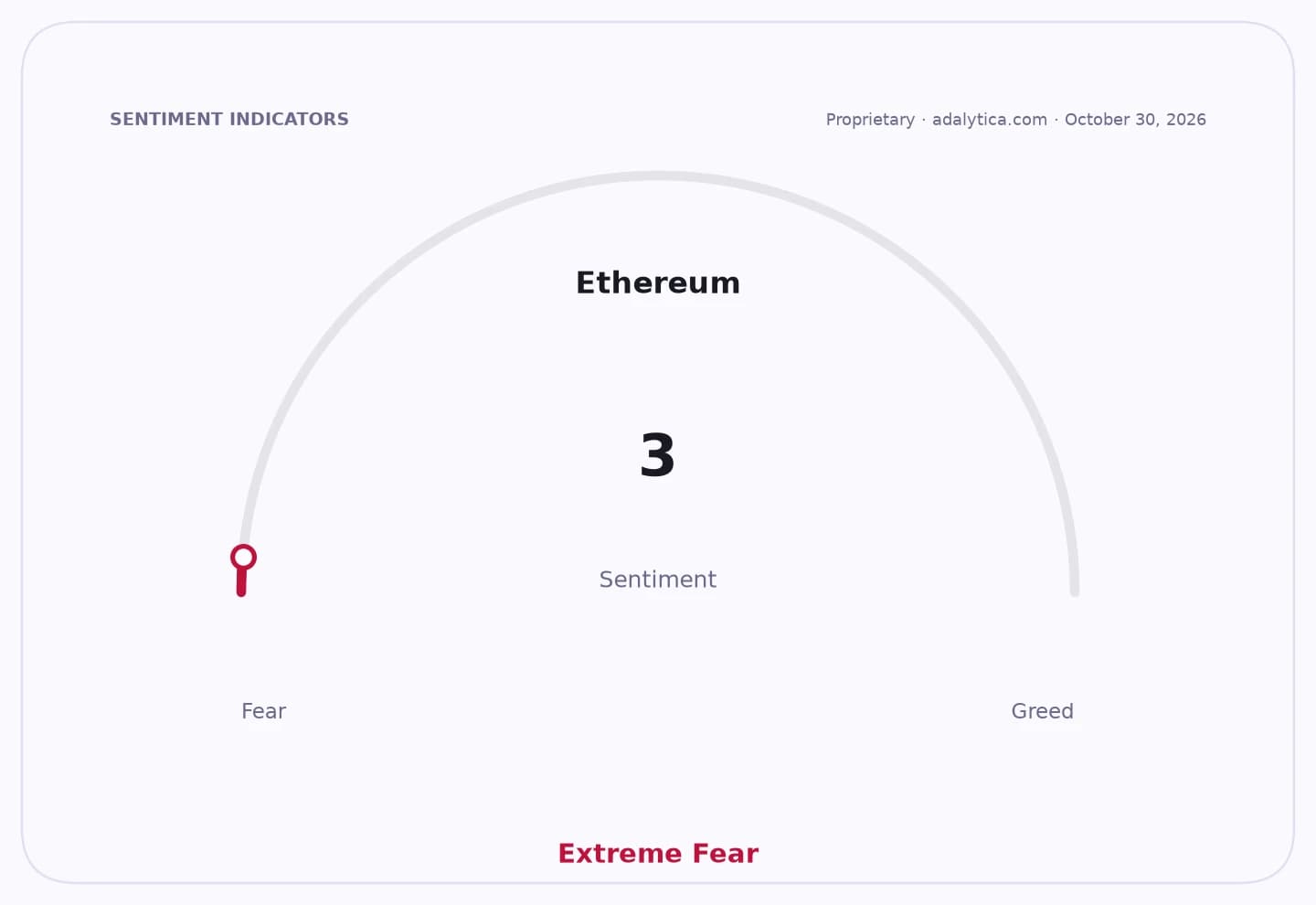
The timing is notable. Ethereum sentiment remains deeply depressed, and the token has been under pressure even as broader markets have shown more risk appetite. At the same time, conventional technical indicators on ETH have pointed to a weak but improving short-term picture, with the token recently trading above its 50-day moving average but still below levels that would signal a stronger trend. For long-term investors, that combination often creates the right backdrop to watch product development instead of daily noise.
Coinbase and other infrastructure-linked names also stand to benefit if lower settlement friction expands activity across the crypto stack. Faster finality could support more throughput, more confidence and eventually more fees flowing through the ecosystem. If Ethereum keeps winning the infrastructure race, that is the sort of operational improvement that compounds over years, not days.
The key point is that this is still research, not a live protocol change. Ethereum’s engineers are trying to make the network faster without weakening the guarantees that made it valuable in the first place. If they succeed, the winners could be users, developers and long-term holders who care more about utility than headlines. For now, it is a development worth watching, and one that belongs on investors’ watchlists.
| Entity | Gains | Losses |
|---|---|---|
| Ethereum users | ▲Faster settlement | ▼Longer wait times |
| Cross-chain bridges | ▲Lower liquidity needs | ▼More capital tied up |
| Ethereum ecosystem | ▲Better transaction efficiency | ▼Friction in scaling use cases |
| Competing networks | ▲Less edge on speed | ▼Relative advantage if Ethereum closes gap |