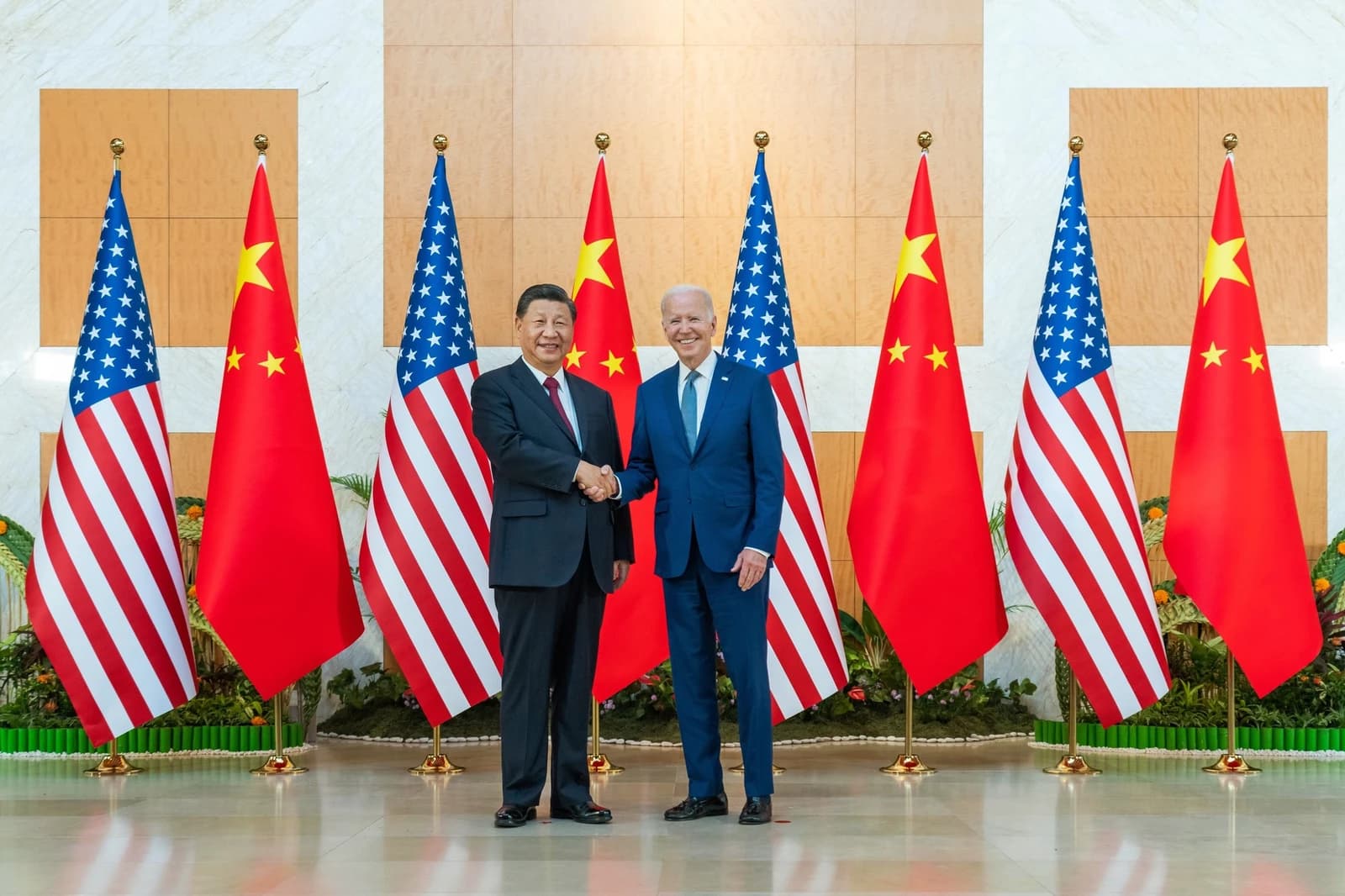
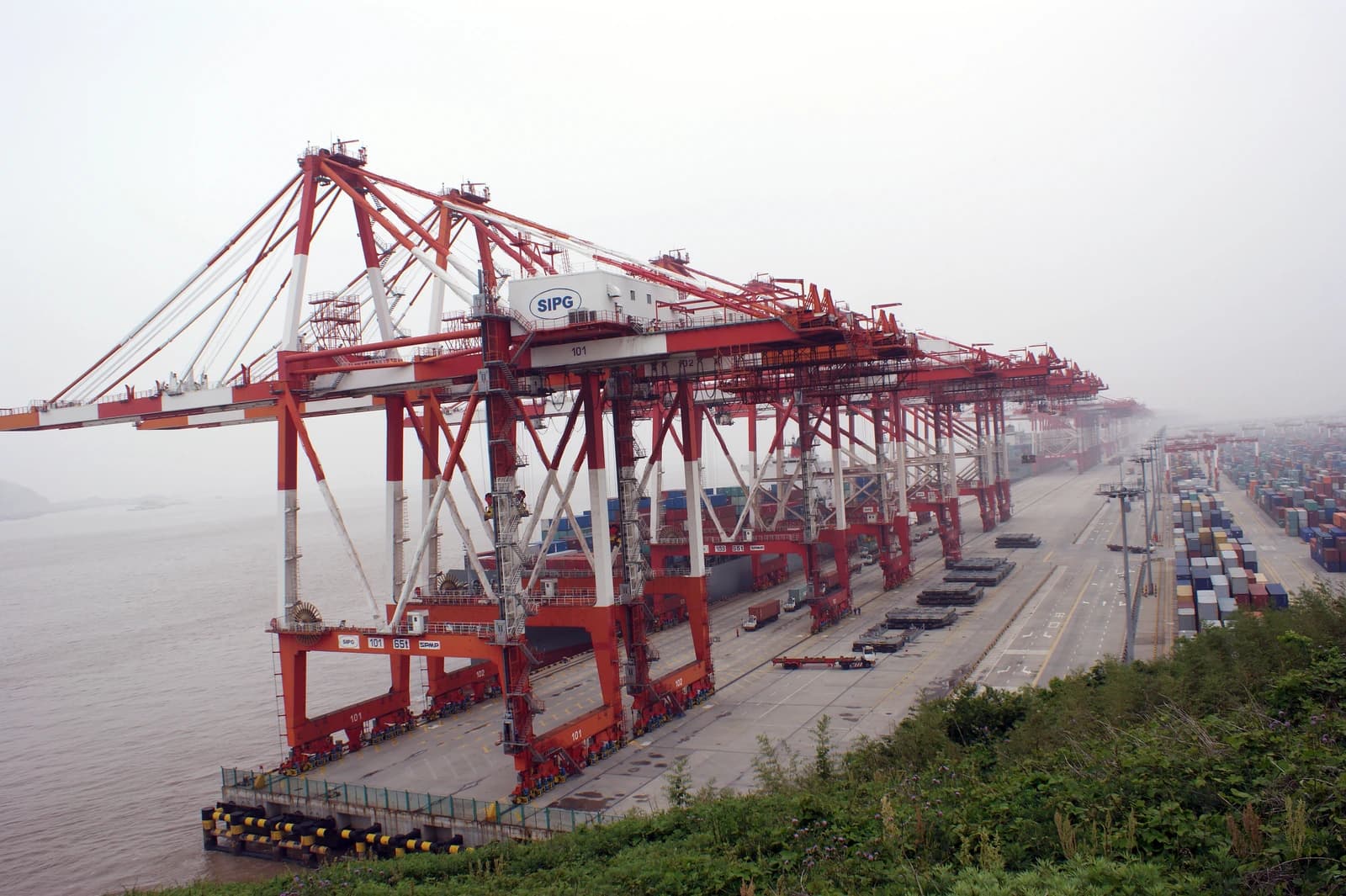
Europe’s top official is no longer talking about a future threat from China’s industrial overcapacity — she is saying the pain is already here. That matters because a second wave of cheap Chinese exports could squeeze European manufacturers, intensify trade friction and force policymakers to choose between defending domestic industry and keeping global supply chains open.
EU Says China Shock Has Already Begun

European Commission President Ursula von der Leyen said in her State of the Union speech that “the second China shock has already begun,” pressing for concrete results from EU-China trade talks. The message is important for investors because it points to a longer period of pressure on sectors exposed to Chinese competition, from autos and industrial goods to clean-tech supply chains, while raising the odds of more tariffs, subsidies and retaliatory measures.
Sentiment IndicatorsⓘProprietary · adalytica.com · September 18, 2026
This is a snapshot — live sentiment, awareness and momentum for 130+ markets update continuously in the dashboard.Open AlphaPulse

For Europe, the economic stakes are clear. A surge of lower-cost Chinese products can cap inflation in the short run, but it also weakens pricing power and margins for local companies that are already facing higher energy costs, soft demand and weaker growth. That kind of pressure can ripple through employment, capital spending and export earnings, especially in manufacturing-heavy economies.
The market angle is just as significant. Investors in European exporters, industrials and manufacturers now have to weigh not only slower demand in China, but also the risk that Chinese firms push more aggressively into Europe as the world’s second-largest economy leans harder on exports. ETFs tracking China, such as FXI, have remained under pressure relative to their longer-term averages, while Hong Kong-linked equities in EWH and Spanish stocks in EWP have also shown recent volatility — a reminder that geopolitics is increasingly intertwined with market performance.
CCP Policy Direction vs FXIadalytica.com
Explore this data interactively — full history, time series and cross-market comparisons.Open AlphaPulse
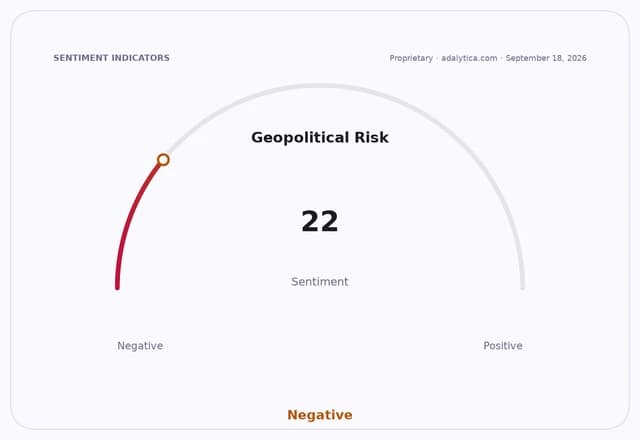
Von der Leyen’s comments also fit a broader shift in global risk sentiment. Adalytica’s U.S.-China relations gauge shows neutral sentiment but elevated awareness, suggesting markets are paying close attention even if they are not fully pricing in a harsher trade split. At the same time, its global stability indicator sits in fear territory, underscoring how trade tension and geopolitical uncertainty can keep investors cautious.
This is where long-term investors should focus. The “second China shock” is not just a slogan — it is a warning that global competition is moving into a more protectionist phase, and that winners will likely be companies with real pricing power, resilient supply chains and exposure to secular growth rather than cyclical manufacturing. For diversified investors, that means favoring quality over cheapness and watching closely which industries can absorb the shock and which cannot. Worth watching, and worth holding with a long time horizon.
| Entity | Gains | Losses |
|---|---|---|
| Chinese exporters | ▲More market share | ▼European trade pushback |
| European consumers | ▲Lower import prices | ▼Fewer local jobs |
| EU manufacturers | ▲Little, if any | ▼Margin pressure |
| Investors in quality moats | ▲Relative resilience | ▼Cyclical industrial exposure |