The European Union’s Digital Markets Act is no longer just a compliance issue for Big Tech — it is becoming a structural tax on product design, monetization and customer experience across the world’s most important consumer platforms.
EU DMA pressure on Apple, Google and Meta
That matters because the DMA is forcing Apple, Google and Meta to change how their services work for European users, and those changes are not cosmetic. They can alter app discovery, default settings, ad targeting, payments, messaging interoperability and the overall “friction” of using digital services. For citizens, that can mean more choice and less platform control. For investors, it means slower monetization, higher legal expense, and a more unpredictable Europe premium embedded in future earnings.
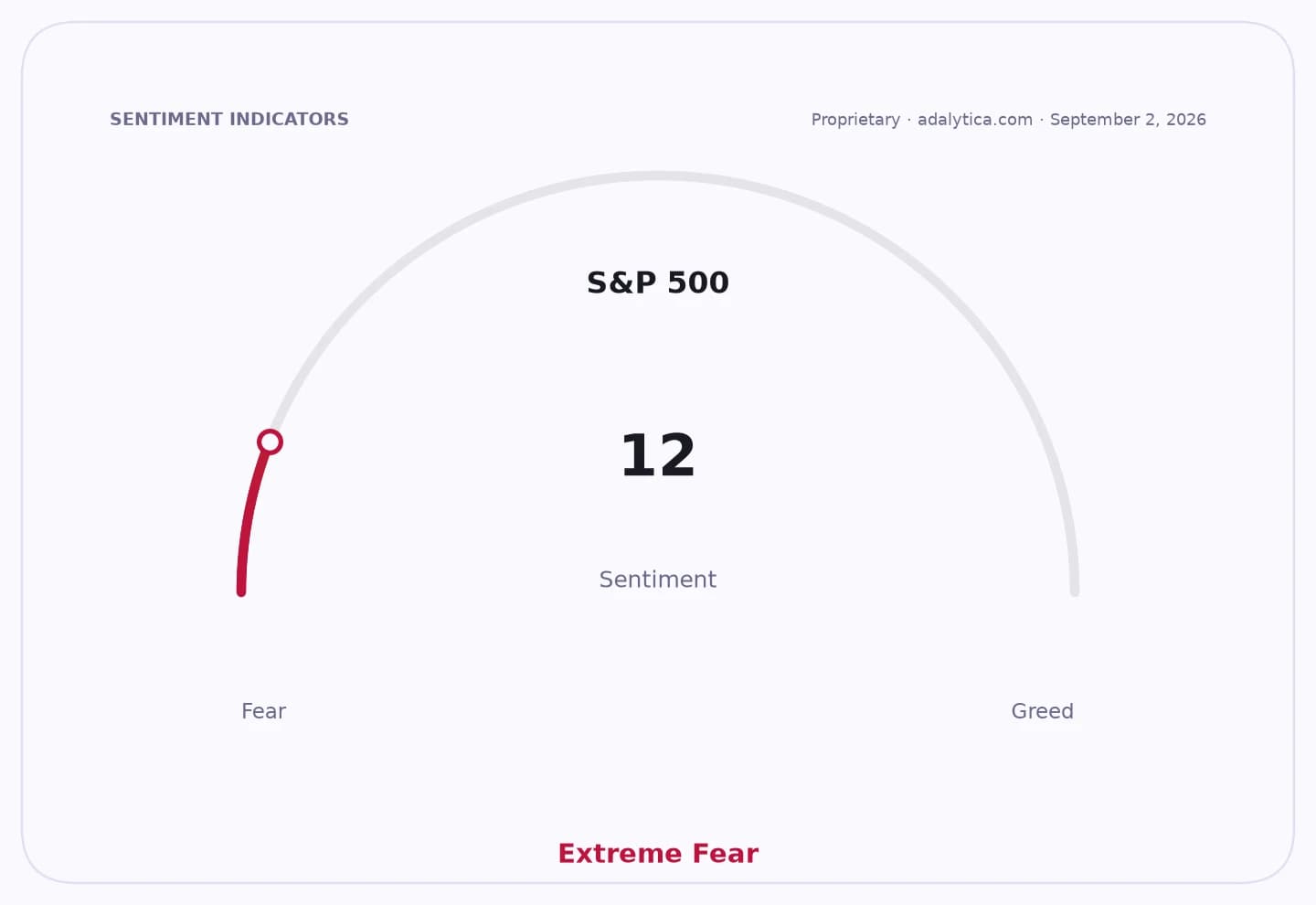
Sentiment IndicatorsⓘProprietary · adalytica.com · August 24, 2026
This is a snapshot — live sentiment, awareness and momentum for 130+ markets update continuously in the dashboard.Open AlphaPulse
The market still tends to treat the DMA as a one-time regulatory adjustment. I believe that is wrong. The law is designed to keep pressure on so-called gatekeepers over time, which means recurring intervention rather than a neat finish line. That shifts the investment debate from whether Big Tech can absorb a fine to whether Europe is quietly compressing the economics of some of the highest-margin businesses in the index.
The clearest evidence is in the companies’ own filings. Apple has warned that its DMA compliance plan has already been challenged by the European Commission and could face further challenges from private litigants, with significant fines and penalties for noncompliance. Meta has said the Commission’s decision may force further modifications to its model, potentially causing a materially worse user experience for European users and a significant hit to its European business and revenue. Google, meanwhile, has been managing the same broader regulatory overhang, even as its shares have climbed to about $349.31, still above both the 50-day moving average near $351.60 and the 200-day average near $333.13, but with momentum indicators showing the stock is no longer in a clean trend.
That is why this story matters well beyond Brussels. Europe is not just regulating tech; it is setting the terms of the next phase of platform capitalism. If the DMA forces more interoperability, more user choice and less self-preferencing, then the winners are not automatically the European consumer alone. The real economic beneficiaries may be smaller app developers, payment rivals, search competitors, ad-tech intermediaries and alternative distribution platforms that can pick up marginal share from the gatekeepers.
For the gatekeepers themselves, the risk is subtle but powerful: the law can reduce the efficiency of the ecosystems that made them so profitable. Apple shares are around $312, with the stock sitting just above its 50-day moving average and below its 200-day average near $281, showing investors have not fully priced in the long-run earnings drag from regulatory redesign. Meta is trading near $558 after a steep pullback from earlier highs, and its 200-day average around $623 underscores how much of its valuation now depends on rebuilding trust with both regulators and advertisers while preserving engagement.
Investors should view the DMA as a second-order capex and margin story, not just a legal story. Every mandated product change, appeal, user-facing adjustment and compliance function diverts management time and engineering capacity. That is a hidden cost in a market still paying for AI growth, cloud scale and platform dominance as if those moats are untouched. They are not. In Europe, the moat is being narrowed by law.
The bigger portfolio implication is this: the DMA does not kill Big Tech, but it does change the distribution of future returns. Europe may remain a must-own revenue pool for the giants, yet the asymmetric upside increasingly sits with the companies that benefit from fragmentation, choice and regulatory-driven opening of digital channels. That is where I would look for the next leg of opportunity as Brussels continues to redraw the map of online commerce, advertising and consumer tech.
| Entity | Gains | Losses |
|---|---|---|
| European consumers | ▲More choice, more control | ▼Less seamless product experience |
| Apple, Google, Meta | ▲Some compliance certainty | ▼Margin pressure, redesign costs |
| Smaller apps, ad-tech, payments rivals | ▲Better access to users | ▼N/A |
| Long Big Tech positions | ▲Selective resilience | ▼Europe-related earnings risk |