The federal government’s bid to force a breakup of Big Tech is falling short, and investors are treating that as the real verdict. Google’s latest antitrust penalty is expected to stop well short of structural changes, adding to a string of government losses that has left the biggest platform companies largely intact and their shares resilient.
Google antitrust remedies stay behavioral, not breakup

For investors, the significance is straightforward: Washington can still make the industry pay, but it has not been able to alter the economics of the core businesses. Google’s punishment in the ad-tech case is expected to amount to behavioral restrictions rather than a divestiture, mirroring a separate search monopoly ruling that also avoided a breakup. Google shares rose on the news, underscoring how much of the regulatory overhang is already discounted.
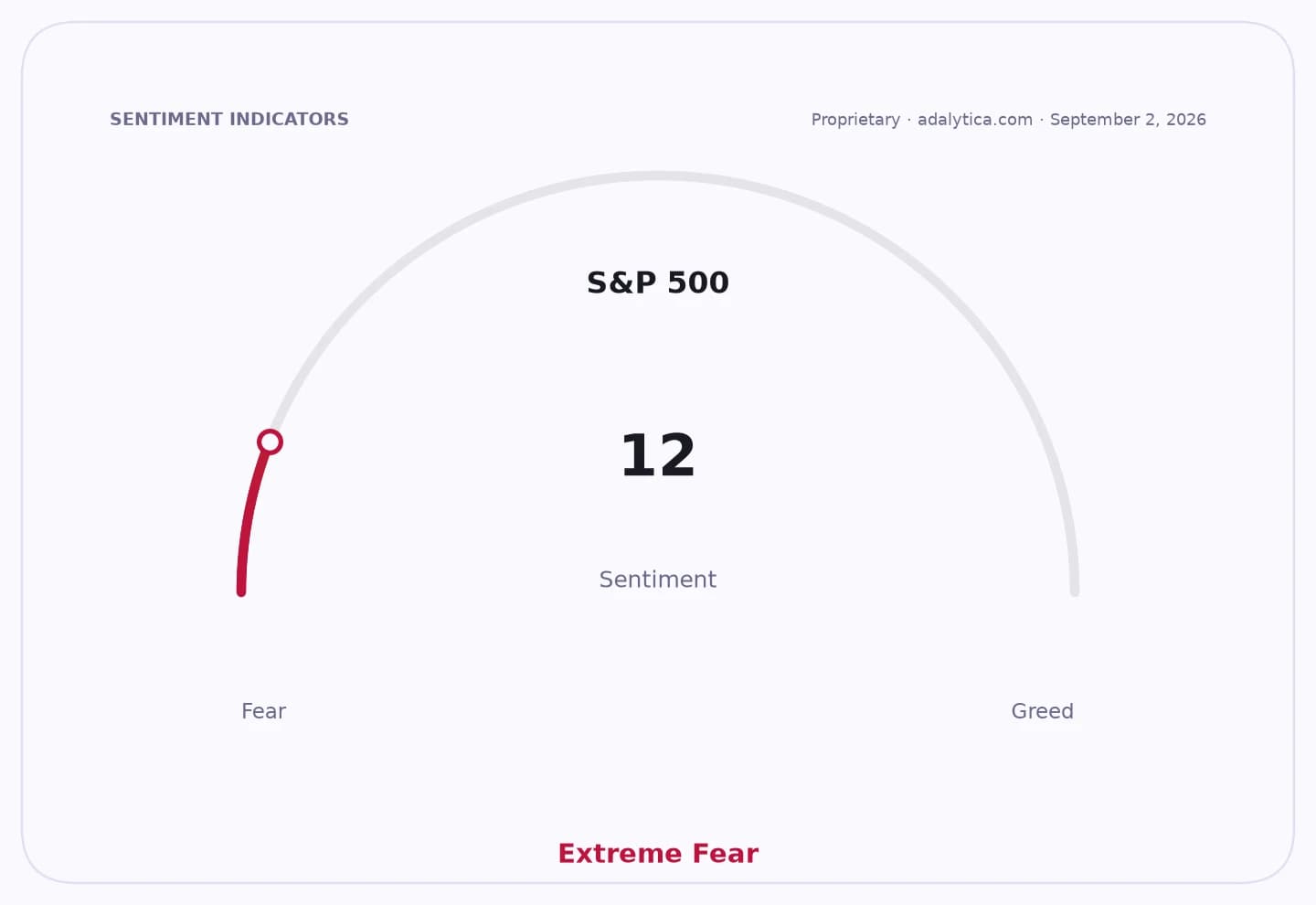
Sentiment IndicatorsⓘProprietary · adalytica.com · September 4, 2026
This is a snapshot — live sentiment, awareness and momentum for 130+ markets update continuously in the dashboard.Open AlphaPulse
The broader pattern matters because the US has now come away with little more than narrower operating constraints after years of courtroom fights. Meta beat the federal case seeking to unwind its Instagram and WhatsApp empire, while Microsoft’s acquisition of Activision Blizzard survived US efforts to block it. Even where regulators win, as in Google’s ad and search cases, the remedies are not aimed at the core cash engines that drive earnings and valuation.
That leaves investors focused on the practical cost of regulation rather than existential risk. Meta’s recent $18 billion settlement with US states over teen addiction claims was large in dollar terms but still welcomed by the market, because it did not change the company’s strategic direction. Alphabet faces a similar dynamic: the antitrust case appears to touch a shrinking slice of its ad business, not the AI buildout and cloud infrastructure that matter most to future growth.
The bigger economic implication is that the government may extract checks and compliance concessions, but it has not shown it can slow the capital spending, product expansion or AI race that define the next phase of the sector. That helps explain why Big Tech stocks can absorb fresh legal risk without derating sharply. It also suggests that state lawsuits, consumer cases and European scrutiny may keep producing headline liabilities without meaningfully changing the profit pool.
For now, the market is drawing a line between the old internet and the next one. Washington may be able to make Big Tech pay for past dominance, but the latest court outcomes suggest it is still not positioned to stop the same companies from dominating the AI era.
| Entity | Gains | Losses |
|---|---|---|
| ▲Avoids breakup risk | ▼Faces behavioral limits | |
| Meta | ▲Keeps Instagram and WhatsApp | ▼Ongoing legal bills |
| Microsoft | ▲Keeps Activision deal intact | ▼More regulatory scrutiny |
| US regulators | ▲Extracts remedies and fines | ▼Fails to reshape Big Tech |