A Chinese man’s lawsuit over a chatbot’s “auspicious” burial-date advice is a reminder that the fastest-growing risk in artificial intelligence may not be technical at all, but legal.
Chinese chatbot burial-date lawsuit raises AI liability
The case, filed against Beijing Chuntian Zhiyun Technology, may sound unusual, even tragicomic, but for investors it goes to the heart of a much larger question: who is responsible when AI systems influence real-world decisions and the advice goes wrong? As AI tools move from chat to contracts, legal drafting and everyday life choices, companies face growing exposure to disputes over liability, warnings, and the reliability of their outputs.
That matters because the economics of AI are still built on trust. The industry is spending heavily on models, chips and cloud infrastructure to win users and build scale, but any erosion of confidence can raise legal costs, slow adoption and force companies to add guardrails that make products more expensive to run. For a sector already under pressure to prove that massive AI investment will translate into durable earnings, even a small wave of lawsuits can have outsized consequences.
In this case, Shi, from Zhejiang province, said he consulted the chatbot after the death of his mother to find a burial date that would satisfy local customs. He later argued that the bot’s mixed advice and warnings helped fuel family discord and contributed to a misfortune he associates with the date. The company says its terms make clear that AI-generated content is only for reference and not professional advice.
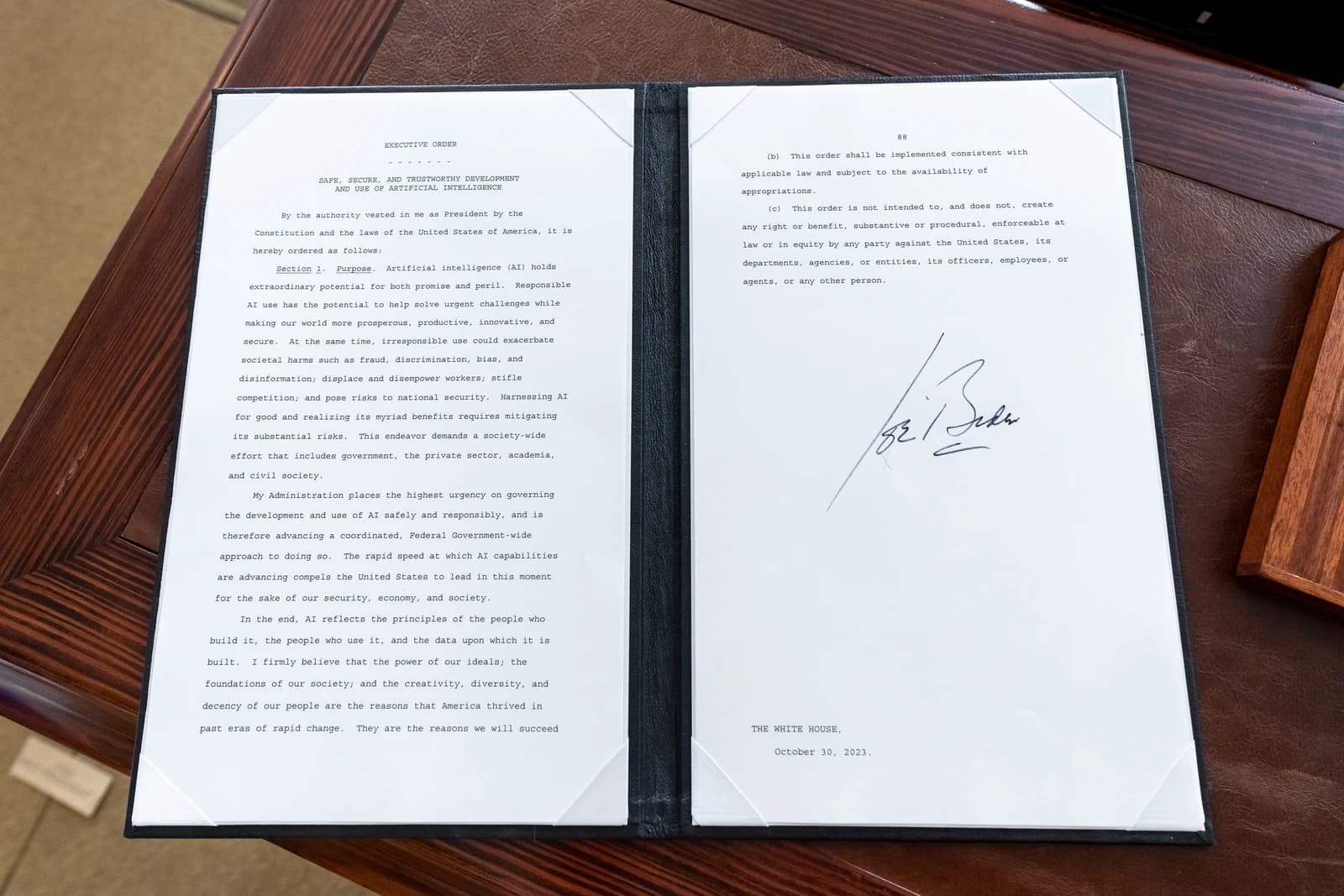
That defense is likely to become standard across the sector. But standard disclaimers do not eliminate risk. If users increasingly rely on chatbots for health, legal, financial or ceremonial decisions, courts and regulators may begin asking whether companies did enough to warn customers, review sources and limit foreseeable harm. That is especially important in China, where AI rules and consumer protection standards are still taking shape.
For investors, the story is less about the quirky facts than the precedent. AI leaders such as Microsoft, Nvidia and C3.ai are all exposed to a world in which every new use case can create new forms of liability. Microsoft, which has built AI into products across its software and cloud stack, already flags AI-related legal and regulatory risk in its filings. C3.ai, a more direct enterprise AI name, has similar exposure to disputes tied to business practices and software performance. Even Nvidia, while more insulated as a chip supplier, depends on an ecosystem of AI deployment that stays broadly trusted and commercially viable.
The market has largely rewarded AI execution and punished missteps, but this is one area where investors should think in years, not quarters. The companies best positioned to win the AI era will not only have the strongest models and the biggest compute budgets; they will also have the best safety systems, the clearest disclosures and the lowest litigation burden.
That makes this Chinese lawsuit worth watching. It is not likely to move the AI market on its own, but it captures a durable truth: the next phase of AI competition will be fought not just on intelligence, but on responsibility. For long-term investors, that is a moat issue as much as a legal one.
| Entity | Gains | Losses |
|---|---|---|
| AI firms with strong compliance | ▲Lower legal shock | ▼Less-trusted rivals |
| Chatbot users seeking convenience | ▲Faster answers | ▼Higher risk of bad advice |
| Plaintiffs and consumer advocates | ▲More accountability | ▼Easier disclaimers |
| Microsoft, Nvidia, C3.ai | ▲Safer AI adoption | ▼Litigation-driven costs |