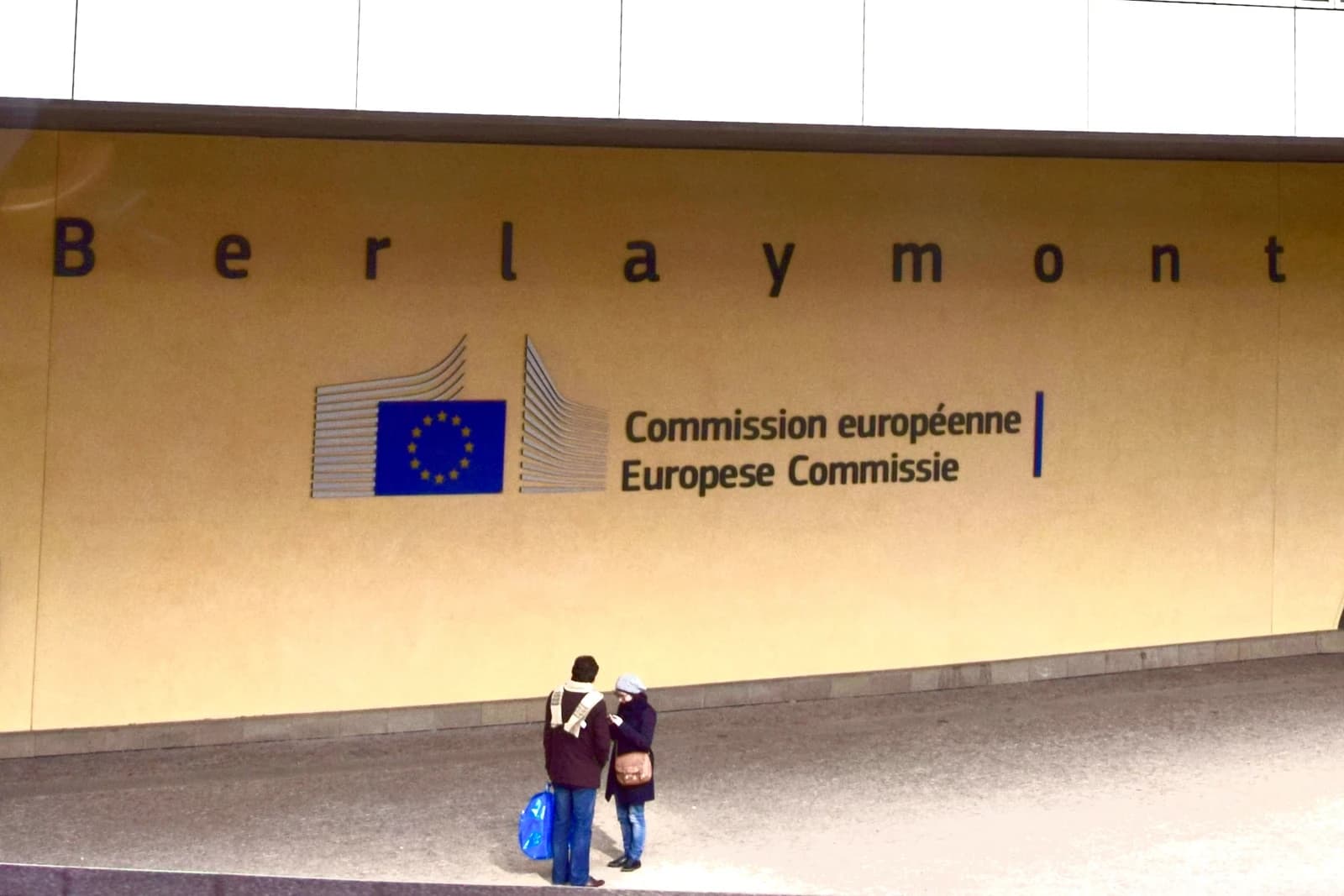
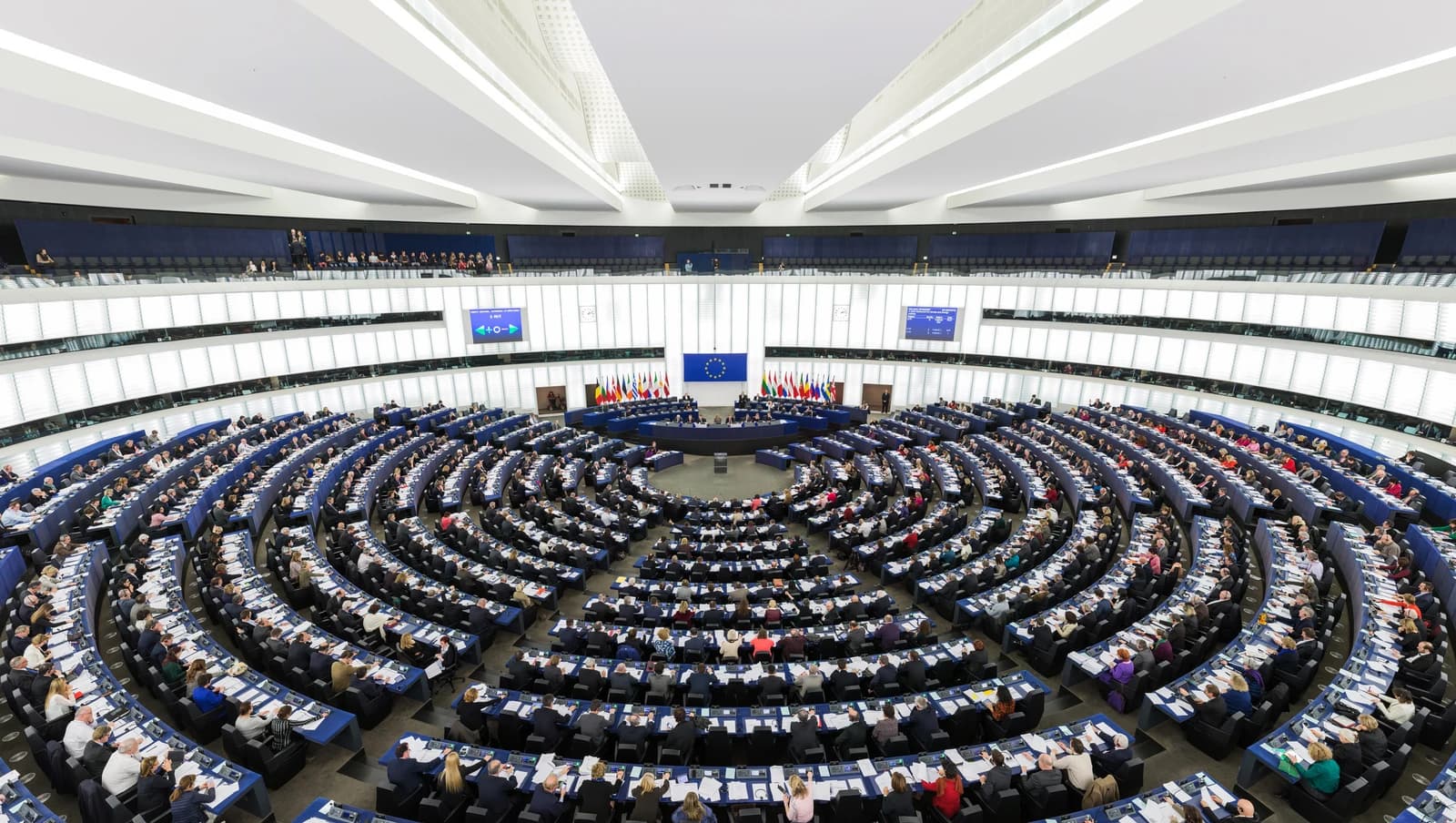
Europe’s leaders meet this week with the war in Ukraine, mounting pressure from China and a potentially larger EU budget all converging into a single test of the bloc’s strategic autonomy.
EU Leaders Meet on Ukraine Budget and China Trade
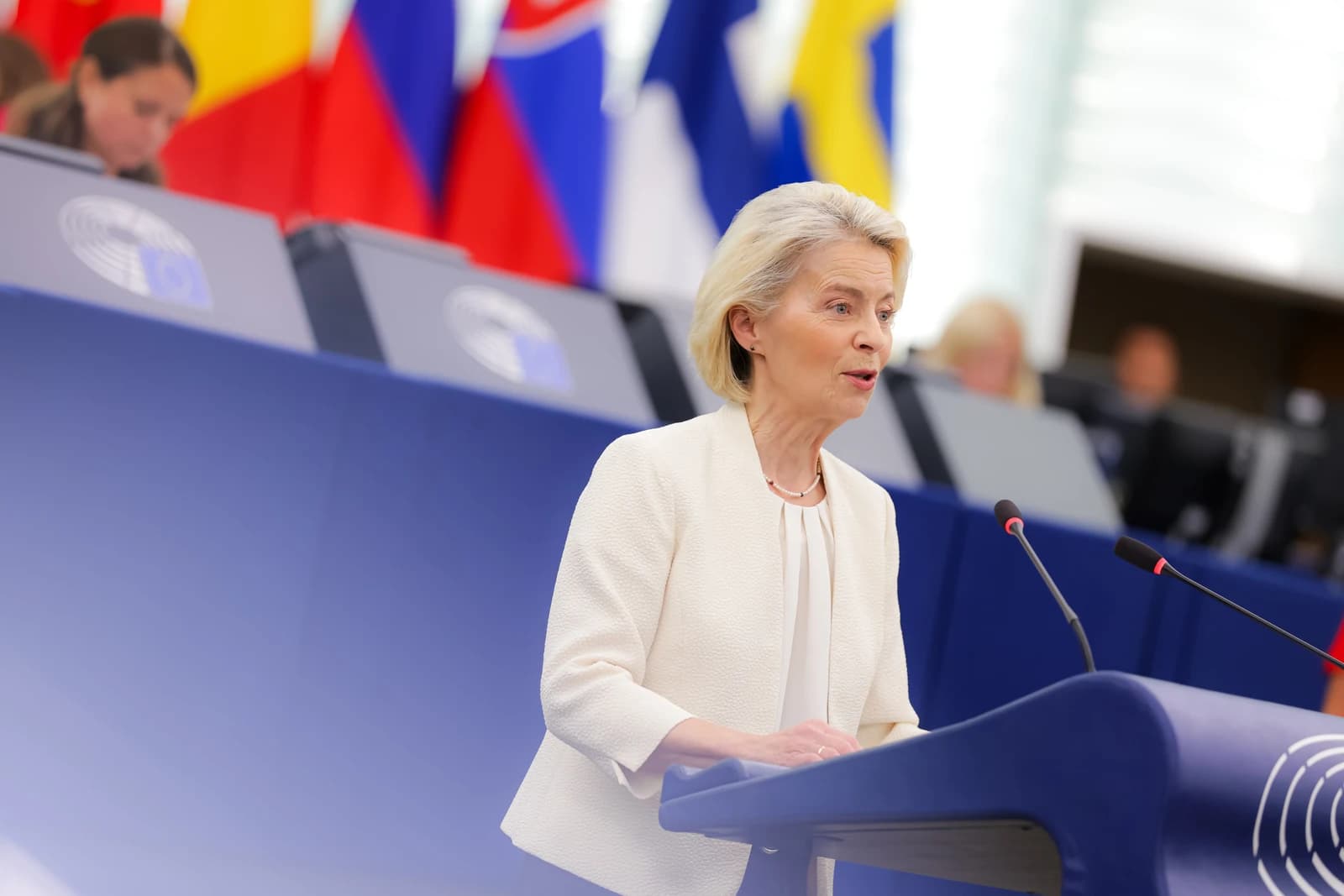
The two-day summit in Brussels is not just another foreign-policy gathering. It comes as the EU faces a harder transatlantic environment, a more adversarial trade relationship with Beijing and a widening gap in financing for Ukraine — all of which will feed directly into negotiations over the 2028-34 EU budget. That makes the meeting economically consequential well beyond diplomacy: it will shape how much fiscal room Europe has to defend itself, support Kyiv and protect its industrial base.
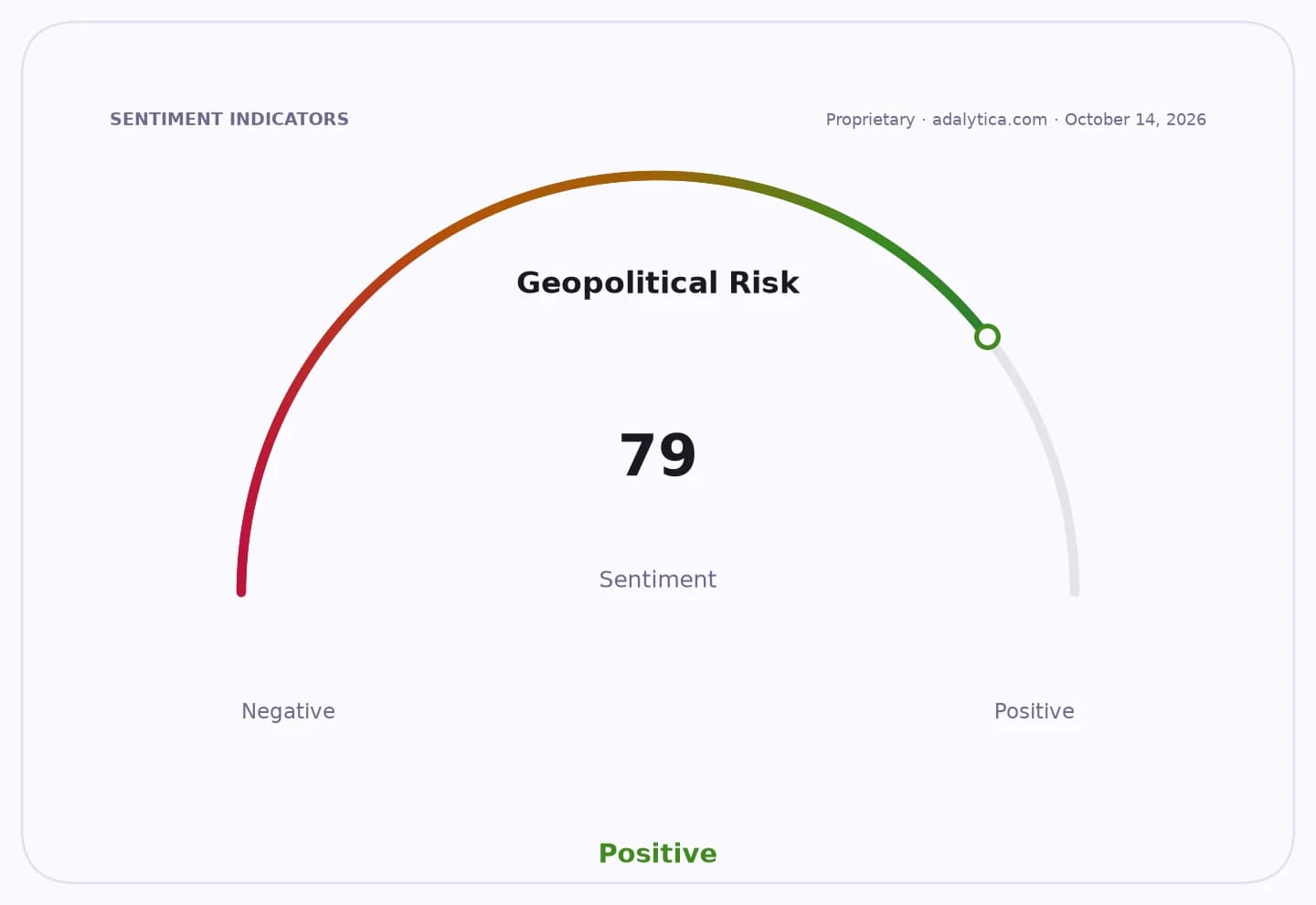
Sentiment IndicatorsⓘProprietary · adalytica.com · October 16, 2026
This is a snapshot — live sentiment, awareness and momentum for 130+ markets update continuously in the dashboard.Open AlphaPulse
The most immediate pressure point is Ukraine. EU officials have already promised 90 billion euros for 2026-27, but community estimates point to an additional 75 billion euro shortfall. That gap matters because Brussels is effectively being forced to choose between deeper common borrowing, larger national contributions or lower support levels at a moment when pro-Ukraine politics could weaken further before key elections in Spain, France, Poland and Italy in 2027.
A more fragile US relationship raises the stakes further. Donald Trump’s latest stance has revived fears in Europe that Washington could pull back support for Kyiv and tolerate arrangements that undermine sanctions pressure on Moscow. Reuters has also noted that the White House has signed an agreement with Russia on diesel supplies, a reminder that the sanctions regime is no longer a stable anchor for European strategy. For investors, the implication is that defense spending, energy security and fiscal policy are becoming more closely linked, with Europe under greater pressure to finance its own security backstop.
China is the other major fault line. Leaders are expected to discuss tighter trade defenses after a recent agreement to cap hybrid-car imports, but the bigger issue is the widening deficit. September data showed Europe’s trade gap with China jumping 52.3% on average, with France’s deficit up 251.8% and Germany’s 201.7%. That underscores the scale of the import imbalance and the risk to European manufacturers already facing weak demand and intense price competition from Chinese exporters. Brussels is now being pushed to accelerate anti-coercion tools and new diversification measures, which would matter for autos, industrials and any company reliant on Chinese inputs.
The summit also exposes a domestic political divide over how to pay for all this. Ahead of the meeting, 22 German business associations called for a “more substantial” EU budget — a notable signal that industry sees the next multi-year financial framework as more than a bureaucratic exercise. A larger budget could support defense, energy transition and supply-chain resilience, but it would also deepen the argument over who pays and how much leverage Brussels should have over spending.
Markets have so far treated the broader geopolitical backdrop as a risk premium rather than a crisis. Oil remains elevated, while the dollar has strengthened sharply in recent sessions, according to Adalytica trade signals, reflecting a flight to liquidity and demand for safe-haven assets. Gold has also retreated from recent highs, suggesting some investors are waiting for clarity rather than making a decisive defensive allocation. For equities, the issue is not just headline risk but margin pressure: tariff exposure, sanctions uncertainty and higher public spending needs all point to a more contested operating environment for multinationals.
The bull case for Europe is that the summit could accelerate a more coherent fiscal and trade response, making the bloc less vulnerable to US policy swings and Chinese overcapacity. The bear case is that leaders acknowledge the scale of the challenge without settling on the money or political capital needed to respond. Either way, the meeting is likely to influence not only the EU’s foreign policy posture but also the direction of its budget debate, industrial policy and risk assets tied to Europe’s growth outlook.
| Entity | Gains | Losses |
|---|---|---|
| EU institutions | ▲More strategic leverage | ▼Budget deadlock risk |
| Ukraine | ▲Higher aid prospects | ▼Funding shortfall |
| European industry | ▲Protectionist support | ▼China import pressure |
| US dollar / havens | ▲Safe-haven demand | ▼Risk assets |