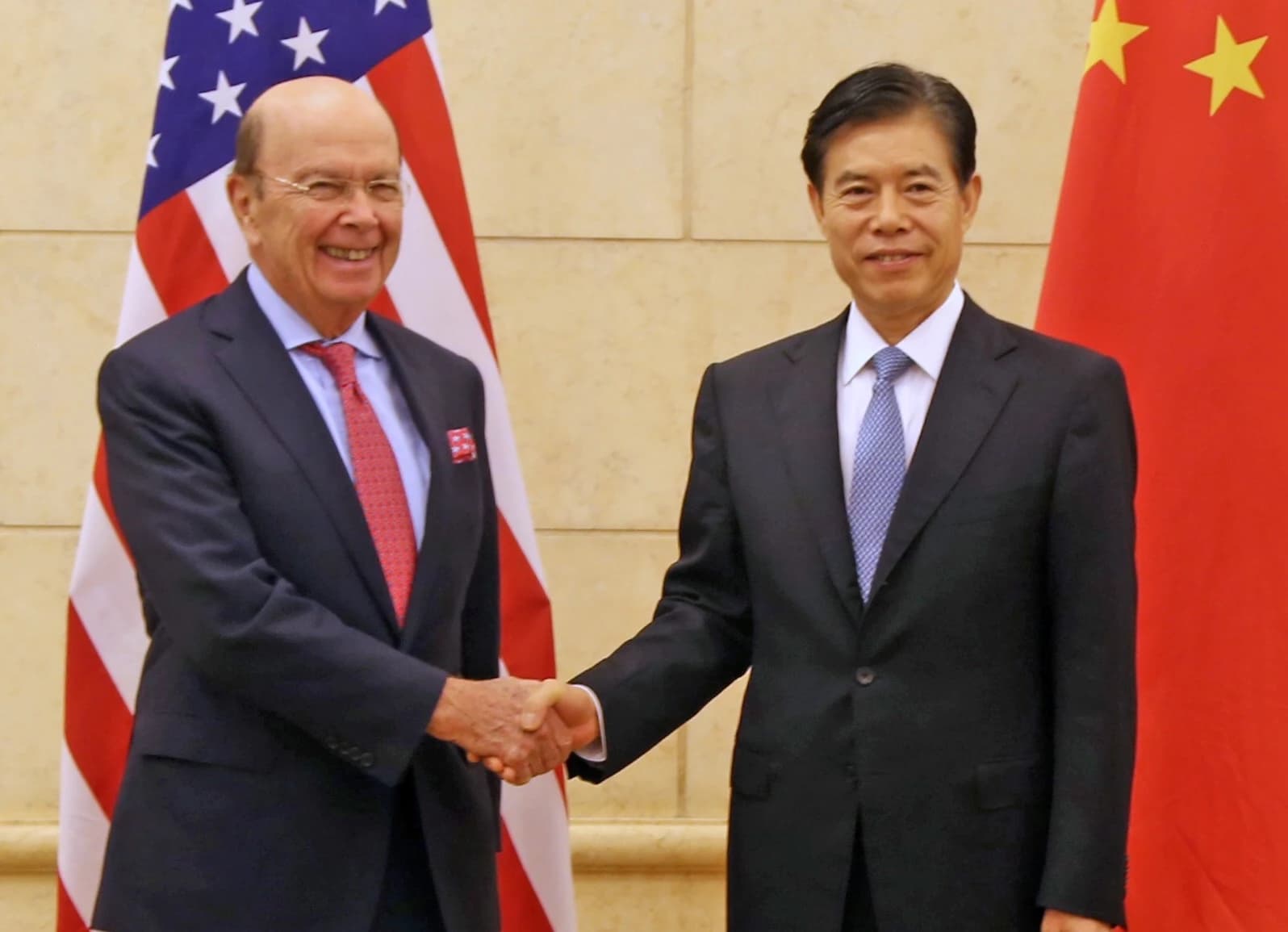
The European Union is shifting away from automatic new sanctions packages on Russia just as Washington is preparing another hardening of its own pressure campaign, a split that could reshape the battlefield for oil markets, defense spending and the next phase of the war economy.
EU Russia sanctions split boosts energy and defense trade
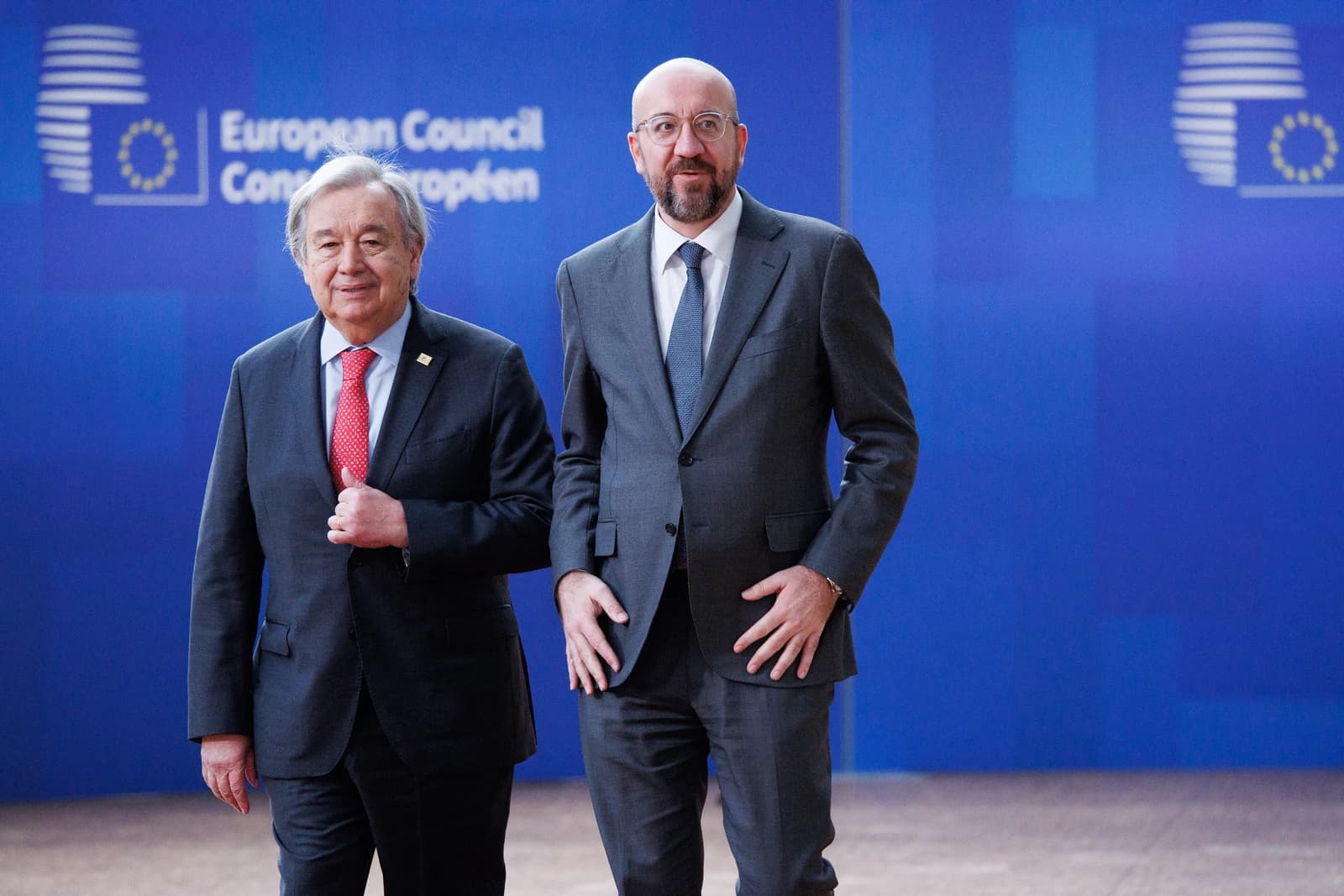
For investors, the significance is not simply diplomatic. A less aggressive EU sanctions track raises the odds of a more uneven, less predictable restrictions regime, which tends to keep energy and shipping markets volatile rather than truly shut. That matters because sanctions have become one of the clearest inputs into global crude pricing, European inflation and the earnings power of energy producers, drillers and defense contractors.
Sentiment IndicatorsⓘProprietary · adalytica.com · July 30, 2026
This is a snapshot — live sentiment, awareness and momentum for 130+ markets update continuously in the dashboard.Open AlphaPulse
The contrast with the US is stark. The Senate has already approved a tougher sanctions package aimed at Moscow, and the legislation is expected to be finalized before Congress breaks for its August recess. At the same time, Ukrainian President Volodymyr Zelensky said Kyiv and Washington have reached a breakthrough agreement to co-produce Patriot missile defense systems, underscoring that the Western response is splitting into two tracks: financial pressure from the US and military-industrial deepening.
That divergence matters economically because sanctions only work when they are coordinated, credible and broad enough to alter trade flows. If the EU steps back from successive package sanctions after already approving its 21st round, the market is left with a patchwork regime that may be less effective at constraining Russia, but still disruptive enough to distort flows of crude, refined products and industrial goods. In other words, the world gets the costs of sanctions without the clean break that policymakers often promise.
The market implication is that investors should not assume a simple bearish or bullish readthrough for energy. Instead, the more likely outcome is persistent risk premium. European hesitation can keep Russian barrels moving through indirect routes, while tighter US measures can still complicate settlement, insurance and logistics. That combination tends to support firms with pricing power and global trading reach, while leaving import-dependent refiners and transport-linked businesses exposed to sudden policy shocks.
That is where the equity setup gets interesting. The move favors the “picks-and-shovels” names across energy infrastructure, defense supply chains and selective oil services more than it does pure directional bets on crude. The recent strength in XLE and XOP reflects that investors are already paying up for the idea that geopolitics is not a one-off headline but a durable capex and margin story. Energy producers, drillers and service companies remain levered to any renewed squeeze in supply or replacement demand from non-Russian sources.
The other underappreciated beneficiary is defense. The Patriot co-production deal signals that Europe’s strategic response is moving from sanctions alone toward industrial rearmament and joint procurement. That supports a multi-year investment thesis in missile defense, aerospace and European defense platforms, where order books can expand faster than consensus expects if the war drags on and transatlantic policy stays fragmented.
Adalytica’s Global Stability Sentiment snapshot still points to elevated geopolitical tension, even as awareness remains extremely low — a setup that often precedes market complacency around policy shifts. In the euro complex, the signal is mixed: trade sentiment remains neutral, but the recent swings show investors are still reassessing how much of Europe’s energy bill and industrial cost base is hostage to sanctions policy.
My view is that the market underestimates the second-order effect of the EU’s change in posture. This is not just about whether another sanctions package gets written. It is about whether Europe is quietly moving from broad punitive measures to a more selective, managed-containment strategy that preserves room for energy stability and industrial competitiveness. If that is the path, then the winners are the energy producers, infrastructure names and defense contractors that benefit from a prolonged geopolitics premium.
The actionable takeaway: stay overweight the beneficiaries of prolonged conflict economics — energy, defense and critical infrastructure — and treat any easing in European sanctions rhetoric as a reason to buy the volatility, not fade it.
| Entity | Gains | Losses |
|---|---|---|
| US sanctions policy | ▲More leverage over Moscow | ▼Less EU coordination |
| Energy producers & service firms | ▲Higher risk premium, pricing power | ▼Sanctions-driven demand swings |
| Defense contractors | ▲Bigger procurement pipeline | ▼No direct downside from escalation |
| EU importers/refiners | ▲Potentially fewer fresh sanctions shocks | ▼Ongoing policy uncertainty |