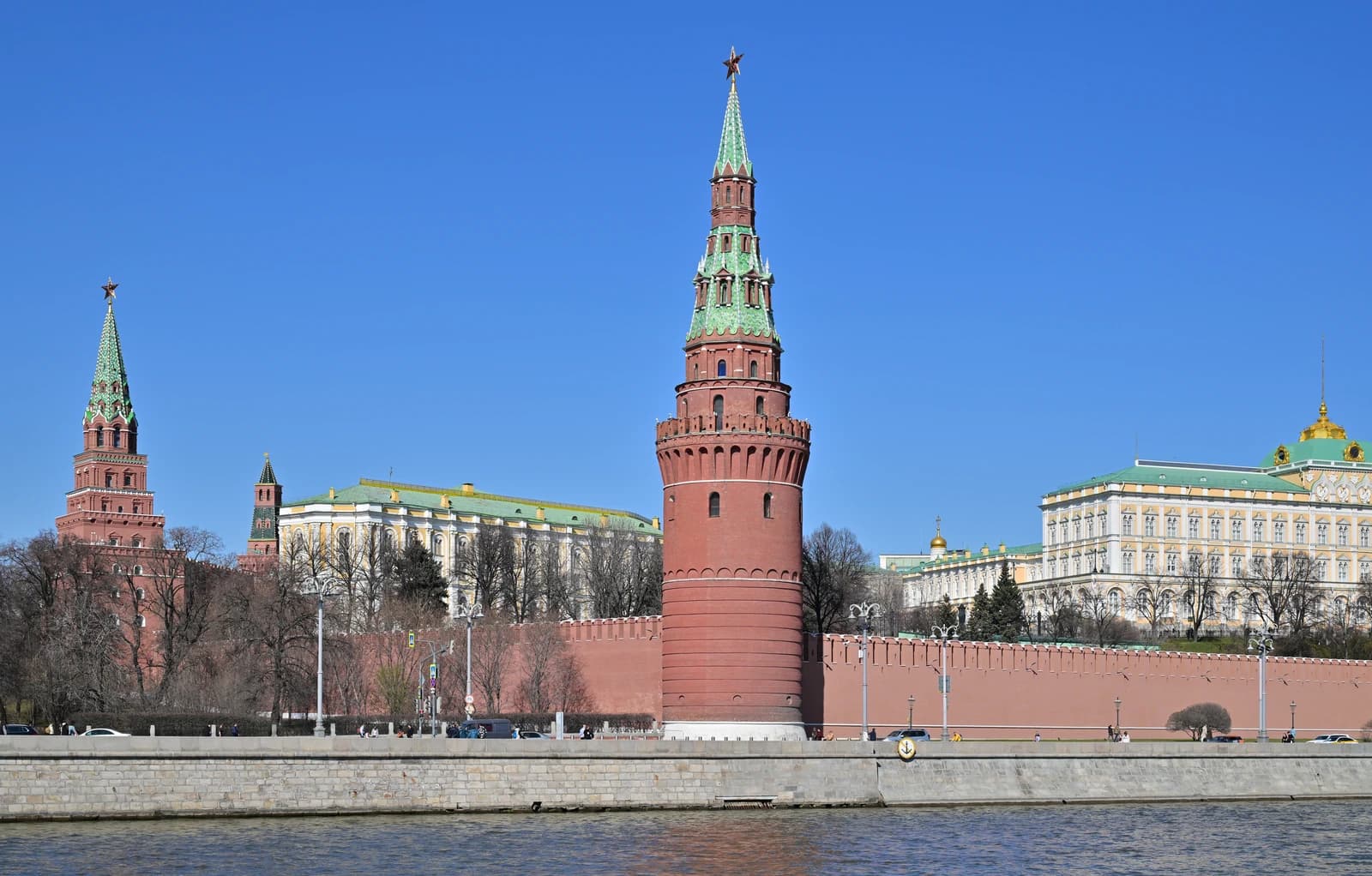
The European Union’s latest sanctions on Russia are deepening the economic squeeze on Moscow even as the Kremlin tries to frame the pressure as a political campaign aimed at countries like Serbia.
EU Sanctions on Russia Widen Financial Pressure
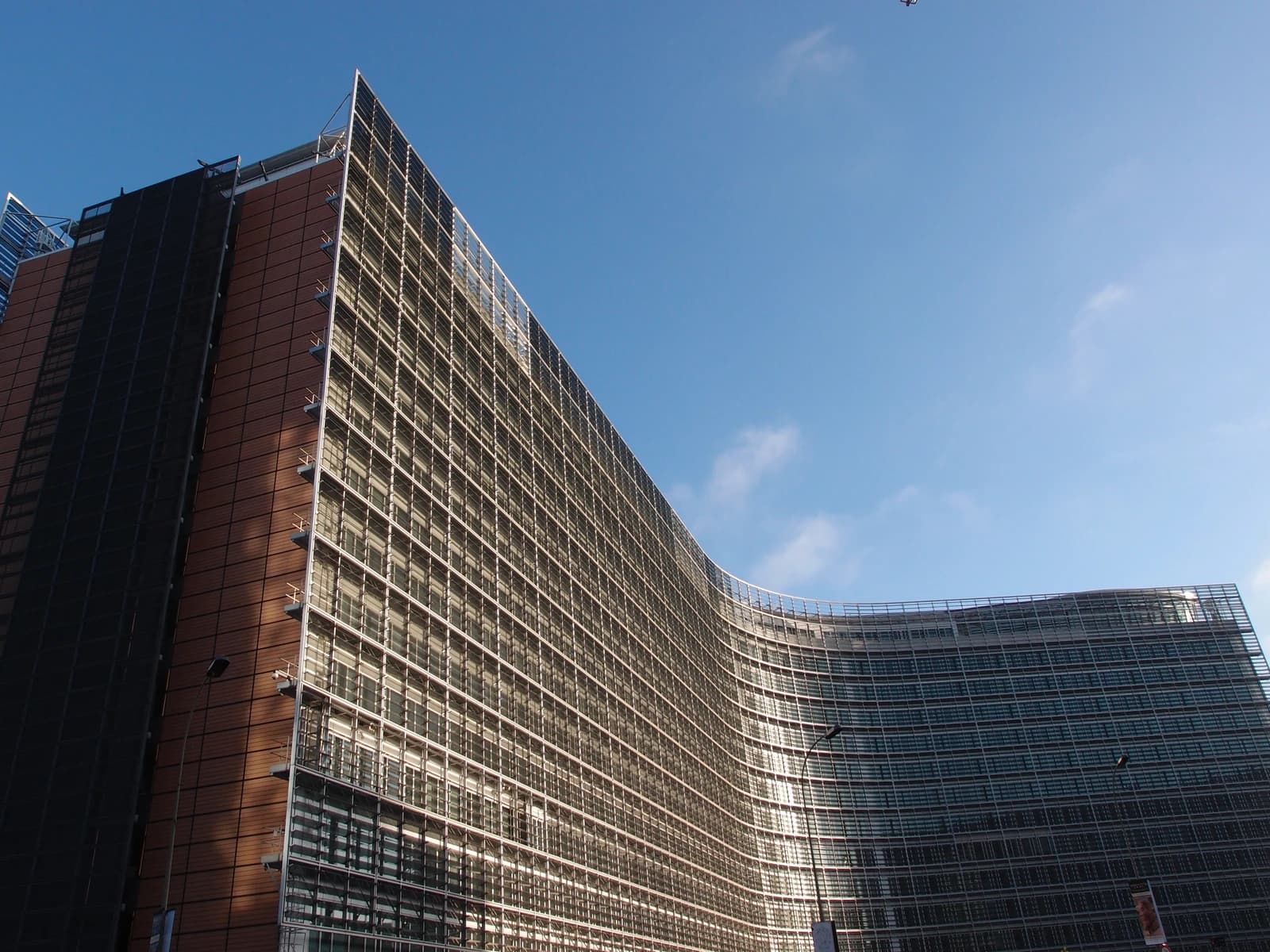
That matters because sanctions are one of the few tools Europe still has to weaken Russia’s war economy without direct military escalation. They also raise the cost of staying outside the Western camp for countries in the region, especially Serbia, which has tried to balance ties with both Brussels and Moscow. For investors, the story is less about one headline and more about the durability of Europe’s sanctions regime, the risk of wider diplomatic friction in the Balkans and the knock-on effects for energy, banking and cross-border trade.
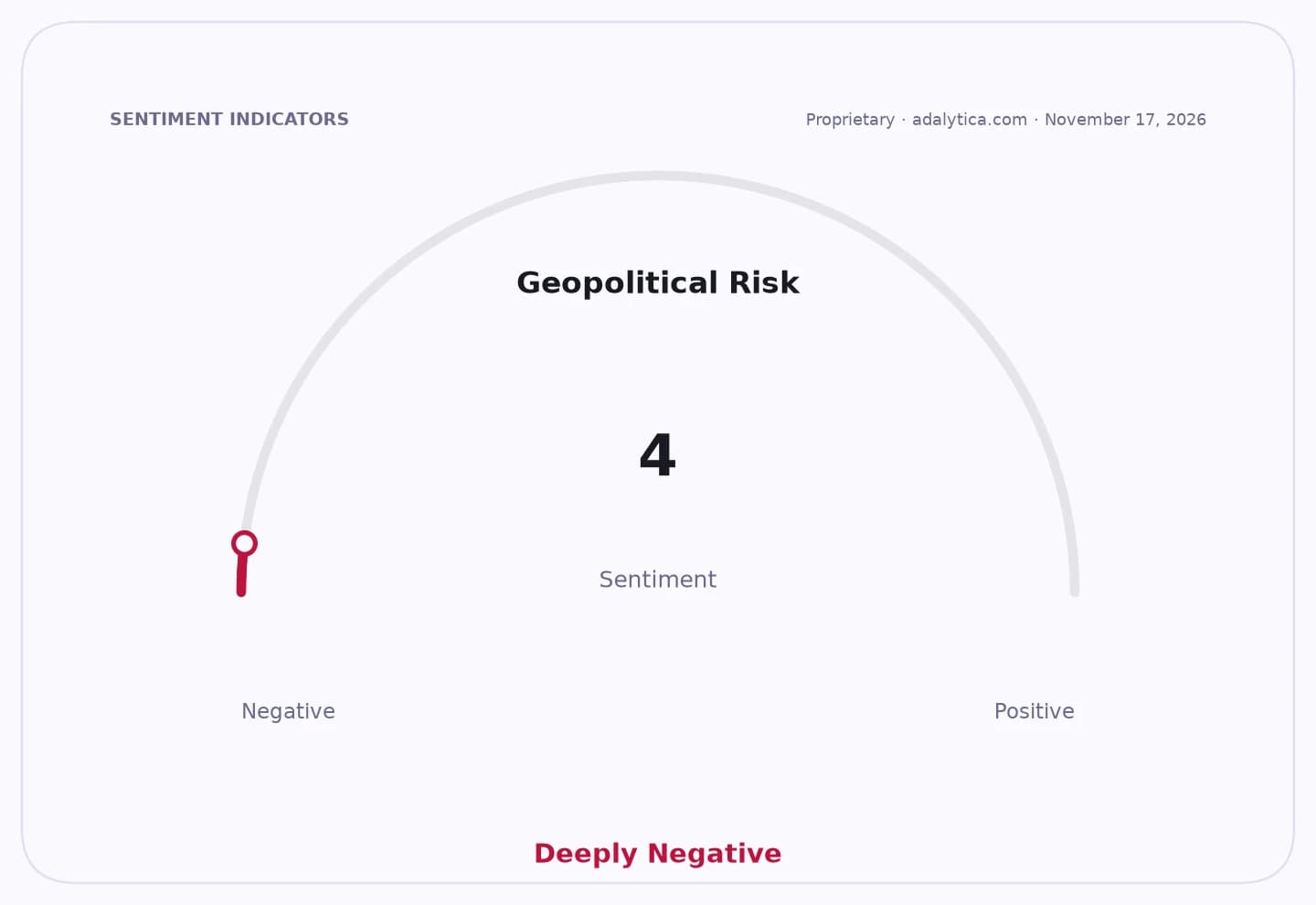
Sentiment Indicators
Brussels’ newest round targets banks, energy companies and disinformation networks, underscoring that the EU is still widening the economic perimeter around Russia rather than easing it. Among those hit is Tatyana Kim, Russia’s richest woman, whose net worth is estimated at $8.1 billion, a reminder that the sanctions are reaching further into the country’s private sector as well as its state-linked industries. The message from Europe is straightforward: financial isolation is going to continue, and it will keep moving deeper into the corporate ecosystem that supports the Russian economy.
For investors, that has several implications. European companies with exposure to Russia remain hostage to policy risk, while banks and payment networks operating across Eastern Europe must continue to navigate compliance costs and asset-freeze risks. Energy markets can also react to any measure that tightens flows, finances or logistics, even if the sanctions are not aimed directly at supply volumes. The broader geopolitical risk premium stays alive whenever the EU signals it is willing to use sanctions not just as punishment, but as leverage in peace talks and regional alignment.
Serbia is the crucial swing state in this narrative. Moscow’s accusation that the EU is pressuring Belgrade to join sanctions shows how Brussels is trying to close remaining gaps in the bloc’s Russia policy. If Serbia eventually moves closer to the EU line, that would strengthen Europe’s diplomatic front and make Russia’s regional influence harder to sustain. If it resists, the standoff could keep the Balkans in the middle of a wider contest between East and West.
The long-term investor takeaway is simple: sanctions are not a one-off event, they are a slow-burn macro force. They can reshape trade routes, financing conditions and country risk for years. That makes this a story to watch closely, especially for investors with exposure to European banks, energy, industrials and emerging-market assets tied to the Balkans.
| Entity | Gains | Losses |
|---|---|---|
| EU / Brussels | ▲Greater policy leverage | ▼Higher diplomatic friction |
| Russia | ▲Short-term nationalist narrative | ▼Tighter financial isolation |
| Serbia | ▲Potential EU alignment benefits | ▼Pressure to choose sides |
| Energy & banking investors | ▲Volatility opportunities | ▼Compliance and sanctions risk |