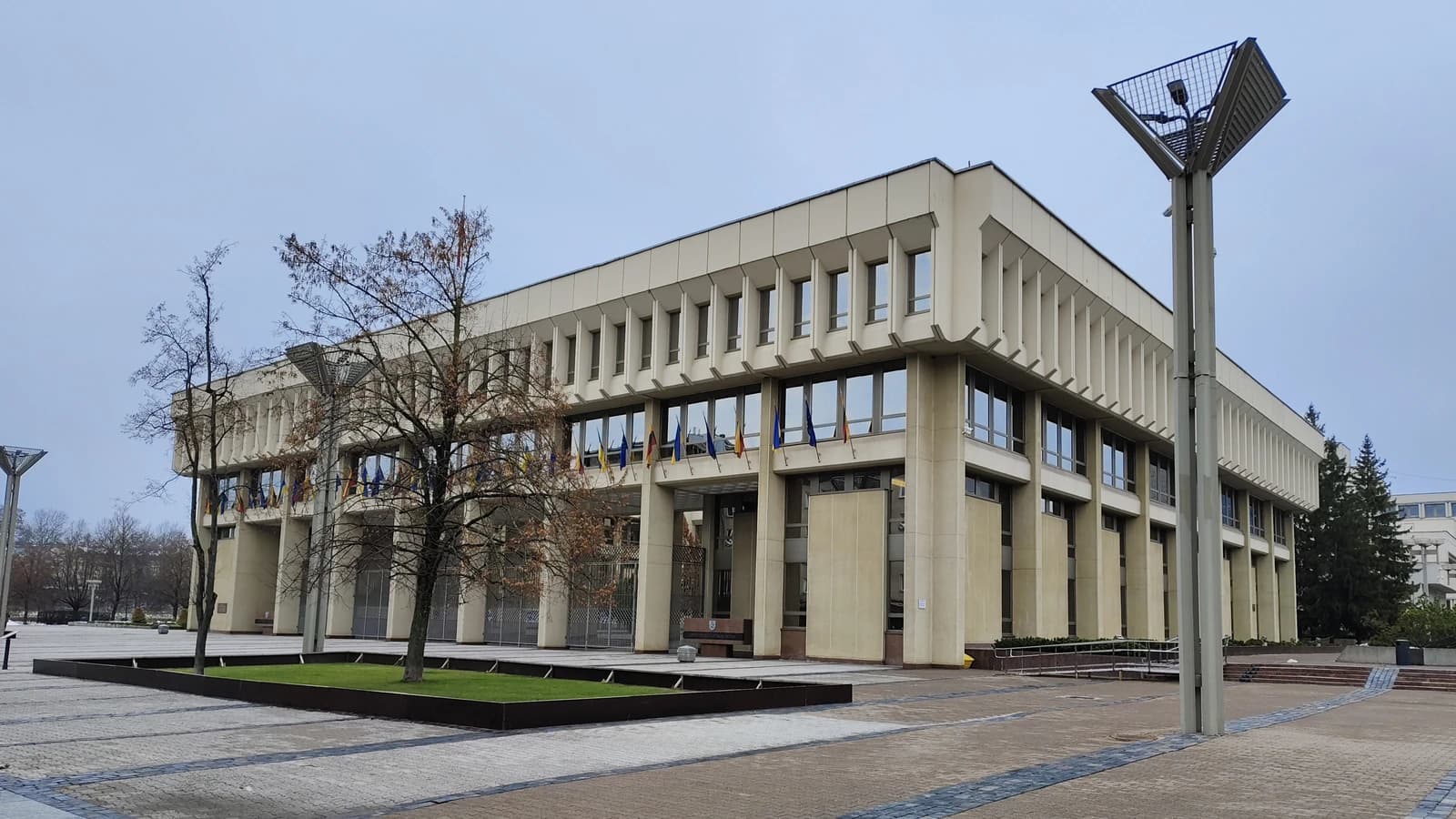
Latvia’s parliament has rejected formal cooperation with the legislatures of Belarus and Russia, a move that deepens the region’s diplomatic isolation of Moscow and Minsk as security risks in the Baltic Sea remain elevated.
Latvia Rejects Parliamentary Ties With Russia, Belarus
The Seimas said it would not create parliamentary friendship groups with either country in the current term, framing the decision as a response to Russia’s war against Ukraine and Belarus’s support for it. In practical terms, the vote adds another layer to the political and economic firewall the Baltic states and wider European Union have built around the two regimes since the invasion began.
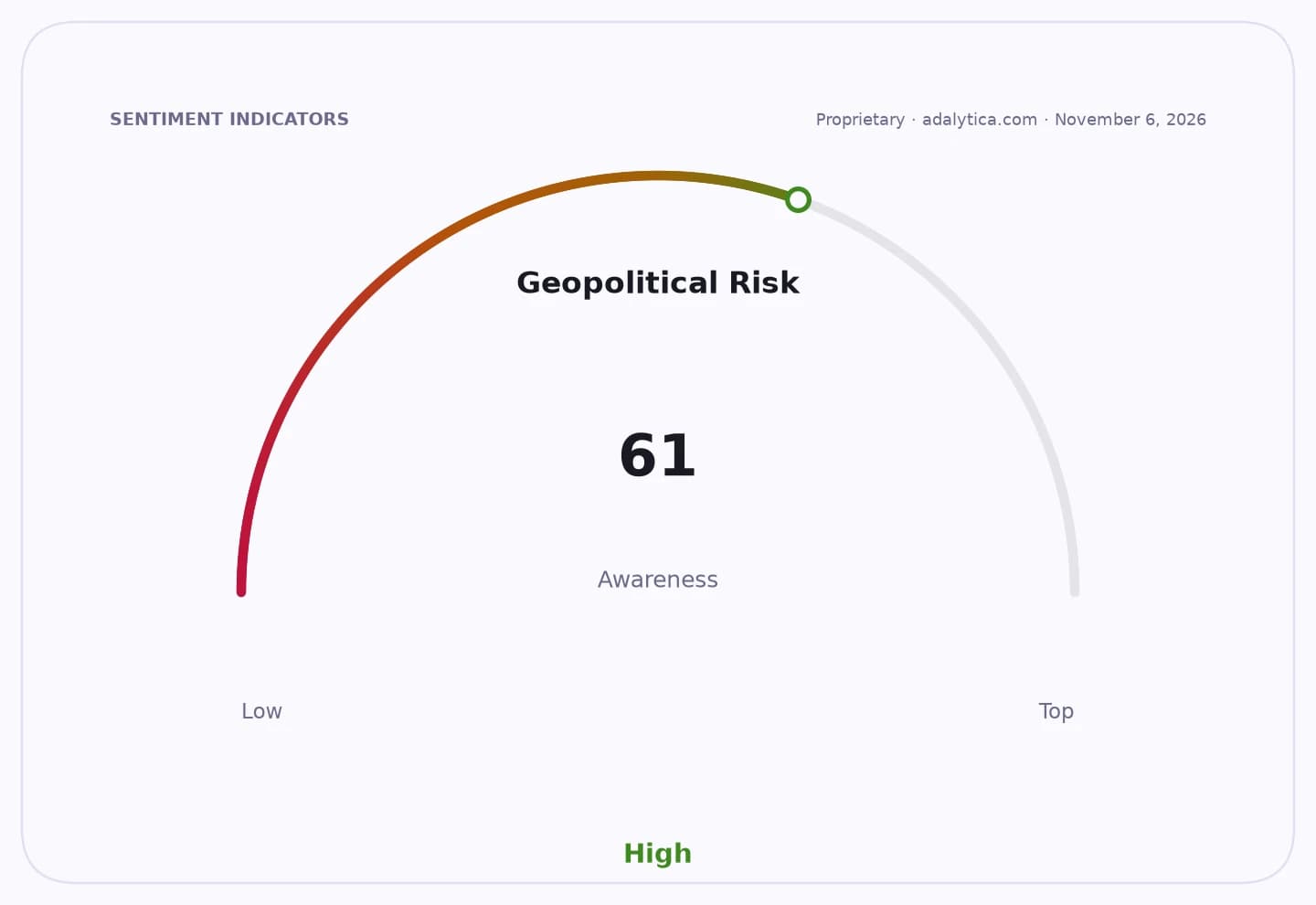
Sentiment Indicators
That matters because parliamentary ties are usually symbolic, but symbolism is now part of the policy toolkit in Eastern Europe. Riga is signalling that there is no appetite for normalization while Russian troops remain in Ukraine and Belarus is seen as aiding the war effort. The decision also reinforces the sanctions architecture already in place from the EU and the U.S., keeping pressure on trade, transport and financial channels linked to both countries.
For investors, the immediate market effect is limited, but the broader implication is a sustained risk premium across the Baltic region. The geopolitical backdrop has already become more fragile after Finland accused a Russian captain of sabotage in the Baltic Sea and as Moscow warns of disruptions to regional shipping. That combination keeps attention on logistics, insurance and energy flows in Northern Europe, where any escalation can ripple through freight rates and sentiment.
The development also fits a wider pattern of European governments hardening institutional relations with Russia and Belarus rather than leaving room for back-channel parliamentary engagement. For companies with exposure to the region, the message is that sanctions enforcement, border frictions and maritime security concerns are unlikely to ease soon.
The Baltic states have been among the most hawkish European voices on Russia since 2022, and Latvia’s vote suggests that stance remains intact even as fatigue grows elsewhere in Europe. Unless there is a major change on the battlefield or in Minsk, the political divide is likely to stay entrenched, keeping geopolitical uncertainty elevated for investors with exposure to the region.
| Entity | Gains | Losses |
|---|---|---|
| Latvia / Seimas | ▲Political alignment with EU allies | ▼Scope for dialogue with Moscow and Minsk |
| Ukraine | ▲Stronger diplomatic backing | ▼Nothing material |
| Russia / Belarus | ▲None | ▼Prospects for normalization |
| Baltic shippers / insurers | ▲Higher vigilance may support risk pricing | ▼More geopolitical uncertainty |