EU soybean imports for the 2026/27 season were running 4% below a year earlier at the start of November, a sign that Europe’s livestock and crush industries are entering the new marketing year with softer buying appetite even as global oilseed supplies remain abundant.
EU Soybean Imports Fall 4% by Nov. 1
The European Commission said the bloc had imported 4.06 million tonnes of soybeans by Nov. 1, down from the same point last year. Soymeal imports were down 15% and palm oil shipments fell 19%, while rapeseed imports were unchanged. The data matter because the EU is one of the world’s biggest buyers of protein feed and vegetable oils, so shifts in its import pace feed directly into demand for US, Brazilian and Ukrainian exports, as well as margins for European crushers and feed manufacturers.
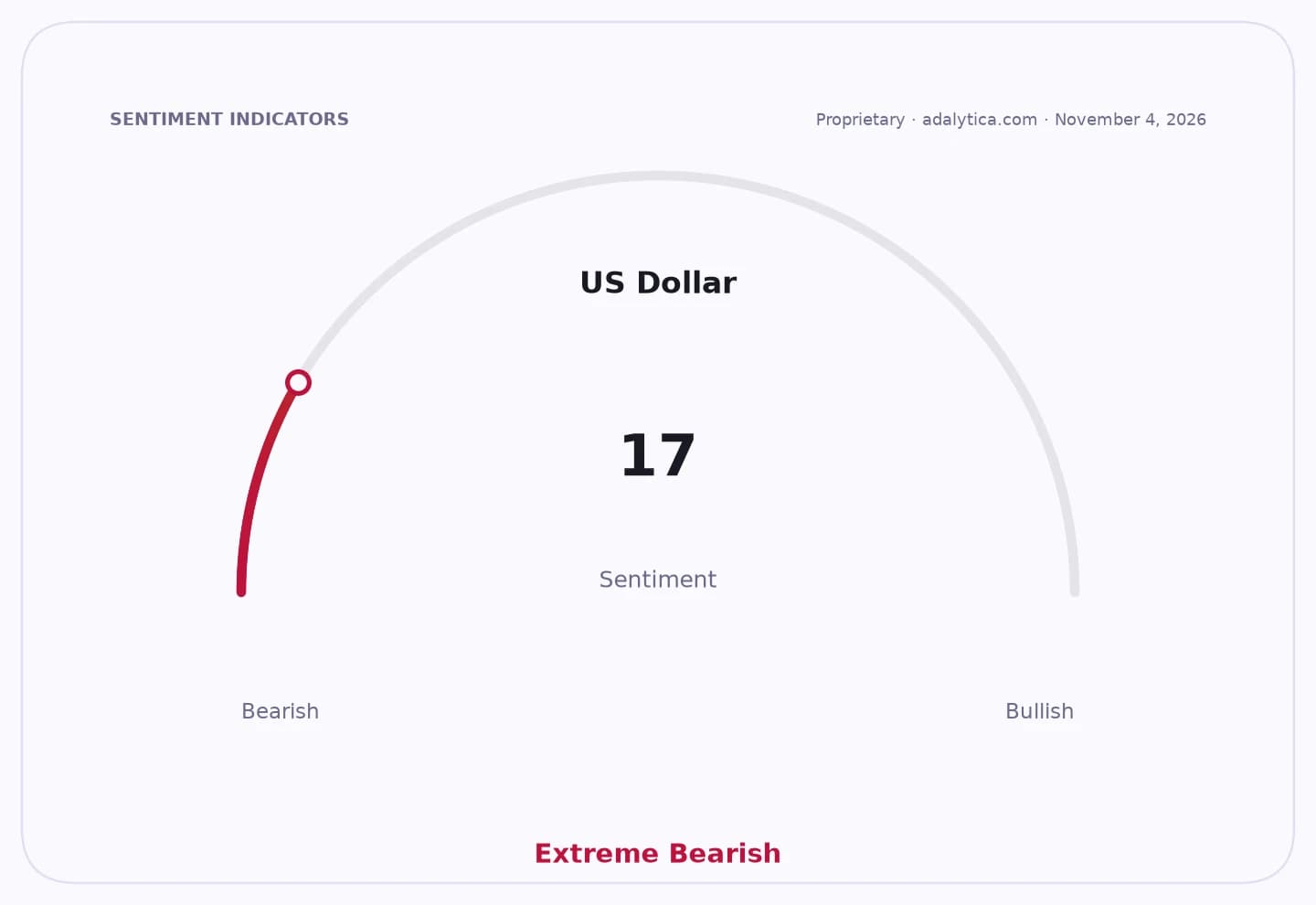
Sentiment Indicators
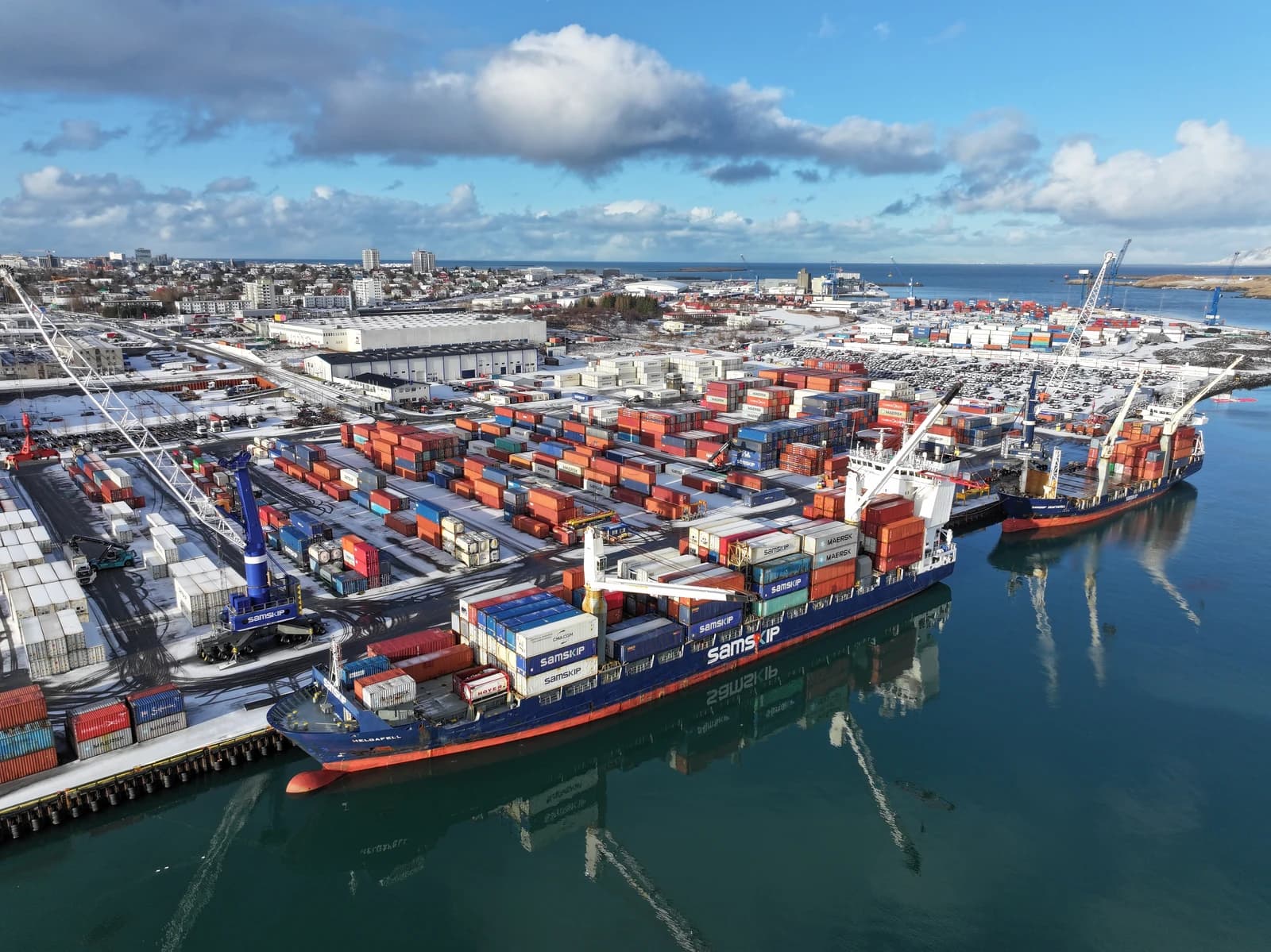
Brazil remained the dominant soybean supplier to the bloc, with 3.08 million tonnes shipped so far, far ahead of the US at 615,424 tonnes. That split underscores the EU’s continued reliance on South American supply even as US exporters compete to regain market share. For crushers and feed buyers, the mix also helps determine the cost of meal and oil output across Europe, where livestock producers are watching input costs closely after a volatile year for grains and energy.
The broader oilseed complex has been softening. Crude oil’s recent slide has pressured vegetable oils, including soybean oil and palm oil, while weaker Chinese demand and large inventories have also weighed on the global soybean market. In that environment, the EU’s slower import pace is less a one-off than another signal that end-user demand is not absorbing supply at the rate traders had hoped.
For investors, the implications run through agribusinesses, freight and commodity-linked funds. A slower EU buying pace can cap rallies in Chicago soybean futures and keep a lid on crush margins, while exporters in Brazil and the US may have to compete harder on price to secure business. It also reduces the chance of a near-term supply squeeze in Europe, easing pressure on feed costs but limiting upside for oilseed prices.
The next catalyst is whether the import slowdown persists into the winter buying season. If EU purchases remain below year-ago levels while South American exports stay strong, soybean and meal prices could stay range-bound, leaving the market dependent on weather, Chinese demand and energy prices rather than European import growth to set the tone.
| Entity | Gains | Losses |
|---|---|---|
| EU feed and livestock buyers | ▲Lower input costs | ▼Less urgency to secure supply |
| Brazilian exporters | ▲Still dominant supplier | ▼Slower EU growth limits upside |
| US soybean exporters | ▲Potential share gains if pricing improves | ▼Weak EU demand curbs volumes |
| Soymeal and soybean futures bulls | ▲More room for a price floor | ▼Smaller chance of a rally |