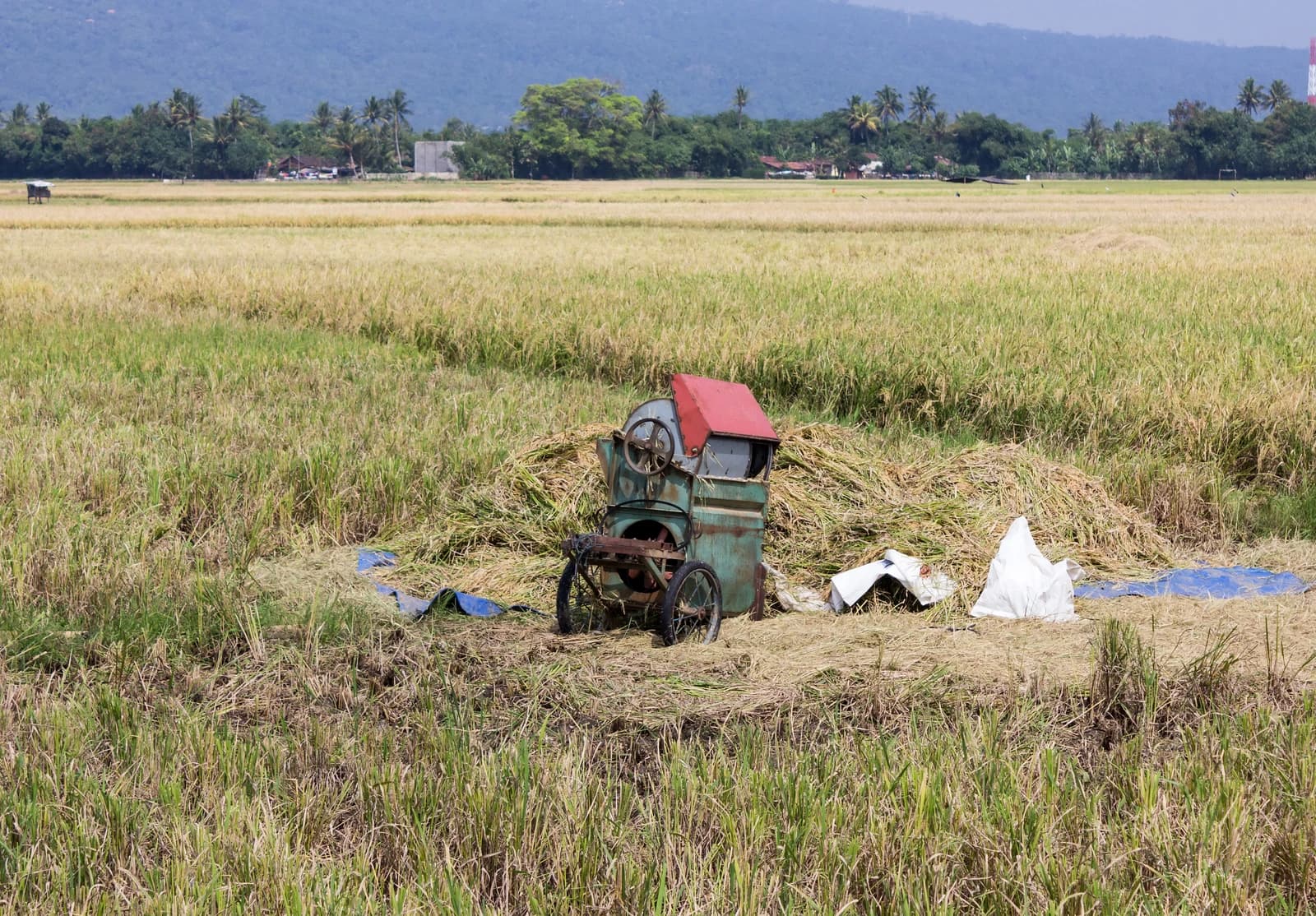
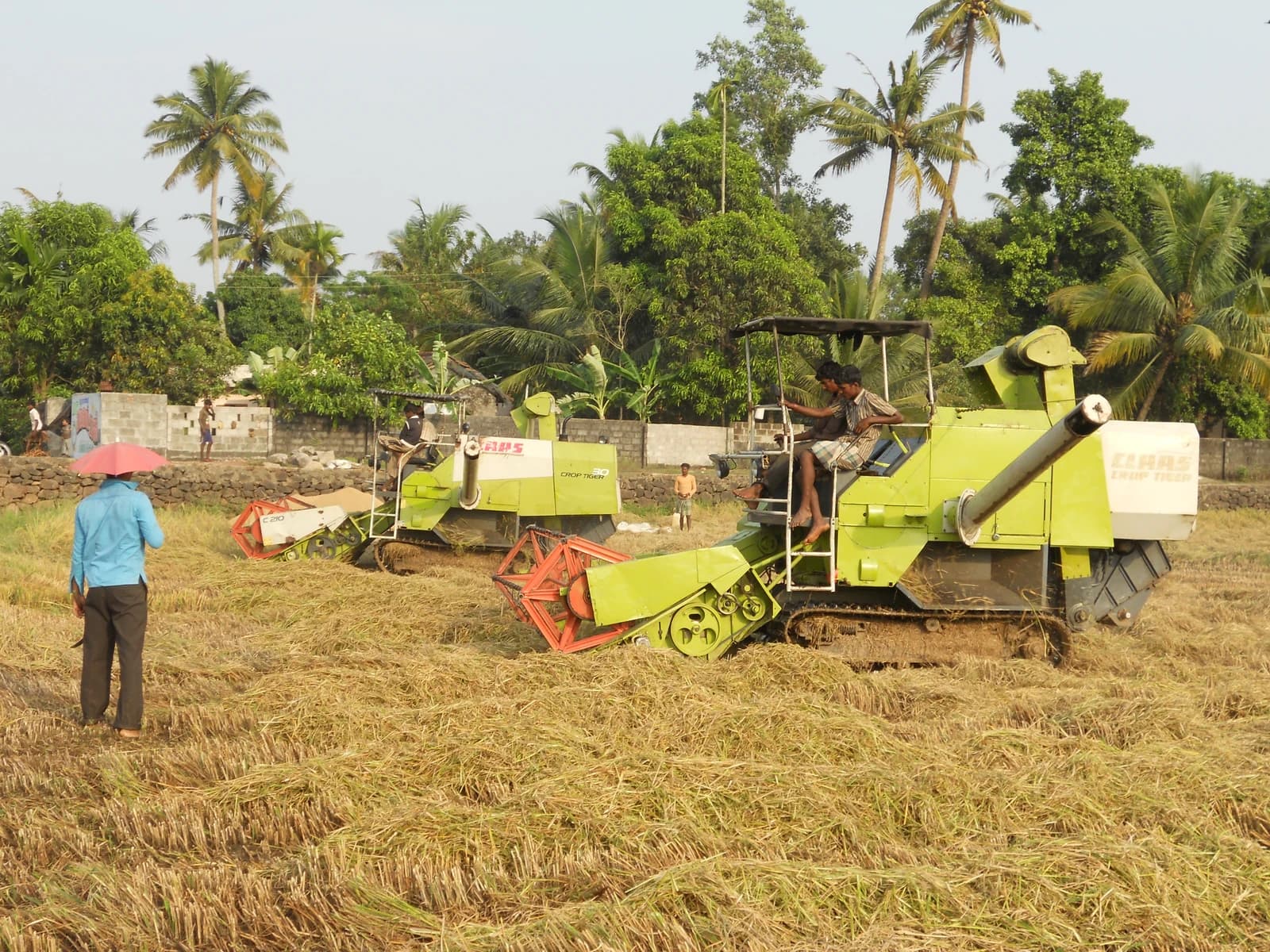
Indonesia’s Navy has helped turn 119 hectares of land in Banyuwangi into a soybean showcase, with 61 hectares already harvested for 105 tons as Jakarta pushes to reduce reliance on imported edible crops and strengthen food security.
Indonesia Navy Grows Soybeans in Banyuwangi
The project, carried out by the TNI AL with the local government in East Java, highlights a broader drive to lift domestic soybean output in a country that relies heavily on imports for a key protein source used in tofu and tempeh production. For policymakers, even modest gains matter because soybeans are strategic for food inflation, rural incomes and the trade balance.
The harvest comes as global agricultural markets remain volatile. Soybean-linked funds such as the iShares Agriculture ETF, tracked by the DBA, have been supported by supply concerns in parts of the year but remain sensitive to currency moves, energy prices and export flows from South America. U.S. soybean prices, tracked by SOYB, have recently eased from earlier highs, while corn prices have also softened, reflecting a broader grain-market pullback.
For investors, the Banyuwangi story is less about a direct market-moving crop volume than the policy signal: Indonesia is using military logistics and local coordination to expand output in a commodity where import dependence has long left the country exposed to price swings. That makes any credible domestic production program relevant for food companies, agricultural suppliers and traders watching Southeast Asia’s demand pattern.
The broader test is whether the 119-hectare pilot can scale beyond a showcase harvest and deliver repeatable yields. If the program expands, it could trim import needs at the margin and support rural production; if not, the country will remain vulnerable to global soybean prices, a stronger dollar and shifts in supply from the Americas.
| Entity | Gains | Losses |
|---|---|---|
| TNI AL and Banyuwangi officials | ▲Food-security credentials | ▼Execution risk if yields fade |
| Local farmers | ▲More support and output | ▼Dependence on pilot programs |
| Indonesian soybean buyers | ▲Potentially less import reliance | ▼Still exposed to global prices |
| Global soybean exporters | ▲Steady demand from Indonesia | ▼Margin pressure if local supply scales |