The European Central Bank is leaning more clearly toward further tightening, but the euro is failing to convert that shift into a meaningful rally against the dollar.
EUR/USD Nears July Lows After ECB Hike Bets

EUR/USD was trading near 1.1371 at the end of the latest session, close to July’s lows and still trapped in a narrow range despite a hawkish-leaning ECB backdrop. The pair has fallen in six of the past eight sessions and is down about 0.4% for July, after retreating from a monthly high near 1.1481. That gap between policy and price action is the market’s central message: investors believe the ECB will stay restrictive, but they are not yet willing to pay up for the euro.
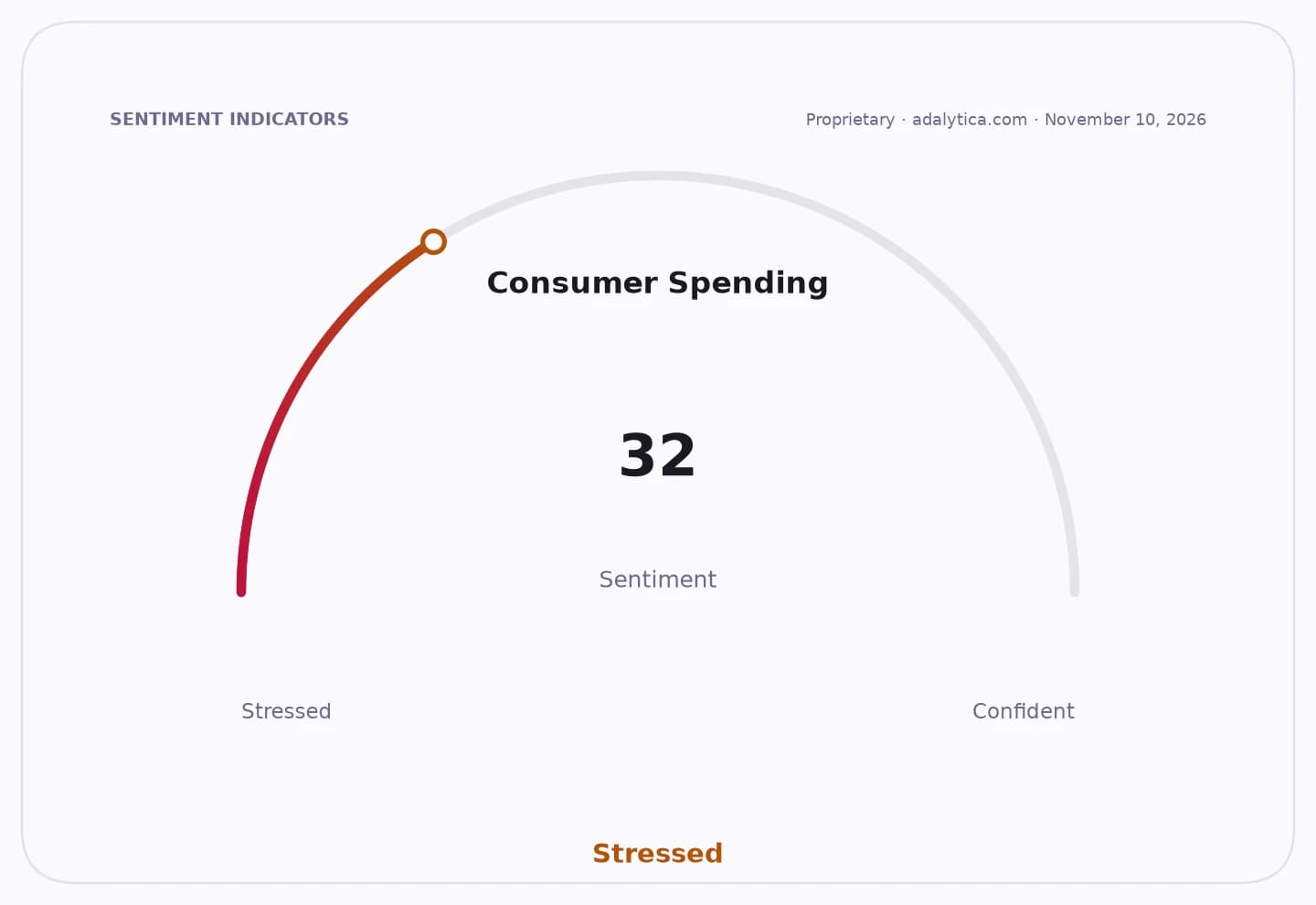
Sentiment Indicators
ECB Policy Direction
That disconnect matters because a more hawkish ECB would normally tighten rate differentials in the euro’s favour and provide a cleaner lift to the single currency. Instead, much of the expected tightening is already priced in, leaving limited room for another surprise. ING says the market has already embedded about 45 basis points of ECB tightening by end-2026, while Nordea expects three further quarter-point hikes that would take the deposit rate to 3.00% by March 2027. In other words, the euro is supported by rates, but not enough to break out.
The policy backdrop has turned more supportive for the currency on paper. ING said it still sees a September rate increase as a live option and argued the ECB may need to keep market pricing elevated to prevent inflation expectations from de-anchoring, especially with European gas and broader energy prices still a concern. Nordea went further, saying the ECB is in a genuine hiking cycle rather than a one-off adjustment and that the central bank’s latest communication left the door “wide open” to another move in September.
But the currency market is looking through that. The euro has struggled to hold gains even as the ECB’s tone firms, suggesting investors are weighing other forces at least as heavily as rate spreads. One is the dollar’s own support from relatively high US rates. Another is the geopolitical backdrop, which keeps energy prices and risk appetite in play. ING said the market may be too complacent about the possibility of renewed pressure from the Gulf, while Nordea warned that second-round inflation effects from energy could be slower and stickier than markets expect.
That is why the euro’s technical picture remains fragile even after the ECB shift. The pair is trading below short- and medium-term moving averages, with resistance clustered around 1.1380 to 1.1400 and support near 1.1362, then the June low around 1.1325. RSI readings around the low 40s suggest the euro has come off oversold levels, but not enough to indicate a durable breakout. In practical terms, the market is consolidating near the lows rather than building momentum for a trend reversal.
The broader implication for investors is that ECB hawkishness may continue to cap downside in the euro, but it is unlikely to deliver a strong upside impulse unless there is either a fresh inflation shock or more forceful policy guidance. If rate expectations remain largely pre-priced and the dollar retains a safe-haven bid, EUR/USD could stay range-bound or drift back toward the lower end of the summer band. A sustained move above 1.1400 would be the first sign that the market is finally rewarding the ECB’s tightening bias; a break below 1.1362 would put the June low back in view.
| Entity | Gains | Losses |
|---|---|---|
| ECB hawks | ▲More policy credibility | ▼Short-term growth tolerance |
| Euro bulls | ▲Downside support from higher rates | ▼Breakout momentum |
| Dollar bulls | ▲Safe-haven demand | ▼Yield advantage if ECB tightens further |
| Importers/hedgers in euros | ▲Predictable funding costs | ▼Cheaper euro relief |