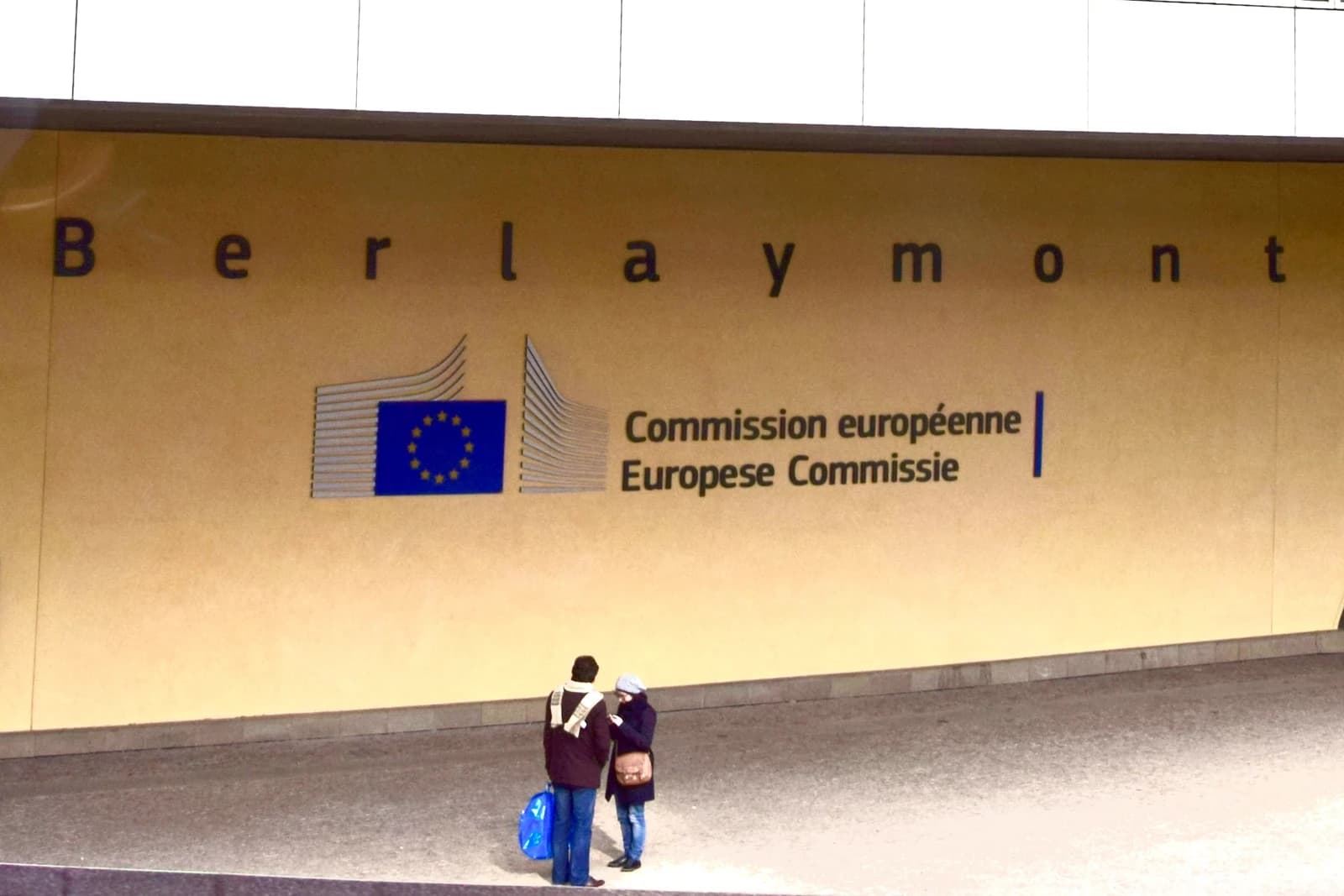
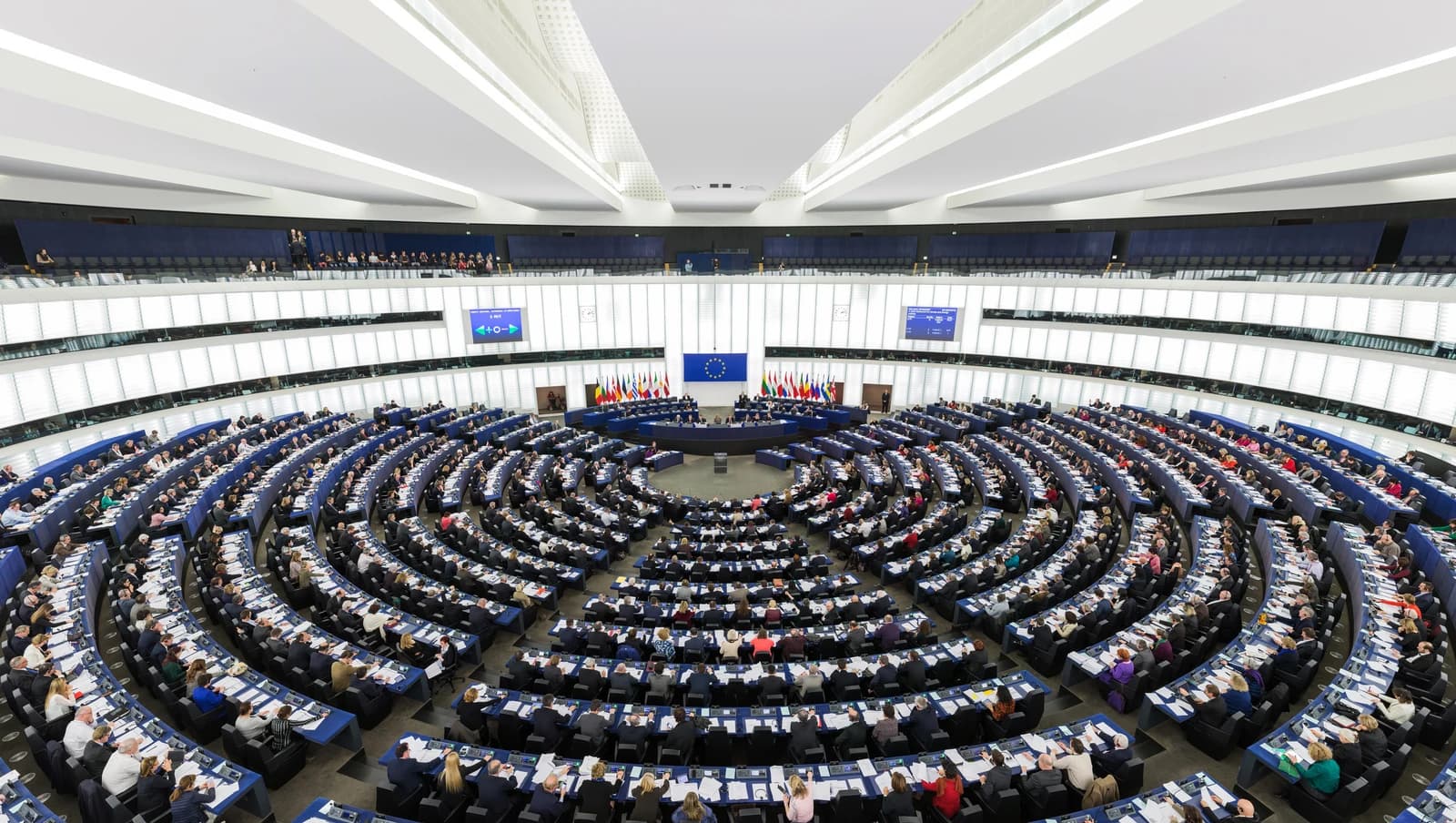
Europe’s next 13 months of elections could leave Brussels with a weaker, more fragmented coalition just as the bloc faces decisions on Ukraine funding, defence, enlargement and economic integration.
Europe elections could weaken EU coalition power
The immediate risk is not an EU breakup, but a steady erosion of its ability to act. If nationalist and eurosceptic parties gain power in France, Spain and Poland, they could form a larger and more durable blocking minority inside the European Council, making consensus harder on everything from the EU budget to military aid for Kyiv. That would matter economically because the union’s policy machinery is already being stretched by sluggish growth, high public debt and tighter fiscal constraints.
Sentiment Indicators

France is the pivotal case. Marine Le Pen’s National Rally is polling strongly, and her programme includes cutting France’s contribution to the EU budget by 11 billion euros, holding a constitutional referendum to elevate French law over EU law and refusing to implement parts of the single market rulebook. A French presidency led by Le Pen would carry far more weight than the Hungarians or Slovaks who have previously disrupted EU diplomacy, simply because France is one of the bloc’s core powers and a major payer into its budget.
Spain and Poland would reinforce that shift. In Spain, Pedro Sanchez faces pressure from the conservative People’s Party and the far-right Vox, which has already cooperated with conservatives in regional governments. In Poland, nationalist parties could threaten Donald Tusk’s pro-EU coalition, while Italy’s Giorgia Meloni, already in office, could feel less constrained if she has more allies in Brussels. The result would be a Council with fewer reliably pro-integration leaders and greater scope for veto politics.
Euro
For investors, the implications run beyond politics. A more divided EU would be a headwind for the euro, for European fiscal coordination and for sectors exposed to common policy initiatives, from defence procurement to energy transition spending. It also raises the odds of delays or dilution in support for Ukraine, a factor that would reverberate through energy markets, defence stocks and European sovereign risk premia. Adalytica’s Euro Trade Signals currently show sentiment in “Fear,” while the EU fiscal debt rules gauge has surged to “Extreme Greed,” underscoring how much attention is already focused on the bloc’s policy framework.
The broader story is one of institutional drift rather than abrupt rupture. EU membership remains popular — 74% of Europeans say their country benefits from being in the bloc — but nearly one in four voters now backs far-right parties, a share that has risen sharply since the 1990s. That disconnect between public support for the EU and rising protest politics suggests the next phase of European integration may be harder to drive through national electorates even if outright withdrawal remains unlikely.
The market question is whether the coming elections simply produce more noise or whether they convert into sustained policy paralysis. If they do, the EU’s challenge will not be survival but relevance: a union still large enough to matter, but less able to shape the outcomes that investors price in bonds, currencies and European equities.
| Entity | Gains | Losses |
|---|---|---|
| Nationalist and far-right parties | ▲More seats, leverage in Brussels | ▼Pro-integration centre parties |
| France, Spain and Poland eurosceptic blocs | ▲Ability to block EU decisions | ▼Faster EU policy coordination |
| Ukraine support and EU budget plans | ▲Delay or dilution from coalition politics | ▼Predictable funding and spending |
| Euro and European equities | ▲Temporary volatility trading opportunities | ▼Policy clarity and integration premium |