Food prices are set to rise again in supermarkets next year as drought, heatwaves and geopolitical shocks begin to feed through to retail shelves, extending a new inflation cycle that is likely to squeeze households and force grocers and manufacturers to absorb only part of the hit.
Europe Food Prices Set to Rise Again in 2025

The immediate risk for consumers is less a 2022-style price spike than a slower, broad-based creep higher that will arrive unevenly across categories. In France, where regulated annual negotiations between brands and retailers delay repricing, the increase is expected to show up mainly from April, while other European markets are already seeing food inflation of about 1.5% to 2%, according to industry specialists cited by the report.
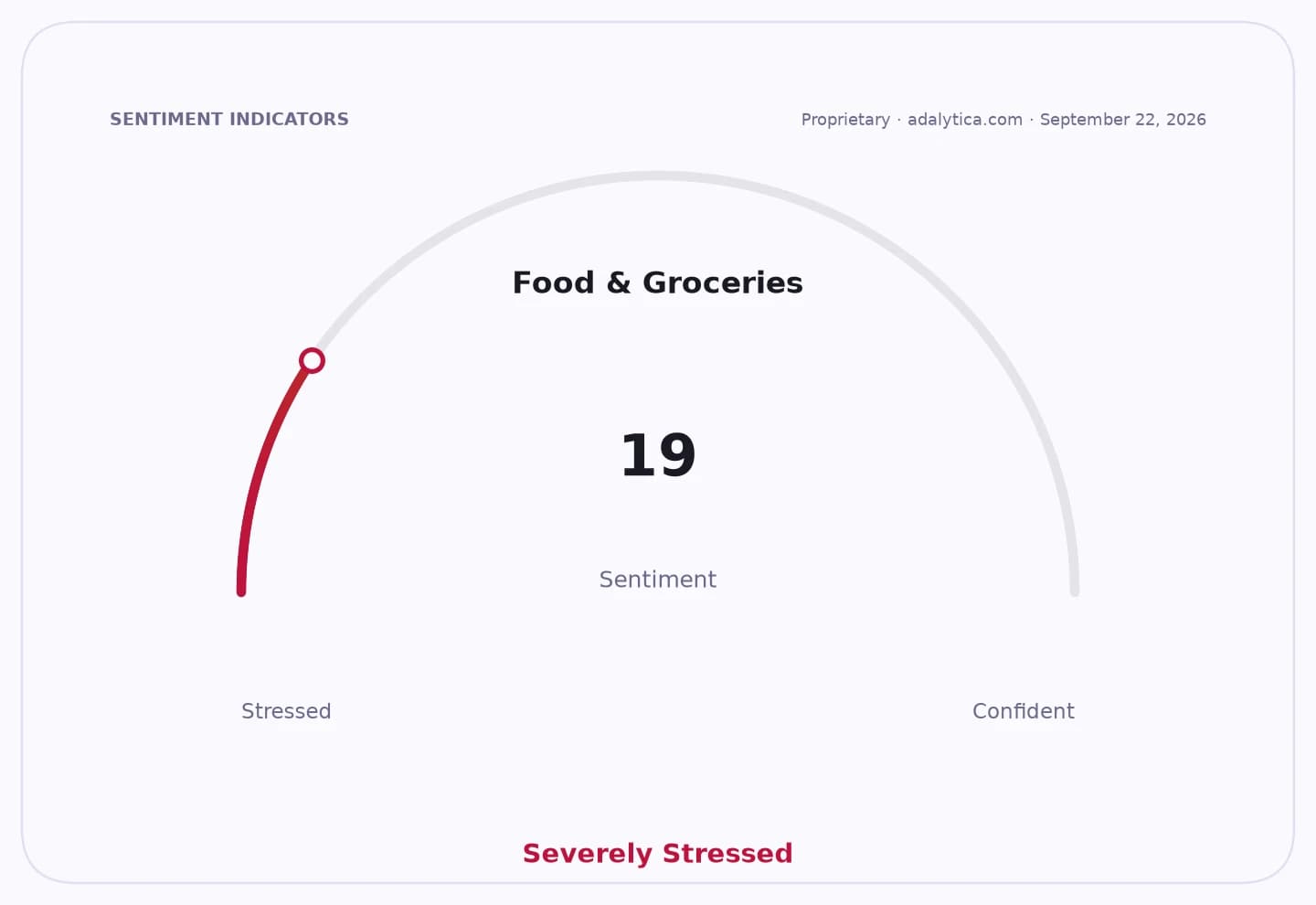
Sentiment IndicatorsⓘProprietary · adalytica.com · September 9, 2026
This is a snapshot — live sentiment, awareness and momentum for 130+ markets update continuously in the dashboard.Open AlphaPulse
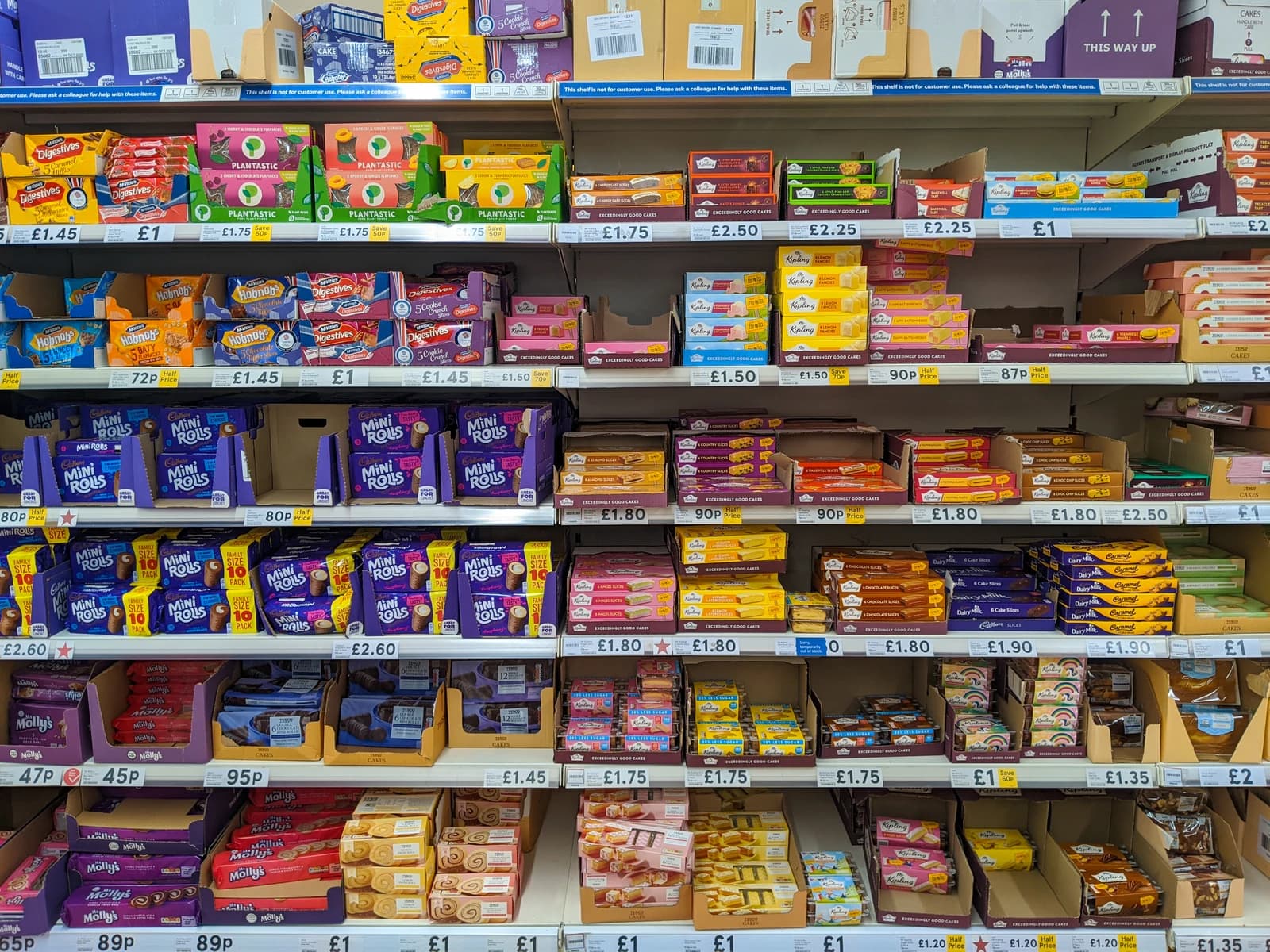
Circana expects average food inflation of 2% to 2.5%, below the peaks of 2022 and 2023 but still enough to pressure purchasing power and volume growth. The outlook reflects a convergence of supply shocks: Europe’s heatwaves, El Niño damage in Asia, Australia and parts of the Americas, as well as the war between Russia and Ukraine and disruptions around the Strait of Hormuz. Those factors are hitting different parts of the food chain at once, from crops and livestock feed to packaging and logistics.
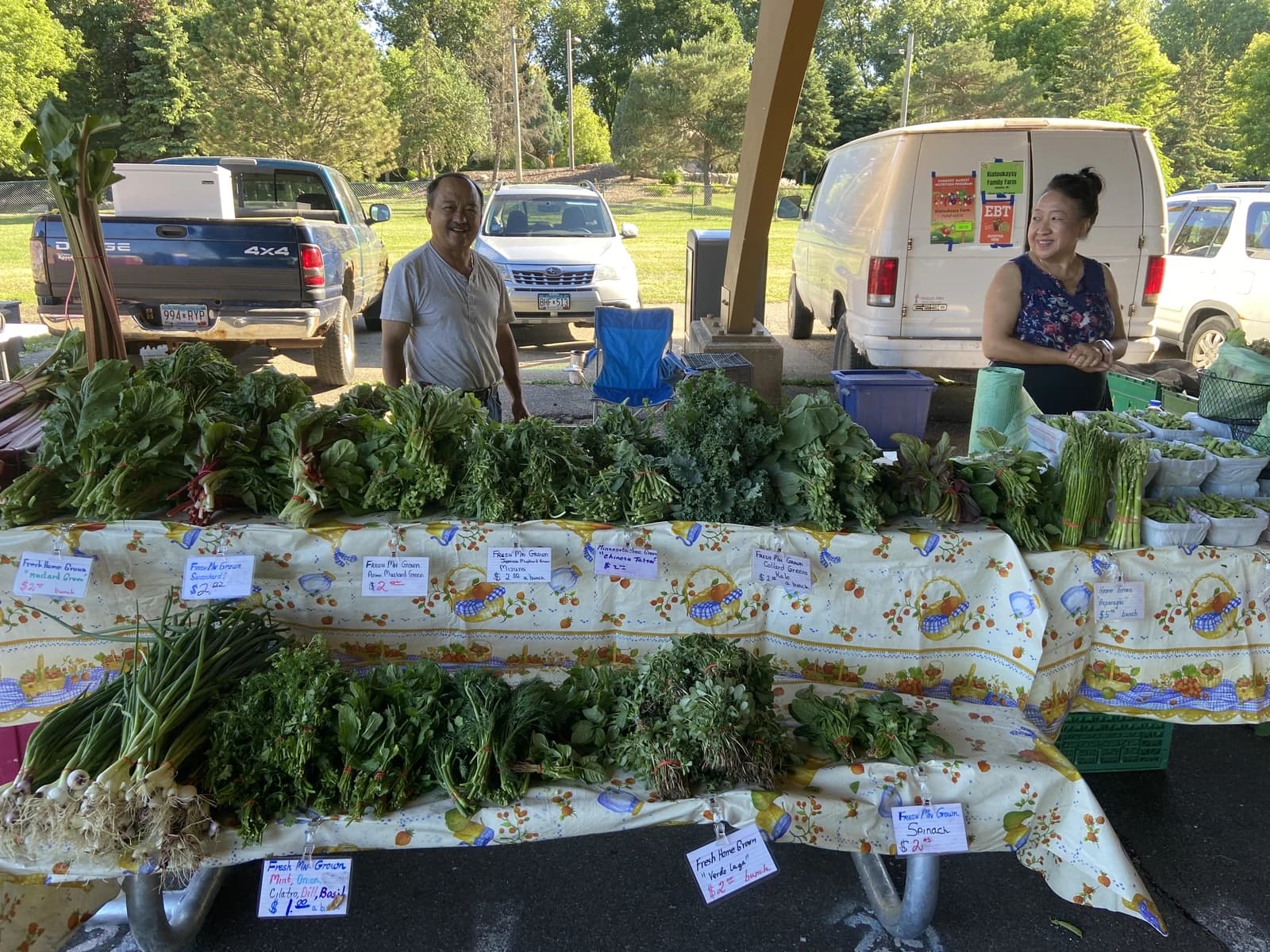
The effect is already visible in specific categories. Bottled water prices have risen after a surge in plastic costs, with retailers moving quickly to avoid shortages of a summer staple. Fruit and vegetable harvests have been hit by drought, and the shortage rate for bagged salads reached an unprecedented 20% in early August, according to NielsenIQ. Dairy products are also exposed through more expensive animal feed, while packaged and canned foods face higher packaging costs.
That matters economically because food inflation is among the most politically sensitive components of consumer price baskets. Even if the overall pace is far below the worst of the post-pandemic surge, a fresh rise in supermarket bills can curb discretionary spending elsewhere, especially for lower-income households that spend a larger share of income on food. It also complicates the inflation outlook for central banks at a time when confidence in the 2% target is fragile, even if energy prices have eased from earlier extremes.
For investors, the question is not just whether food prices rise, but who can pass through the higher input costs. Food retailers may try to protect market share by compressing margins, while branded manufacturers will seek price increases from supermarkets during the next round of negotiations. That creates a familiar tension between volumes and pricing: too much pass-through risks weakening demand, but too little hits earnings. The latest disclosures from major packaged-food groups including ADM, General Mills, Conagra and Smucker show the sector is still wrestling with inflation, tariffs, supply chain disruptions and commodity-cost volatility.
The broader narrative is that food inflation is becoming less a one-off shock than a recurring feature of climate- and geopolitics-driven supply chains. If weather disruptions persist and shipping lanes remain vulnerable, the supermarket repricing expected from late this year into spring may prove the first stage of another prolonged squeeze on consumers.
| Entity | Gains | Losses |
|---|---|---|
| Food producers | ▲Higher shelf prices | ▼Volume pressure |
| Supermarkets | ▲Some pass-through power | ▼Margin squeeze |
| Consumers | ▲— | ▼Higher grocery bills |
| Commodity-linked funds | ▲Price volatility | ▼Demand uncertainty |