Eon’s chief executive says Europe could face another leg up in natural gas prices as the Iran conflict tightens global energy markets, a warning that points to higher industrial costs and renewed pressure on households across the continent.
Europe Gas Prices Rise on Iran Conflict
Leonhard Birnbaum said Europe will have to cover more of its gas demand in the short-term LNG spot market, where cargoes are already being pulled by the geopolitical shock. That matters because Europe still leans heavily on imported gas to refill storage and bridge winter demand, leaving the region exposed to price spikes whenever supply security is questioned. Birnbaum told the Frankfurter Allgemeine Sonntagszeitung it is “difficult to imagine” why gas should get cheaper over the next two years.
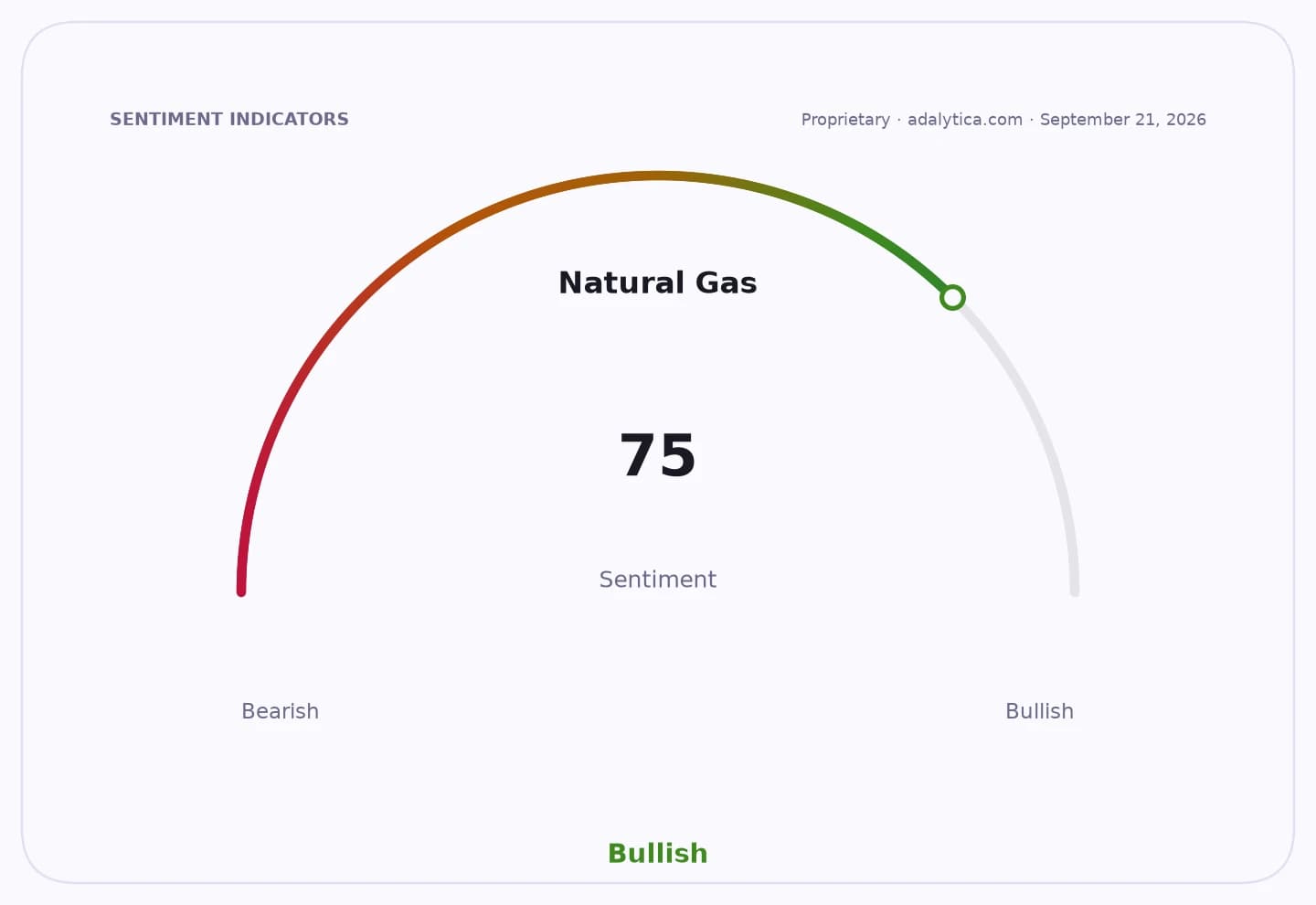
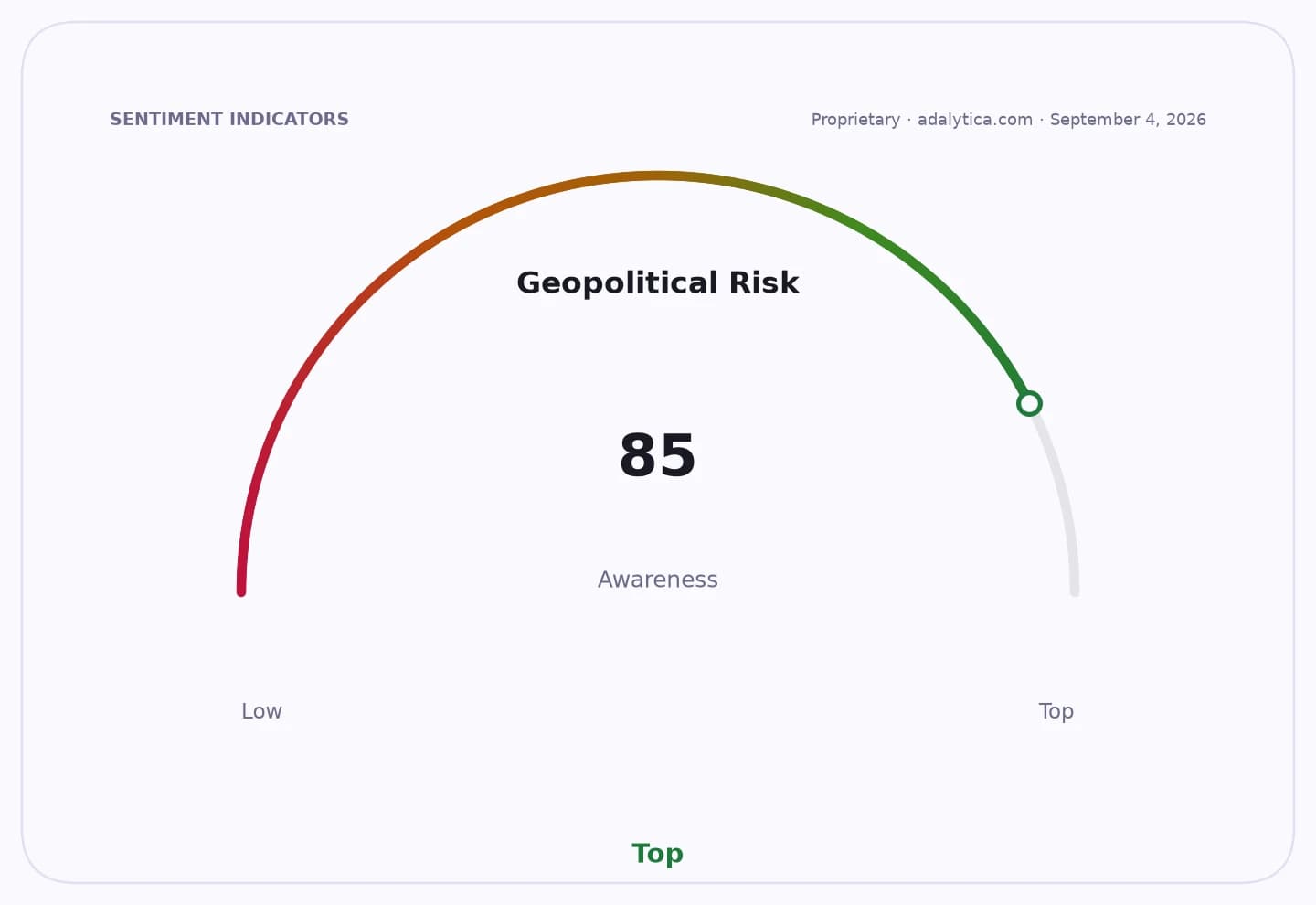
Sentiment IndicatorsⓘProprietary · adalytica.com · September 4, 2026
This is a snapshot — live sentiment, awareness and momentum for 130+ markets update continuously in the dashboard.Open AlphaPulse
The market is already showing the strain. European benchmark gas prices have climbed back above €70 per megawatt hour, while the latest trading data show U.S. gas futures at $2.95, with the 50-day moving average just above the current price and RSI readings still elevated, suggesting the recent move has not yet fully washed out. In oil, the latest WTI print around $91.75 a barrel and a sharp rise in energy-linked ETFs underline how quickly geopolitical risk is being repriced into the broader complex.
For investors, the message is not just that gas is expensive — it is that the pricing floor for European energy may have shifted higher. That is a margin squeeze for chemicals, metals, glass and other power- and gas-intensive industries, especially in Asia first and then Europe, as Birnbaum warned. It also supports the case for capital spending in LNG infrastructure, storage, grid resilience and flexible generation, while favoring suppliers with locked-in contracts and balance-sheet strength.
Eon is trying to draw a line between market turmoil and customer pain. Birnbaum said the utility has already secured supply at fixed prices and will fully serve customers through the winter heating season, with no price increases planned for Eon customers through year-end. That insulation should help the company retain trust, but it does not remove the wider macro risk: if LNG spot prices stay tight, Europe’s industrial base will pay the bill.
The real trade now is between energy security and energy affordability. If the Middle East stays unstable and winter demand arrives into a constrained LNG market, gas remains the cleanest expression of the shock. I believe the market is still underestimating how long that squeeze can last — and that is exactly why this setup remains bullish for LNG infrastructure, integrated utilities with procurement discipline, and the strongest names in European energy, while industrial gas users and utility buyers face the sharpest downside.
| Entity | Gains | Losses |
|---|---|---|
| LNG suppliers | ▲Higher spot pricing | ▼Less price resistance |
| Eon | ▲Fixed-price supply advantage | ▼Exposure to market volatility |
| Energy infrastructure names | ▲More investment demand | ▼Slow-moving policy risk |
| Industrial gas users | ▲N/A | ▼Higher input costs |