Heat waves across Europe are inflicting crop and livestock losses severe enough to tighten food supplies, raise feed costs and keep pressure on inflation just as policymakers are trying to steady the region’s economy.
Europe heat waves cut crops and lift food prices

Copa-Cogeca, the main European farm lobby, has warned the European Commission that maize losses are reaching as much as 70% in Slovenia, 40% in France and 20% to 25% in Italy, with some dryland areas losing up to 70%. It said fruit and grape harvests are also being hit across Spain, Italy, Slovenia and Croatia, where some orchards and vineyards are seeing losses of about 30%, while 90% of olive groves may be impossible to irrigate. Milk production is falling 10% to 15% in parts of the European Union, not because demand has weakened, but because pasture and forage supplies are shrinking after repeated heat waves, drought and fires.
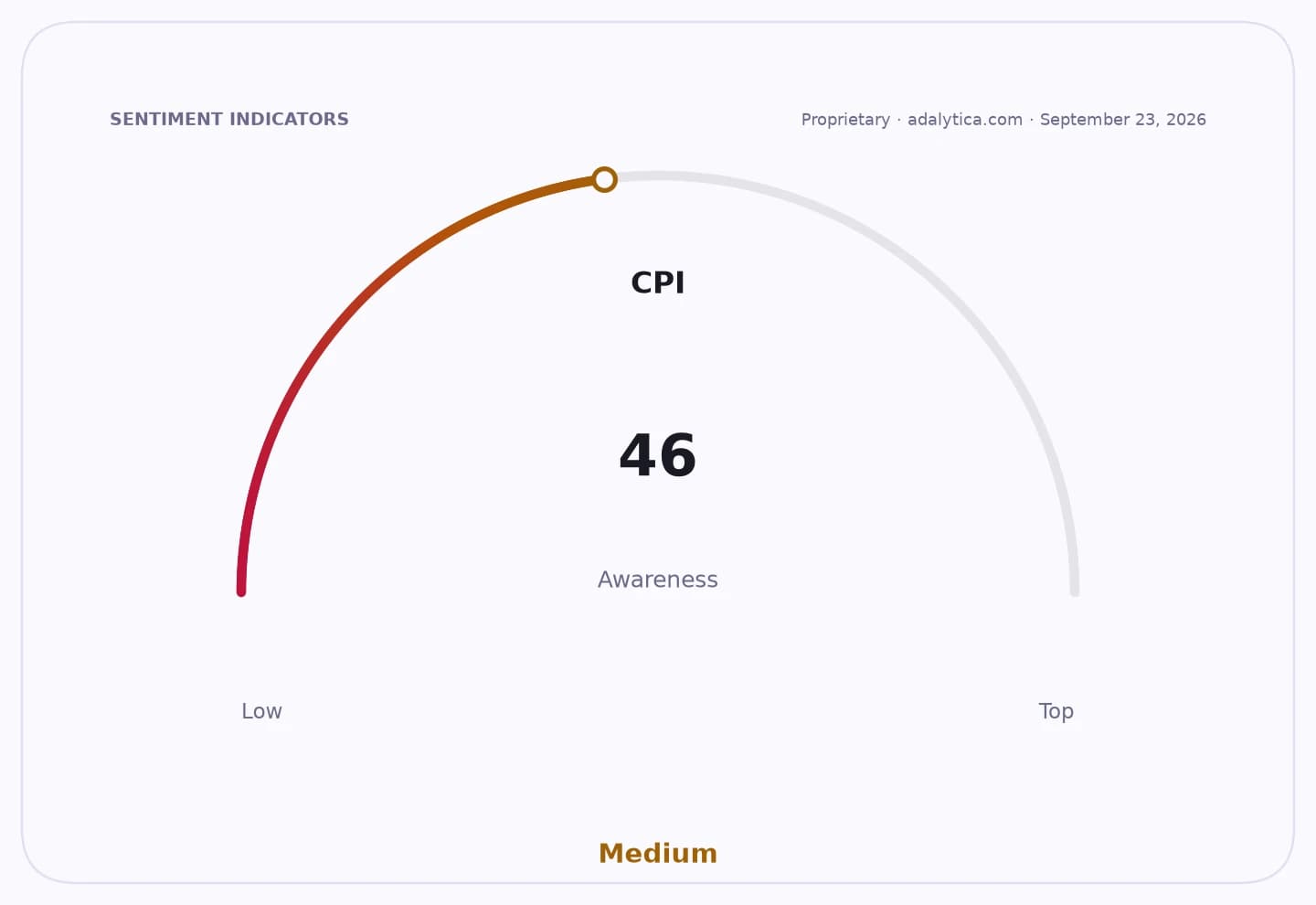
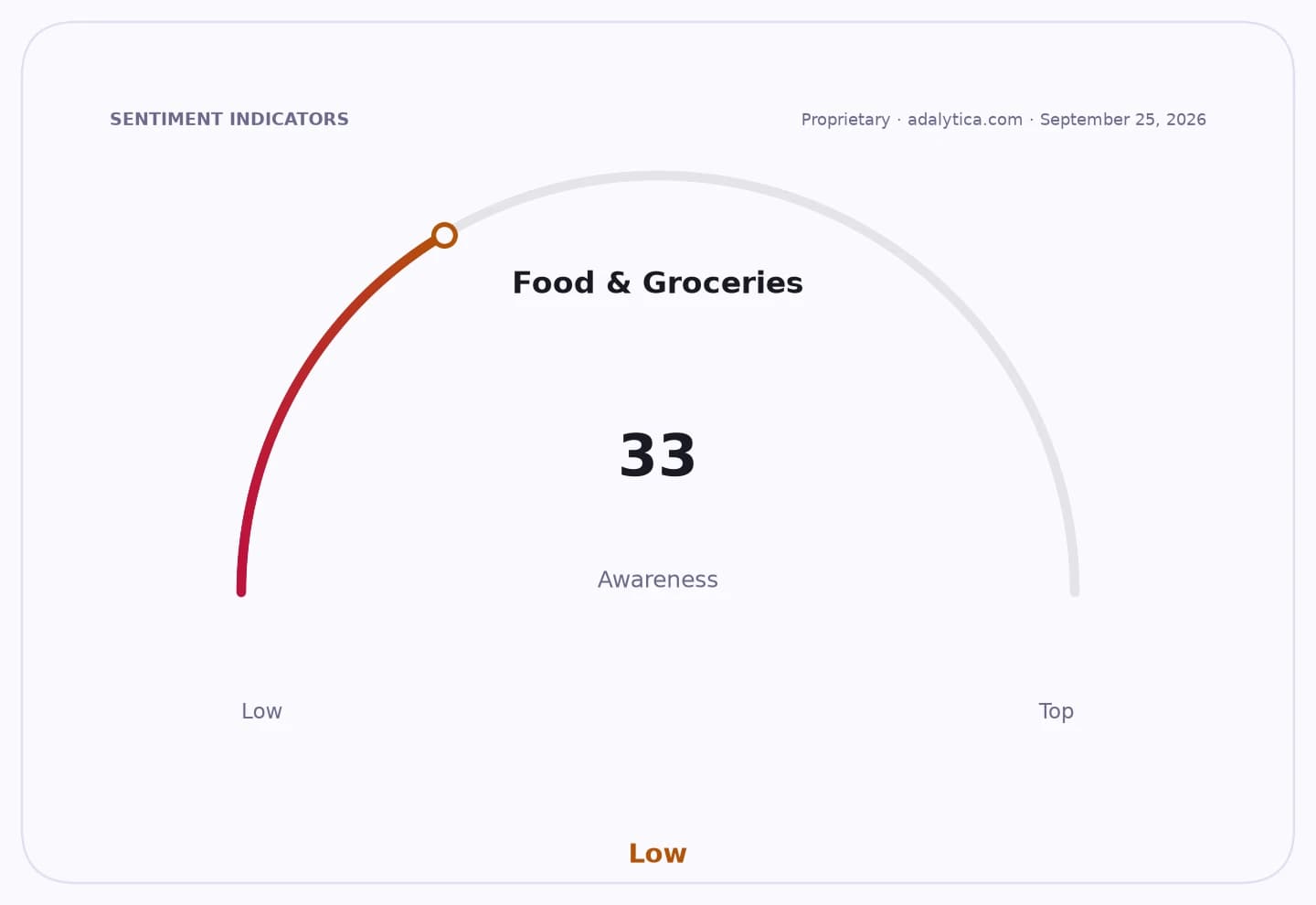
Sentiment IndicatorsⓘProprietary · adalytica.com · September 4, 2026
This is a snapshot — live sentiment, awareness and momentum for 130+ markets update continuously in the dashboard.Open AlphaPulse
The economic significance goes beyond a bad harvest. Europe’s agriculture sector is being squeezed at the same time on output, input costs and resilience. Lower corn and forage availability directly feeds into livestock margins, while shortages of hay and feed can force herd reductions and early slaughter, compounding losses for dairy and beef producers. That creates a second-round effect for food manufacturers and retailers through higher raw material costs, particularly in dairy, meat, oils and beverages. The pressure also comes when euro area consumer prices are still sensitive to weather-driven food spikes.
Spain illustrates the broader stress on the continent’s production base. Industry groups say the country is facing one of the most severe summers in a decade, with July described by Spanish weather agency AEMET as the hottest on record and one of the driest, receiving only 26% of normal rainfall. Asaja says heat, water shortages and fires have already damaged nearly 20,740 hectares of agricultural land, with indemnities expected to exceed 2 million euros. It also put maize-forage losses in Asturias at 60% to 80% and said cereal production in Salamanca is down 42.6% from last year. Those are the kind of regional shocks that can ripple through Spain’s livestock and feed markets long after the heat eases.
For investors, the immediate winners are grain and agricultural commodity holders, while the losers are European farmers, dairy producers and food processors exposed to higher input costs. Chicago corn futures have jumped to about 20.17, well above their 50-day moving average, with RSI readings in overbought territory, underscoring how quickly markets are pricing in weather risk. The broader agriculture ETF DBA has also surged to 27.12, while wheat ETF WEAT remains elevated after a sharp summer rally. That suggests traders are already positioning for tighter supply, even if the crop damage ultimately proves more localized than feared.
The policy angle matters too. Farm groups are pressing Brussels for support and warning that proposed cuts to the Common Agricultural Policy would be ill-timed if climate volatility is becoming the new normal. That is where the story moves from a one-off weather event to a structural debate over food security, rural incomes and the cost of adaptation. If heat waves continue to compress harvests and reduce forage availability, Europe may face persistently higher food inflation, more livestock culls and growing calls for subsidies, irrigation investment and drought resilience.
| Entity | Gains | Losses |
|---|---|---|
| Grain and ag commodity traders | ▲Weather-risk premium | ▼Physical buyers |
| European farmers | ▲Emergency aid case | ▼Harvest volumes |
| Dairy and livestock producers | ▲None | ▼Feed costs |
| Food makers and retailers | ▲None | ▼Input margins |