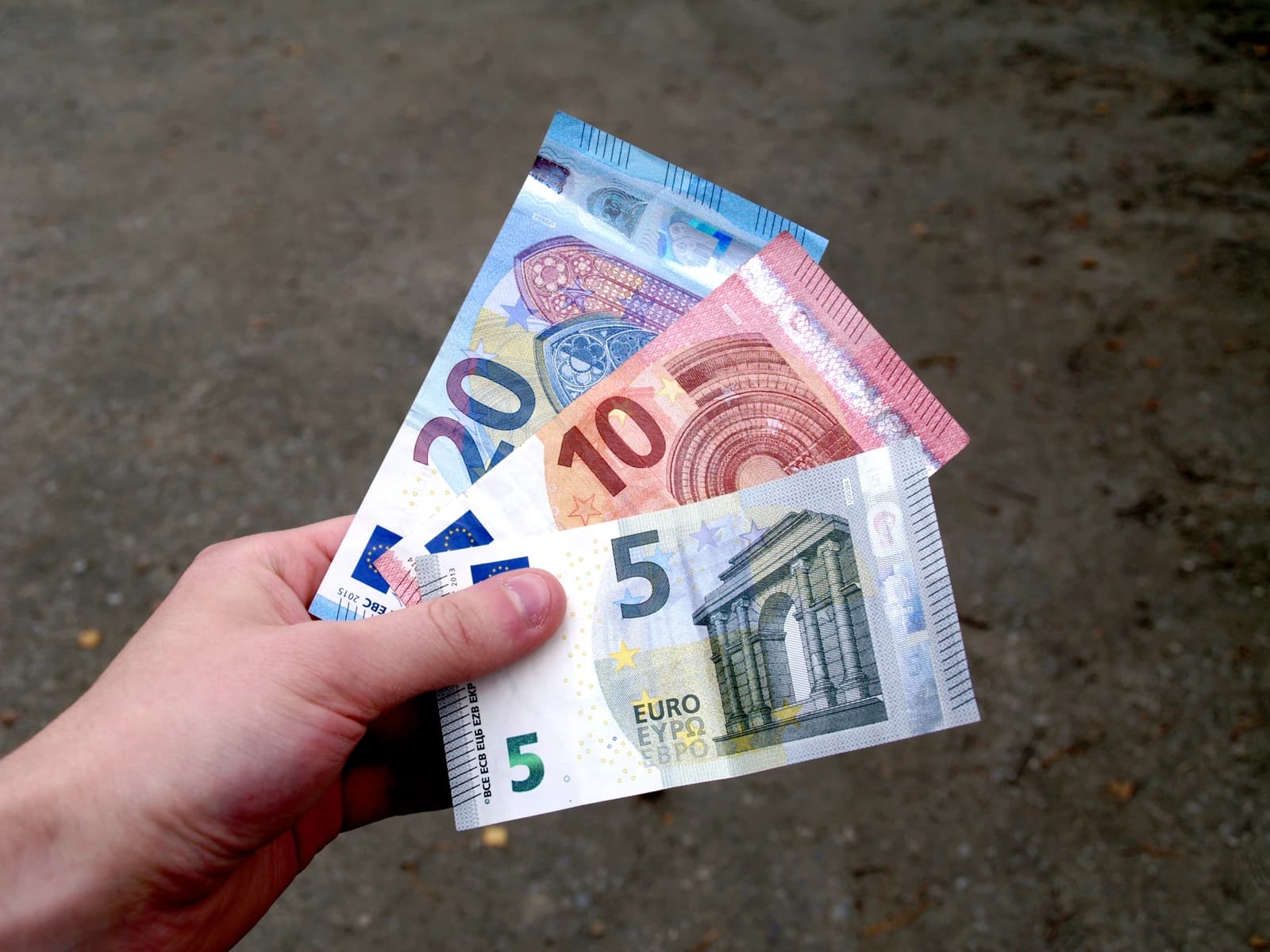
European households are sitting on nearly 10 trillion euros in cash and bank deposits, underscoring a structural gap that helps explain why the continent’s savings are not flowing into the companies and projects Europe says it needs most.
Europe households keep 10 trillion euros in cash
The European Central Bank said about 80% of euro-area households own no stocks or other capital-market instruments, while roughly one-third of household financial assets are parked in low-yield cash and deposits. In the U.S., households hold only 11% of their financial wealth in bank deposits, highlighting a sharp divergence in how the two economies turn private savings into investment.
Sentiment IndicatorsⓘProprietary · adalytica.com · September 26, 2026
This is a snapshot — live sentiment, awareness and momentum for 130+ markets update continuously in the dashboard.Open AlphaPulse
That matters because money held in deposits or real estate does little to finance innovation, productivity growth or industrial expansion. The ECB argues that a deeper retail investor base could help fund technology, energy, infrastructure, defense and digitization while also improving long-term returns and diversification for households.
The divide is especially pronounced among richer savers. More than 65% of the wealthiest 20% of U.S. households own listed stocks, bonds or mutual funds, compared with less than 45% in the euro area. Across the currency bloc, more than 60% of households keep most of their wealth in property, around a quarter mainly save through bank accounts, about 10% invest indirectly via pensions and insurance, and only 4% are direct, meaningful capital-market investors.
Croatia fits that pattern. European Commission data showed 43.6% of Croatian household assets were in cash and deposits at the end of 2024, above the EU average of 31.7%, while the country’s former finance minister said only 3.5% of households owned shares. At the same time, appetite for domestic government paper is growing, with about 37,000 citizens investing roughly 2 billion euros in a recent round of treasury bills.
The ECB says the problem is not just access. Risk perception, low financial literacy and weak trust in markets are the main barriers keeping households on the sidelines, which is why simpler products, pension reform, financial education and savings-and-investment accounts are being pushed as part of the bloc’s broader savings and investment union.
For investors, the issue cuts two ways: Europe’s capital markets could get a durable new source of domestic demand if reforms succeed, while banks, deposit-heavy savers and property markets remain the current winners from the status quo. The next test is whether policymakers can persuade households to move money out of idle balances and into productive assets without taking on risks they do not understand.
| Entity | Gains | Losses |
|---|---|---|
| European companies | ▲More retail capital | ▼Slower access to funding |
| Banks and deposit holders | ▲Stable low-cost funding | ▼Lose deposits to markets |
| Households in U.S. | ▲Higher market exposure | ▼More volatility |
| Croatian savers in deposits/real estate | ▲Safety and liquidity | ▼Lower long-term returns |