Global equities were little changed as Brent crude hovered near $96 a barrel, keeping investors focused on inflation and central-bank policy rather than corporate headlines.
Europe Stocks Flat as Brent Stays Near $96

The oil price matters because it sits at the centre of the current market debate: energy is no longer collapsing enough to ease price pressures, but it is not surging hard enough to trigger a fresh panic. That leaves markets in a holding pattern ahead of this month’s policy meetings at the European Central Bank and the Federal Reserve, where every macro release is being weighed for its impact on the rate path.
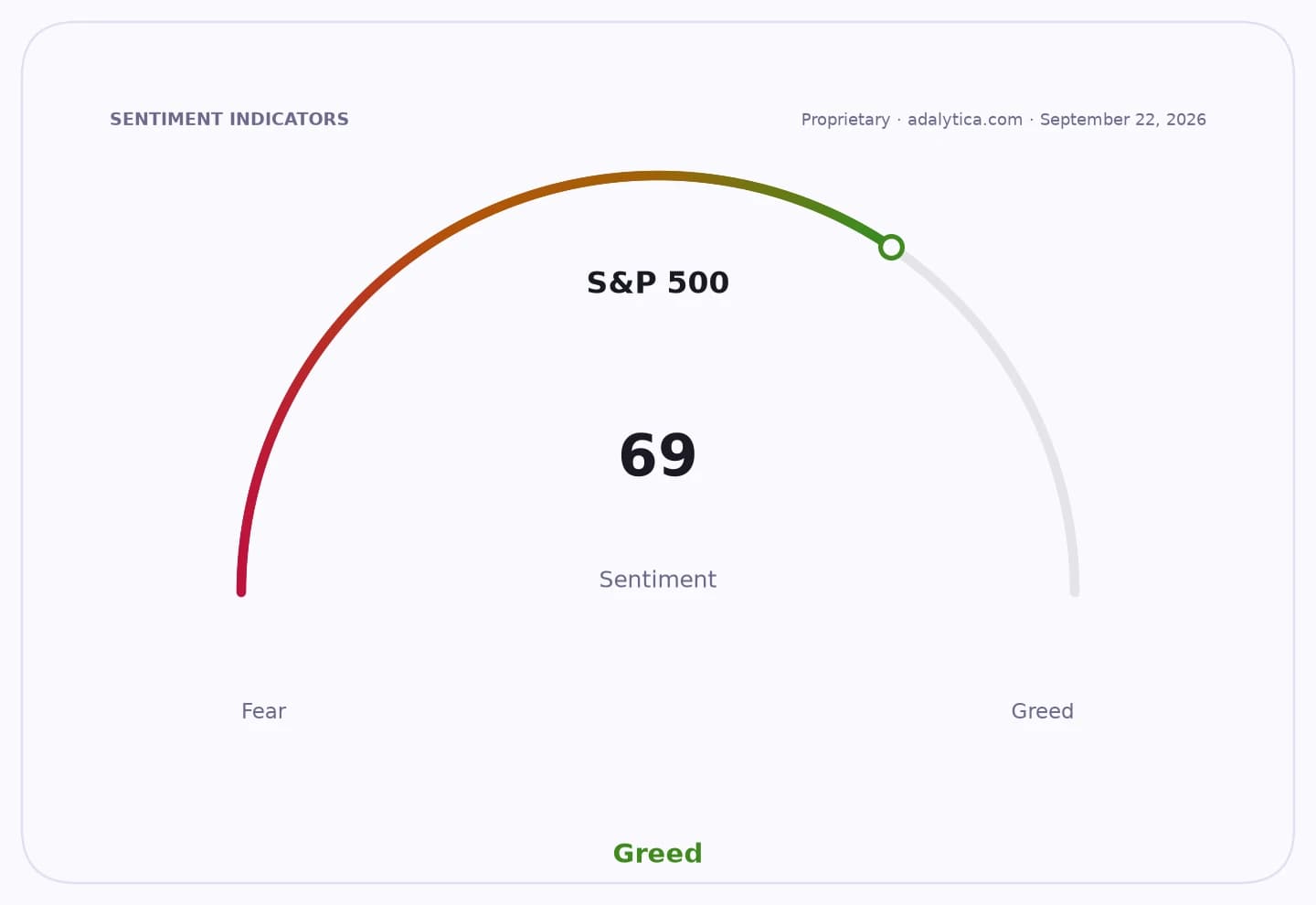
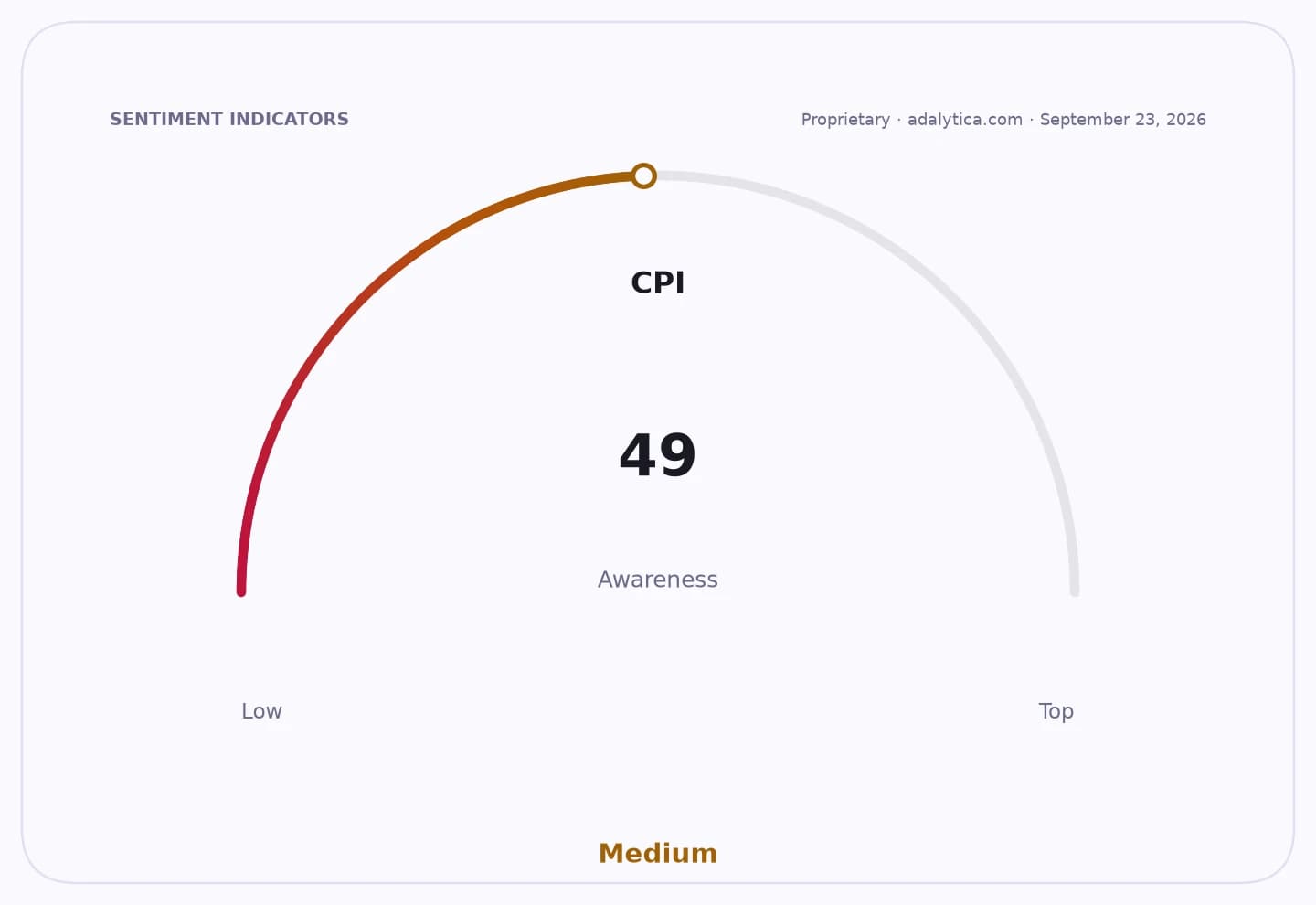
Sentiment IndicatorsⓘProprietary · adalytica.com · September 3, 2026
This is a snapshot — live sentiment, awareness and momentum for 130+ markets update continuously in the dashboard.Open AlphaPulse

In the United States, the ADP report showed private payroll growth slowed to 38,000 in August, the weakest reading since January and well below expectations for 47,000. That reinforced the market’s focus on Friday’s nonfarm payrolls, which could shape whether the Fed feels comfortable pausing or has room to stay restrictive for longer. New York Fed President John Williams struck a relatively dovish tone, saying the case for another rate increase is “not yet sufficiently strong,” while Fed governor Michael Barr argued rates may need to go higher if inflation does not cool convincingly.
In Europe, the message from policymakers was more direct. Bundesbank chief Joachim Nagel said markets pricing more than a 95% chance of a rate rise on Sept. 11 were reading the ECB correctly, while Irish central bank governor Gabriel Makhlouf said the ECB must be ready to tighten further if inflation moves the wrong way. That leaves eurozone assets exposed to a mix of firmer rates and still-resilient growth data.
The macro backdrop is not uniformly negative. S&P Global PMIs showed eurozone private-sector activity in August grew at the same pace as July, which had been the fastest in eight months, while Italy’s services sector posted its strongest expansion in nearly three and a half years. But producer prices in the euro area accelerated more than expected in July, underscoring why policymakers remain reluctant to declare victory over inflation.
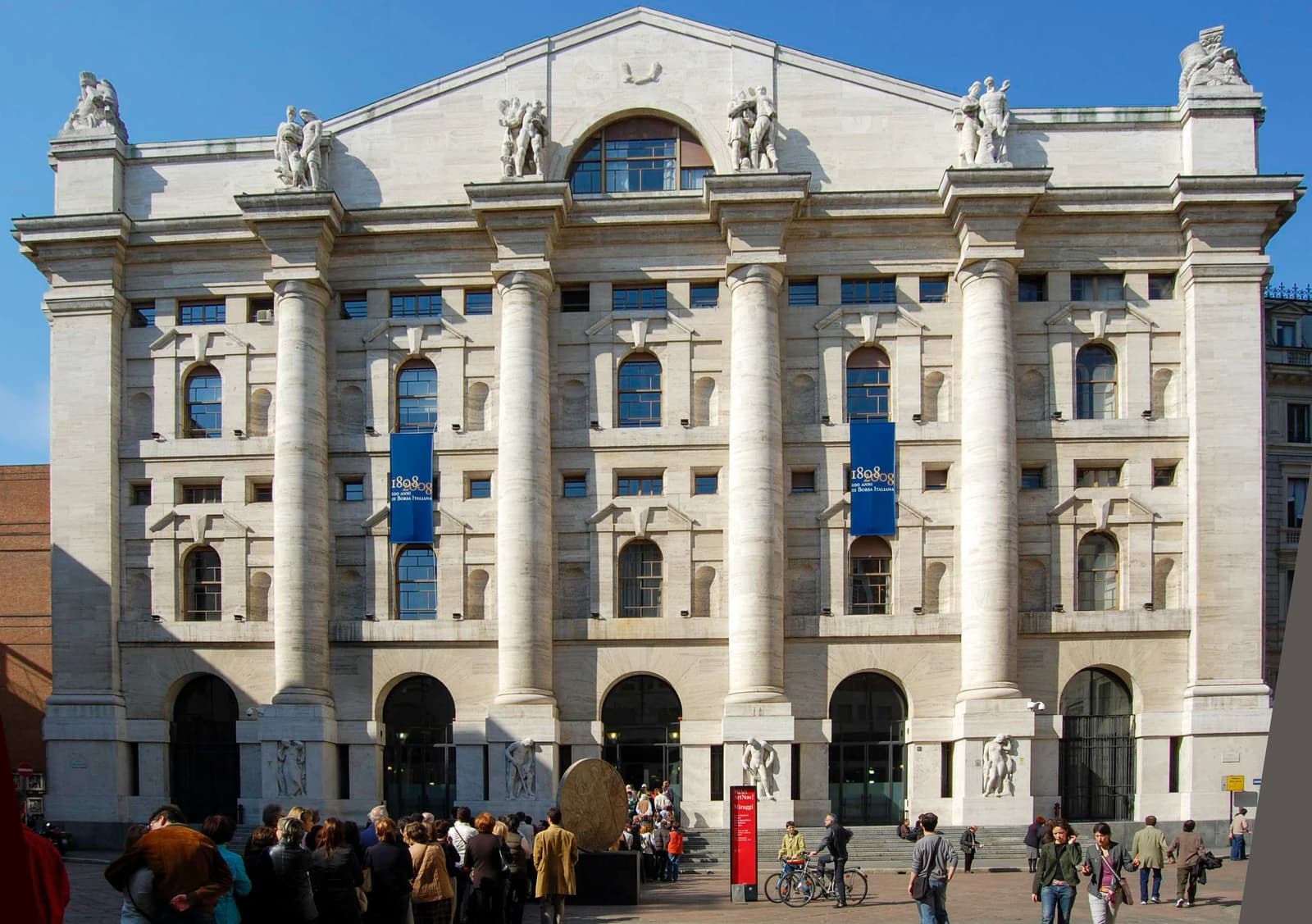
On trading desks, that combination kept the reaction muted. The FTSE MIB was flat at 51,894 points, while Frankfurt, London and Paris also hovered around parity. The euro was unchanged at $1.161, the Italian 10-year yield stood at 4.19%, and the spread to Bunds widened slightly to 83 basis points.
Within Milan, Azimut was the standout, rising 3.46%, with Buzzi, Fineco and Tenaris also among the best performers. The move in Azimut stood out because asset managers tend to benefit when markets stabilise and equity valuations hold up, supporting fee-generating assets under management. By contrast, Leonardo fell 2.67%, while Brunello Cucinelli and Moncler also weakened, suggesting investors were still trimming exposure to more cyclical and richly valued names despite the calmer index level.
For investors, the key narrative is that markets are not being driven by risk appetite so much as by the collision between sticky inflation, slowing US labour momentum and central banks still inclined to keep policy tight. Brent near $96 keeps the inflation question alive, but the weaker US jobs signal offers some offset. Until the payrolls data and ECB decision land, Europe’s equity market is likely to stay range-bound, with financials and domestically exposed names supported by higher-rate expectations and rate-sensitive growth stocks vulnerable to any further tightening surprise.
| Entity | Gains | Losses |
|---|---|---|
| Azimut and Milan asset managers | ▲Higher fee income from stable markets | ▼Rate-sensitive sentiment if volatility returns |
| ECB hawks | ▲Stronger case for another hike | ▼Growth-sensitive borrowers and equities |
| Fed doves | ▲Softer payroll data supports a pause | ▼Dollar bulls and higher-for-longer trades |
| Oil producers | ▲Brent near $96 supports revenue | ▼Consumers and inflation-sensitive assets |