Europe’s exchange-traded fund market just logged its biggest month ever, and the message for investors is hard to miss: low-cost, diversified funds have become the default way to own markets.
European ETFs Reach Record 3.214 Trillion Euros

Assets in European ETFs jumped 3% in August to a record 3.214 trillion euros, according to LSEG Lipper, as nearly 94 billion euros of growth flowed in from a mix of market gains and fresh money from investors. Roughly 50.3 billion euros of that came from market performance, while another 43.2 billion euros was new cash. That is a powerful reminder that the ETF industry is no longer a niche trade — it is a core plumbing layer of modern investing.
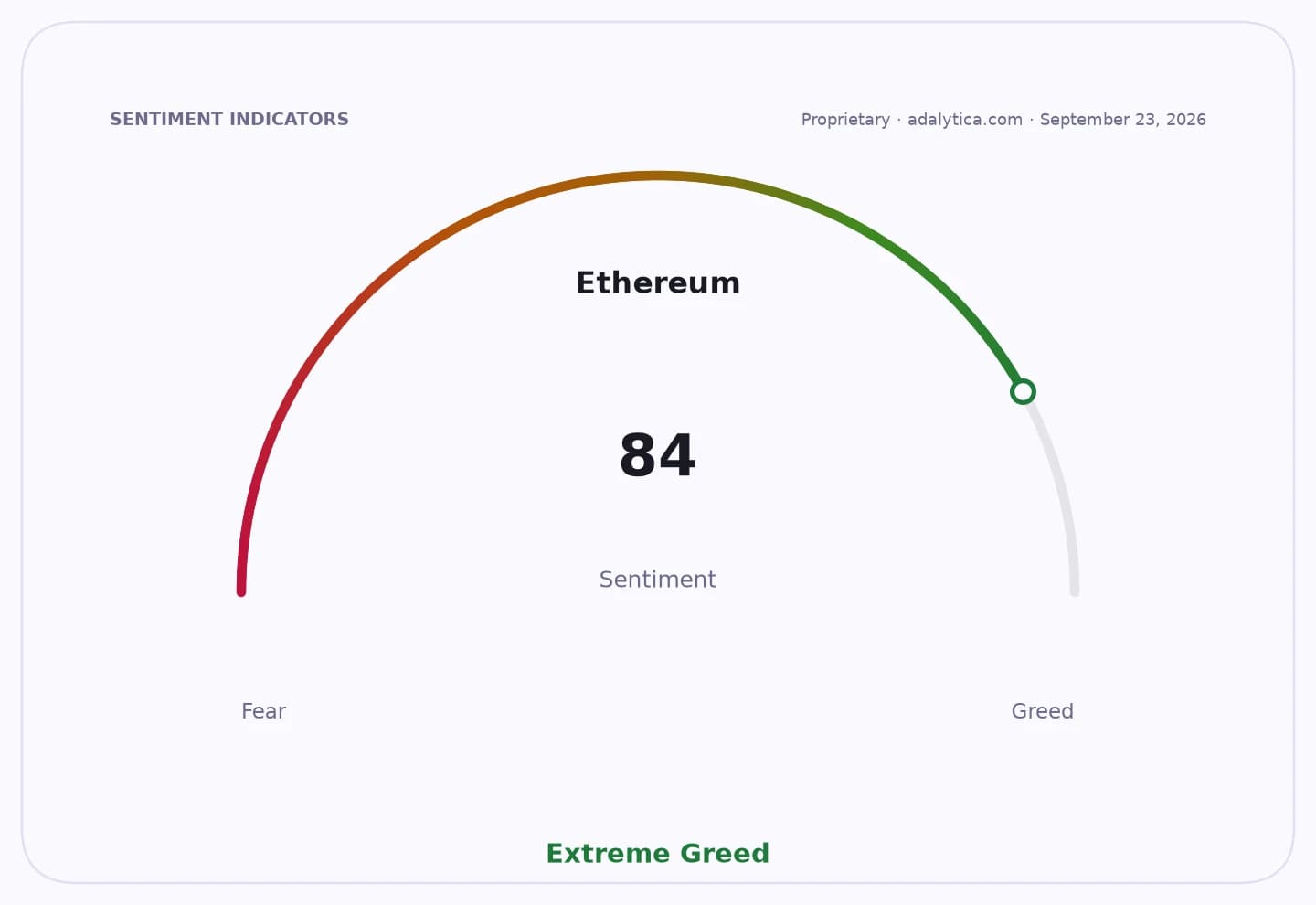
Sentiment IndicatorsⓘProprietary · adalytica.com · September 26, 2026
This is a snapshot — live sentiment, awareness and momentum for 130+ markets update continuously in the dashboard.Open AlphaPulse
The economic significance is straightforward. When investors keep funneling money into ETFs, they are not just buying products; they are directing capital toward the assets, sectors and countries they believe will compound over time. In August, that meant a clear preference for risk assets, especially equities. Stock ETFs absorbed 35.5 billion euros of new money, far more than bond funds, money-market products, commodities, alternatives or mixed portfolios.
That matters because ETFs help set the tone for broader capital flows. Europe’s ETF assets topped 2.5 trillion euros in equity funds alone for the first time, while bond and mixed portfolios also reached record territory. For households, pensions and institutions, the appeal is obvious: lower costs, instant diversification and easy access to global markets. For the market itself, the result is a steady, structural bid that can deepen liquidity and reinforce leaders.
The most interesting shift is that European equity ETFs have finally turned from laggards into destinations again. After three straight months of redemptions, the category drew 2.5 billion euros in August, its second month near the top of the sales rankings. That reversal suggests investors are no longer treating Europe as a market to avoid. They are beginning to see value again, even as global equity funds remained the biggest magnet for fresh cash at 13.2 billion euros and U.S. equity ETFs pulled in 8 billion euros.
There is also a long-term investing lesson here. Investors continue to favor broad exposure over narrow bets. Global stock ETFs led the pack, while European equity funds rebounded and U.S. Treasury ETFs saw 700 million euros leave the sector. Even within the month’s losers, the message is about preference, not panic: money rotated away from one corner of the bond market and into equities where growth expectations still look more attractive.
For investors, that is a constructive signal. ETF adoption keeps expanding because it solves real problems — cost, access, diversification and discipline. The record August figures show that the market is still in the early innings of a multi-decade shift in how Europeans save and invest. The winners are fund providers, brokers and the broad equity market. The losers are expensive active products that have to fight harder for every euro.
The next question is whether this appetite can persist if volatility picks up or if macro conditions sour. But for long-term investors, the bigger takeaway is unchanged: when money keeps pouring into ETFs at record pace, it usually pays to stay invested, stay diversified and think in years rather than months. Europe’s ETF boom is not just a summer story — it is a compounding story.
| Entity | Gains | Losses |
|---|---|---|
| European ETF providers | ▲Record assets and fees | ▼Pricing pressure |
| Equity investors | ▲Broad market exposure | ▼Cash underperformance |
| European equity ETFs | ▲Fresh inflows after outflows | ▼Prior redemption trend |
| U.S. Treasury ETFs | ▲— | ▼Capital outflows |