European stocks ended higher as investors finally got a break from the bond-market selloff that had been pressuring risk assets, and Germany’s DAX moved back above 26,000 points. For long-term investors, that matters because it shows how quickly equity sentiment in Europe can improve when Treasury and eurozone yields stop surging and energy fears cool even a little.
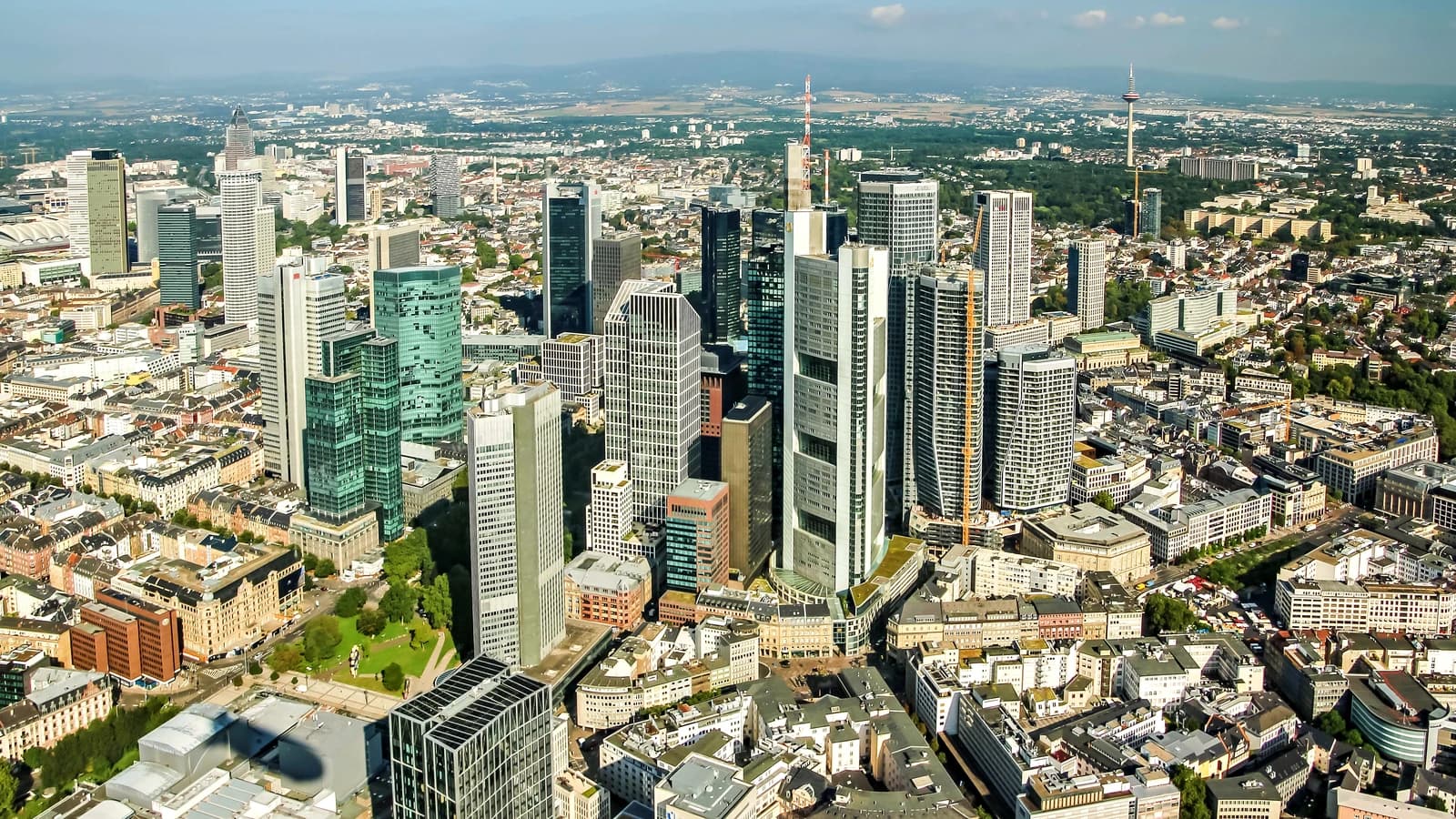
European stocks rise as DAX tops 26,000

The Stoxx Europe 600 rose 0.49%, recovering from a one-month low hit in the previous session, while Germany’s DAX gained 0.63% to 26,003.32. London’s FTSE 100 climbed 0.7% and the CAC 40 was little changed but still finished in positive territory. The move came after three straight sessions of declines, with selling in global bonds easing and eurozone yields pulling back from multi-year highs.
Sentiment IndicatorsⓘProprietary · adalytica.com · September 4, 2026
This is a snapshot — live sentiment, awareness and momentum for 130+ markets update continuously in the dashboard.Open AlphaPulse

That bond relief is important for the real economy as well as for markets. Europe is more exposed than the U.S. to imported energy, so higher oil prices and higher borrowing costs can squeeze margins, keep inflation sticky and force central banks to stay cautious longer. Today’s pullback in oil, even with Brent still above $95 a barrel, gave equity investors room to breathe. It also reinforced the idea that the market’s recent wobble was less about collapsing growth and more about a tightening financial backdrop that can reverse just as fast as it arrived.
Investors are still watching the bigger macro story: whether U.S. economic data keeps the Federal Reserve on a restrictive path and whether the European Central Bank follows with another rate increase next week. Markets now expect the ECB to lift its deposit rate to 2.5% and to keep tightening into 2027. That is not a friendly setup for every stock, which is why rate-sensitive groups remain under pressure.

The day’s winners and losers reflected that split. Luxury shares lagged, with LVMH, Hermès and Kering all weaker as investors grew more cautious about demand and pricing power. On the other side, Commerzbank rose after announcing a share buyback of up to 1.2 billion euros, and Deutsche Telekom gained after Elliott took a significant stake. Soitec led the Stoxx 600 after lifting its revenue-growth outlook to 50% from 30%, a reminder that stock picking still matters even when the macro picture is unsettled.
For investors, the takeaway is straightforward: Europe’s rally is encouraging, but it is still a market trading through rates, energy and policy risk. The DAX reclaiming 26,000 is a sign of resilience, not resolution. Long-term investors should keep focusing on companies with real pricing power, strong balance sheets and durable earnings growth, because those are the businesses that can compound through this kind of volatility. This looks like a market worth watching closely, and selectively owning, rather than chasing.
| Entity | Gains | Losses |
|---|---|---|
| European equities | ▲Relief rally | ▼Recent bond-market pressure |
| DAX / German stocks | ▲Back above 26,000 | ▼Prior three-day slide |
| Banks and telecoms | ▲Buybacks, activist interest | ▼Higher-rate volatility |
| Luxury stocks | ▲— | ▼Demand caution, weaker shares |