Eurospin is under investigation in Italy after antitrust authorities said the discount grocer may have blocked franchise stores from cutting prices, a move that could undermine competition in a sector where shoppers are already squeezed by inflation.
Eurospin antitrust probe in Italy over franchise pricing
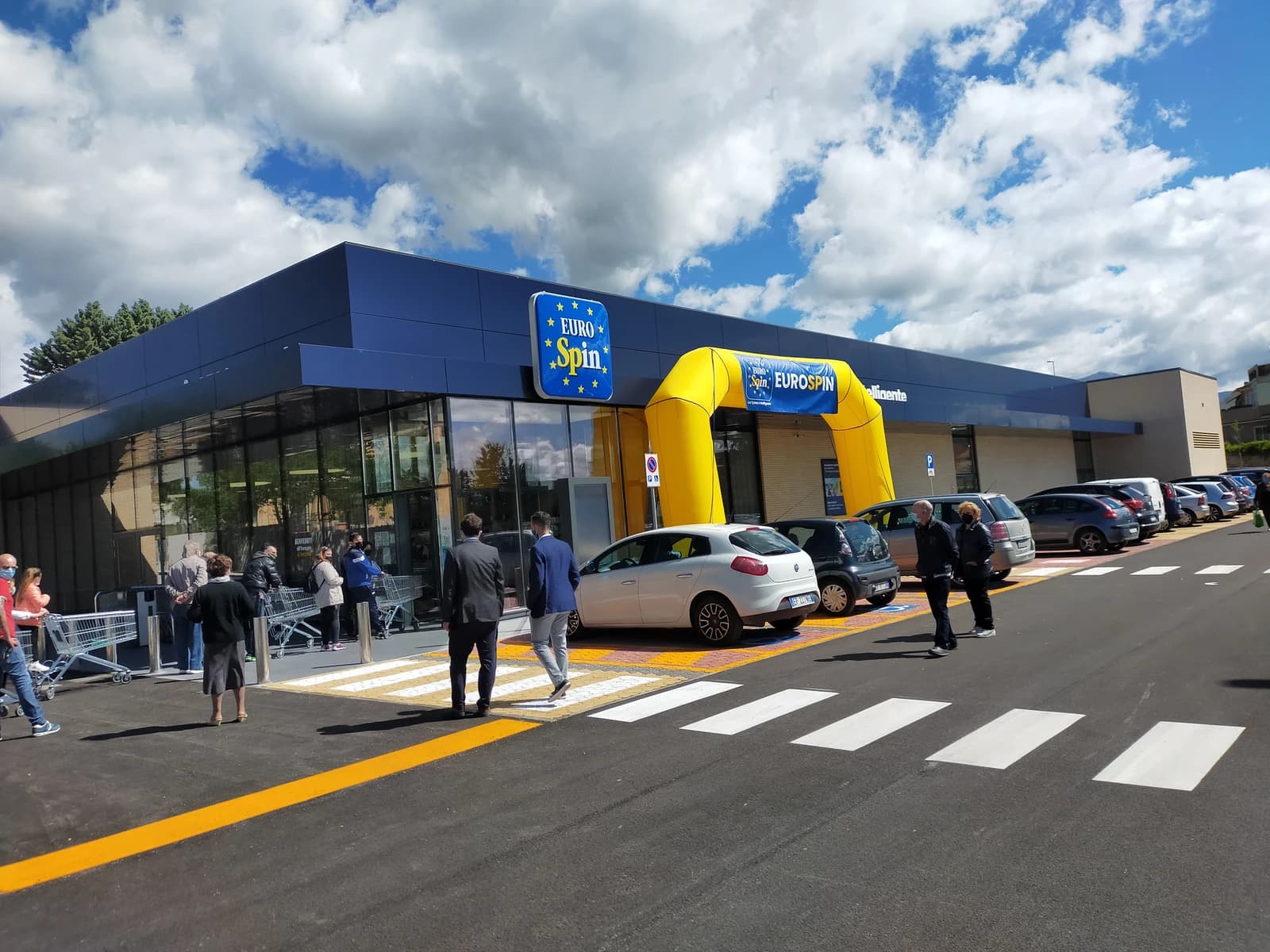
The Italian competition watchdog, AGCM, has opened proceedings against Eurospin Italia and several group companies, including Eurospin Tirrenica, Spesa Intelligente, Eurospin Lazio, Eurospin Puglia and Eurospin Sicilia, over a possible breach of Article 101 of the EU treaty rules on competition. Finanza police carried out inspections at the companies’ premises as part of the inquiry.
Sentiment Indicators
The antitrust case goes to the core of how franchising is supposed to work. Under the model, franchisees pay for the right to use a brand and business format, but they are normally expected to retain commercial autonomy, including the ability to set their own prices. Regulators say Eurospin may instead have imposed fixed pricing, preventing individual stores from lowering prices and even competing with one another.
That matters economically because Eurospin sits at the sharp end of Italy’s grocery market. The company is one of the country’s biggest food retailers and a leading discount chain, a position that gives it outsized influence on everyday household spending. If franchise stores are unable to discount freely, consumers lose a source of price relief at a time when food costs remain elevated.
The timing also raises the stakes for regulators. Inflation has already pushed up the price of grocery staples, and households have increasingly turned to discount retailers to protect purchasing power. Any restriction on price competition in that channel would hit shoppers where they feel inflation most directly: the weekly shopping basket.
For investors, the case adds regulatory risk to a business built on low-price positioning and high-volume traffic. A finding against Eurospin could force changes to its franchise model, expose it to fines or compliance costs, and increase scrutiny of pricing practices across Italy’s retail sector. It also highlights how antitrust authorities are leaning harder into consumer-protection cases where cost-of-living pressures make alleged price coordination politically sensitive.
The outcome of the inquiry will now determine whether Eurospin’s franchise network has to loosen pricing controls or faces penalties for allegedly restricting competition in one of the most inflation-sensitive parts of the economy.
| Entity | Gains | Losses |
|---|---|---|
| Consumers | ▲Lower prices if competition rises | ▼Less price relief if controls persist |
| Franchise stores | ▲Pricing autonomy if probe succeeds | ▼Margin flexibility under investigation |
| Eurospin | ▲Clear rules if compliant | ▼Fines, reputational damage, model changes |
| Rivals in discount retail | ▲Potentially stronger price competition | ▼Pressure if Eurospin re-prices aggressively |