Coffee in Switzerland is getting expensive enough to change consumer behavior, lift operating pressure on cafés and keep margins tight even as many operators still resist passing through the full cost burden.
Swiss coffee prices approach 5-franc mark
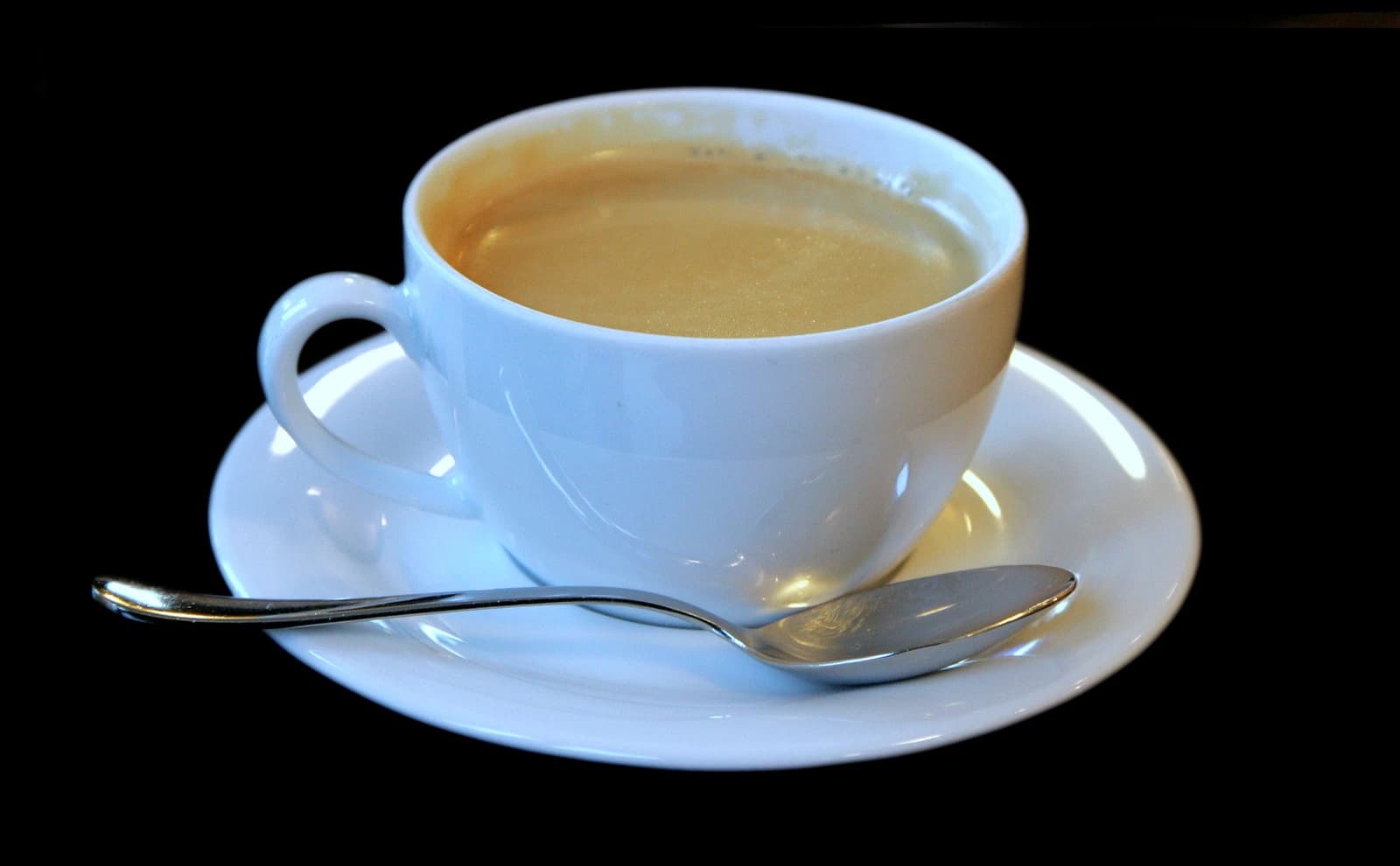
A café crème now costs 4.71 francs on average across German-speaking Switzerland, up 6 centimes from a year earlier and 51 centimes since 2015, according to the industry group Cafetiersuisse’s survey of 668 hospitality businesses. The most striking number for investors and consumers alike is the creeping approach to the 5-franc mark: nearly one in four surveyed cafés now charges at least 5 francs, up from one in five last year.
Sentiment Indicators
That matters because coffee is a high-frequency purchase and a useful read-through on broader cost inflation in services. Cafés are being squeezed by higher wages, energy bills, rents and green coffee costs, yet the industry is showing pricing discipline in many locations. More than two-thirds of the businesses surveyed did not raise prices, suggesting operators are still wary of pushing customers too far in a market where discretionary spend is under pressure.
The geography of the price increase also tells a broader story about urban cost inflation. Luzern is now Switzerland’s priciest city for a café crème at 4.95 francs, edging past Zurich at 4.94 francs and Zug at 4.93 francs. That may sound trivial, but it shows how quickly “premium” service pricing can spread beyond the country’s traditional high-cost center. For landlords, staff and suppliers, it is another reminder that Swiss consumer prices remain sticky even when the headline move appears small.
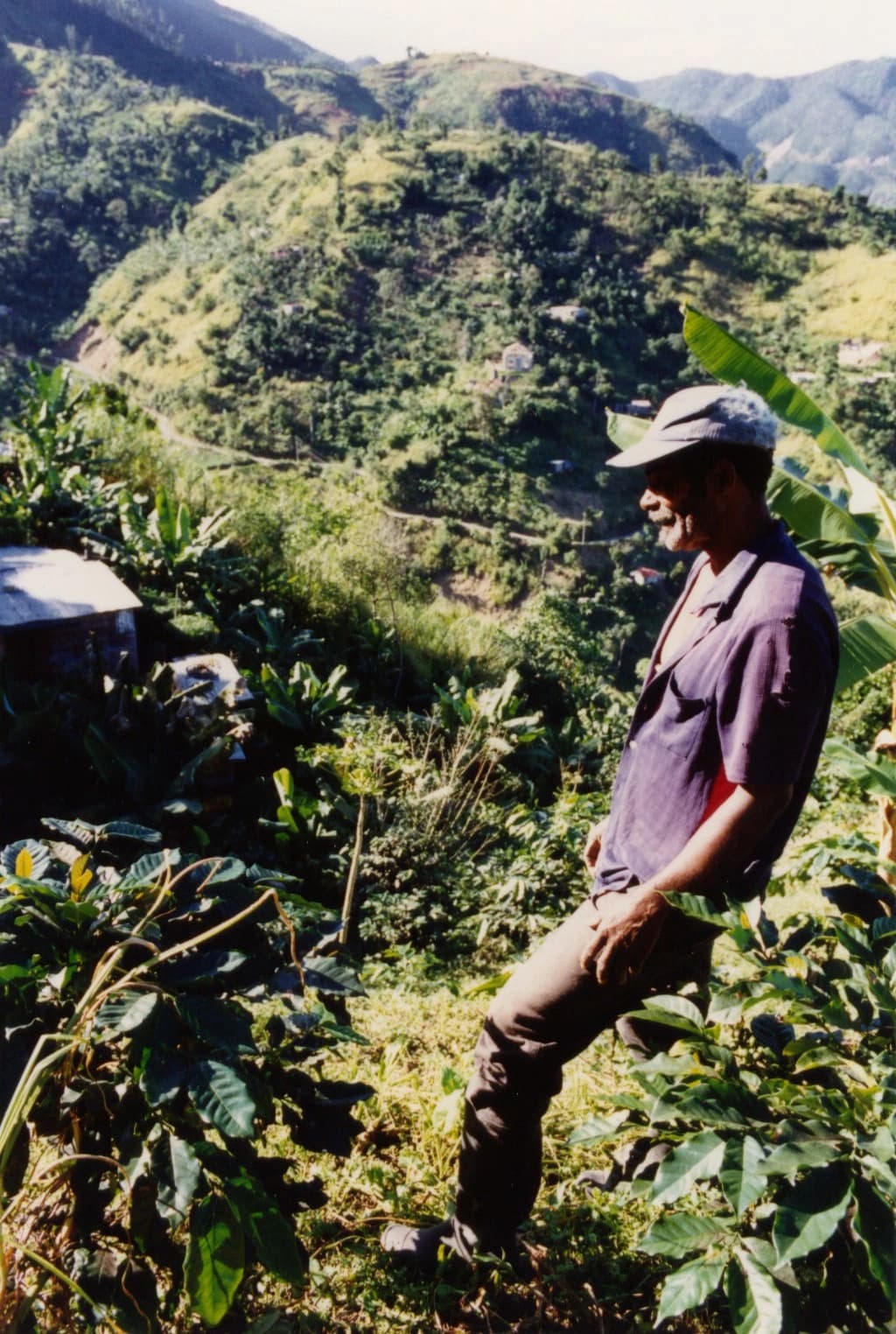
The trend is not isolated to cafés. In coffee-producing markets, bean prices have also been under pressure from supply swings, harvests and global futures volatility. But for Swiss hospitality businesses, the more immediate issue is not commodity charts — it is whether consumers will absorb repeated small increases or start trading down. The answer will determine how much pricing power survives in one of Europe’s most affluent consumer markets.
For investors, the opportunity sits less in the coffee cup itself than in the broader pricing ecosystem around premium foodservice, labor automation and consumer staples with strong brand power. Operators with scale, procurement leverage and the ability to automate or standardize service should outperform smaller independents. The losers are the businesses that rely on cheap, stable inputs and cannot pass through costs without risking traffic.
The next test comes in 2027, when Cafetiersuisse expects most operators to keep prices stable but sees another 5-to-10-cent increase where adjustments are unavoidable. That means the 5-franc coffee is no longer a hypothetical threshold — it is the market’s new baseline risk.
| Entity | Gains | Losses |
|---|---|---|
| Large café chains | ▲Pricing power | ▼Independent cafés |
| Landlords and wage earners | ▲Higher nominal costs passed through | ▼Margin-sensitive operators |
| Premium coffee brands | ▲Stronger brand pricing | ▼Value-focused consumers |
| Swiss consumers | ▲None | ▼Everyday spending power |