Everthine’s debut of the A1 desktop companion at IFA 2026 matters because it shows the AI hardware race moving from generic assistants to persistent, embodied products built for the desk, with memory, voice, cameras and a display designed to make software feel like a living presence.
Everthine A1 Desktop Companion Debuts at IFA 2026

That shift is economically important because it points to a new product category that could widen the market for consumer AI beyond phones and PCs, while also raising the stakes for component makers tied to premium devices. A1 centers on a real-time 3D character displayed on an 8.01-inch curved OLED screen, with a six-microphone array, front and rear cameras, Wi-Fi, Bluetooth and a 10W speaker. Everthine is not pitching it as a novelty toy but as an adult companion with continuity, long-term memory and a companion app that can carry the same character across linked devices.
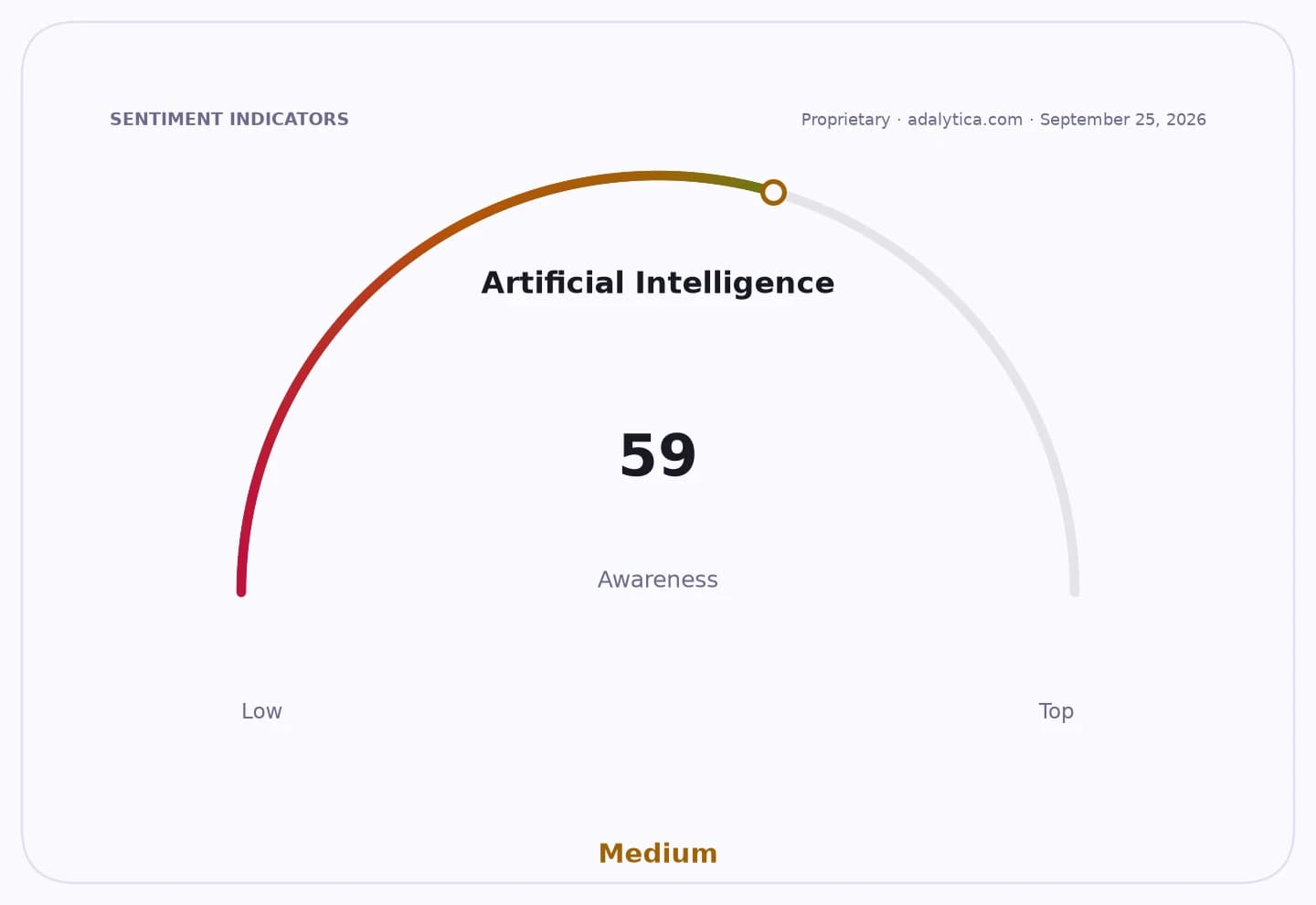
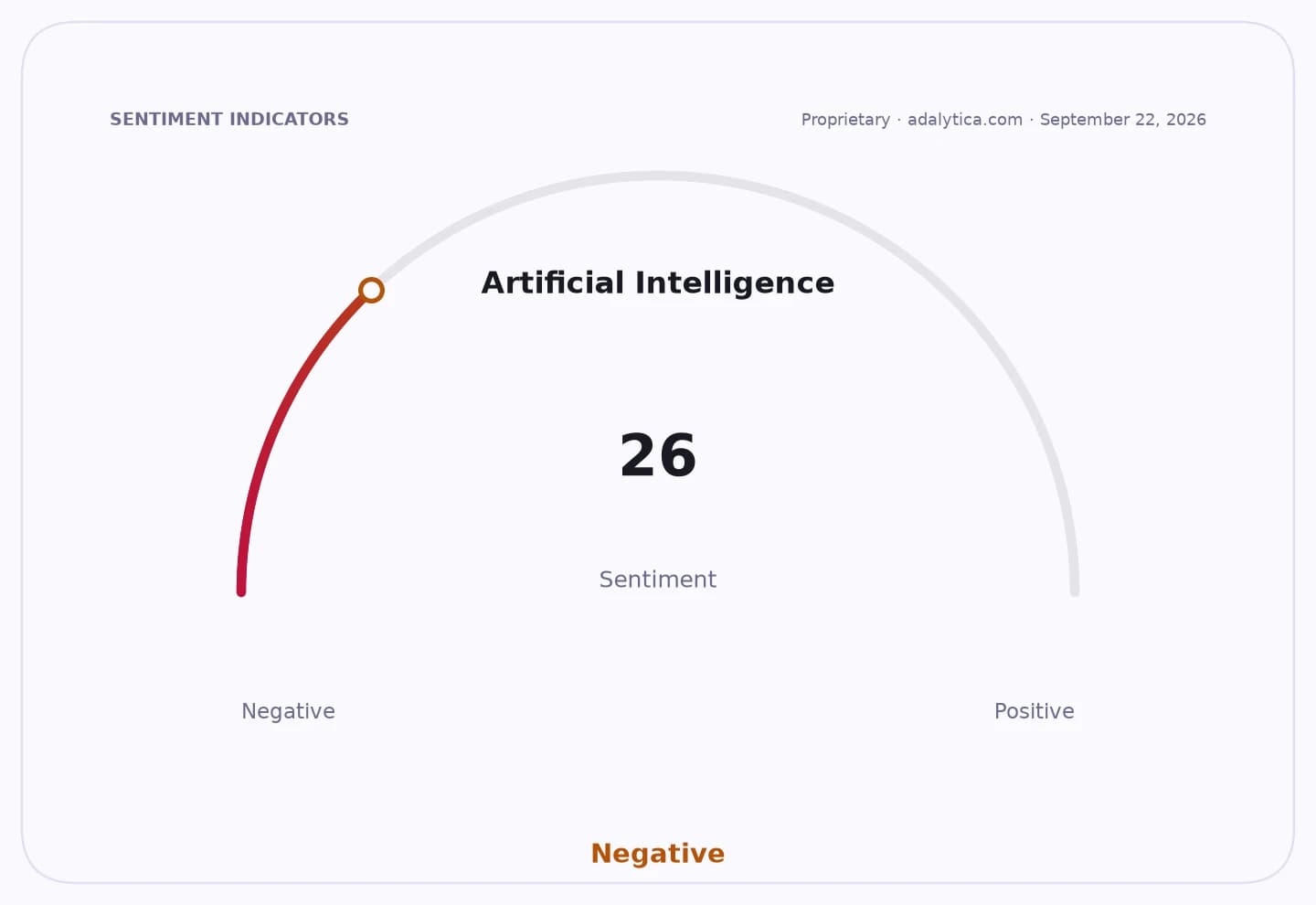
Sentiment IndicatorsⓘProprietary · adalytica.com · September 5, 2026
This is a snapshot — live sentiment, awareness and momentum for 130+ markets update continuously in the dashboard.Open AlphaPulse
The company’s emphasis on memory is the key differentiator. Everthine says A1 can remember details from earlier conversations, recognize familiar faces and pets, and build a personality over time. That makes the product closer to an always-on relationship interface than a standard voice assistant, and it reflects the industry’s broader push into agentic AI and persistent digital identities. The software roadmap, including text, voice and video interaction, suggests the real monetization may come from subscriptions, updates and cross-device engagement rather than the initial hardware sale alone.
For investors, the launch is a read-through on demand for the hardware stack around AI companions. OLED panels, microphones, cameras and connectivity chips all gain from a category that requires richer interfaces than a conventional smart speaker. Nvidia, which remains central to the AI compute cycle, is not the direct beneficiary of this device, but the broader appetite for AI-branded products reinforces the ecosystem that has supported chip demand. Nvidia shares were last at $230.36 on Sept. 4, above both the 50-day moving average of $210.57 and the 200-day average of $196.53, while technical indicators such as RSI and MACD point to a still-firm trend. Microsoft, by contrast, has been more volatile, with its shares at $499.70 on Sept. 4 and Adalytica’s earnings sentiment reading at “Extreme Fear,” underscoring how investors are still debating which AI efforts translate into durable returns.
The product also lands in a market that is increasingly sensitive to privacy and data-use claims. Everthine says conversations are protected with end-to-end encryption, won’t be used to train AI models and can be permanently deleted, a necessary position for any consumer companion device seeking adoption in Europe. That matters at least as much as the graphics and animation, because persistent memory is only commercially viable if users trust the device enough to keep it active on a desk or in a living space.
The immediate test at Messe Berlin is not whether the A1 looks impressive, but whether it can respond quickly, maintain believable continuity and deliver the kind of depth that justifies a dedicated product. If it works, the launch could help validate a class of AI devices that sits somewhere between consumer electronics and personal software. If it does not, the demonstration will add to the growing list of AI hardware concepts that looked compelling on stage but struggled to earn repeat use.
| Entity | Gains | Losses |
|---|---|---|
| Everthine | ▲Product visibility and category credibility | ▼Pressure to prove real utility |
| OLED/camera/mic suppliers | ▲Higher AI-device demand | ▼Low if adoption stalls |
| Nvidia ecosystem | ▲Broader AI hardware enthusiasm | ▼Limited direct benefit here |
| Traditional voice assistants | ▲None | ▼Relevance to richer companions |