Evonik’s plan to eliminate 3,200 jobs is the clearest sign yet that Europe’s chemicals industry is still fighting a structural downturn, even as the company looks overseas for its next leg of growth.
Evonik plans 3,200 job cuts and shifts growth abroad
For investors, that matters because chemicals are a bellwether for industrial demand, energy costs and manufacturing health. When a company like Evonik says it must shrink at home, reshuffle work across six German sites and redirect capital toward Asia and the Americas, it is really saying the economics of the sector have changed. The old model of leaning on Europe’s mature markets is no longer enough.
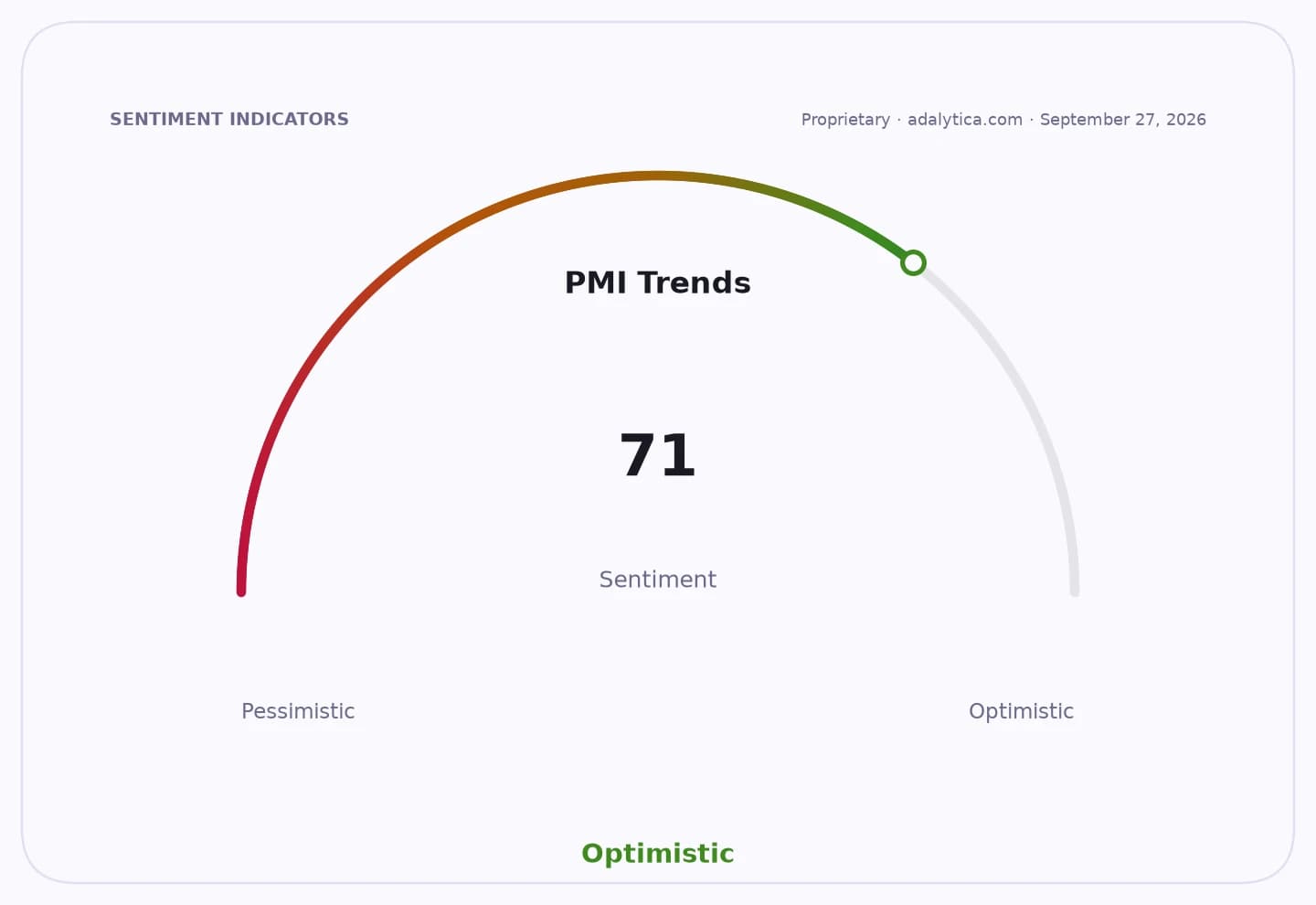
Sentiment IndicatorsⓘProprietary · adalytica.com · September 26, 2026
This is a snapshot — live sentiment, awareness and momentum for 130+ markets update continuously in the dashboard.Open AlphaPulse
The Essen-based group said 2,150 of the cuts will come in Germany. It is not the first austerity round: Evonik said about 2,800 jobs will already disappear by the end of 2026 through earlier savings and efficiency programs, while the new plan is meant to run through 2029 without compulsory redundancies. The company will rely on not replacing departing workers, early retirement and voluntary severance packages.
That is a painful message for employees, but it can be the right move for long-term shareholders if it improves returns and focuses the portfolio on businesses with better growth and pricing power. Evonik also said it is reviewing further investment projects in Asia and the Americas, where management sees the best opportunities. That geographic shift is important: it suggests the company is chasing markets with stronger industrial expansion and potentially better margin prospects than Europe.
The stock’s jump of almost 5% shows investors are willing to reward decisive restructuring, even when the headline looks grim. Markets often prefer a company that takes its medicine early rather than one that lets margins erode slowly. The fact that Evonik did not yet spell out the savings or one-off costs leaves some uncertainty, but the direction of travel is clear.
This is also part of a broader industry story. Chemical producers across Europe are under pressure from weak demand, high input costs and sluggish manufacturing. Evonik’s move to reorganize product lines by role profile and assign tasks across six major German sites underlines how deeply companies are rethinking their operating models. Earlier decisions to exit smaller or less profitable activities, including the polyester business, reinforce that this is a portfolio reset, not just a cost-cutting exercise.
For long-term investors, the key question is whether Evonik can turn restructuring into higher free cash flow and a more resilient earnings base. If Asia and the Americas deliver the growth management expects, the company could emerge leaner and more focused. If not, more cuts may follow. Either way, this looks like a chemical sector still in transition, and it is worth keeping on the watchlist.
| Entity | Gains | Losses |
|---|---|---|
| Evonik shareholders | ▲lower cost base | ▼near-term restructuring costs |
| Evonik management | ▲strategic flexibility | ▼execution risk |
| Workers in Germany | ▲severance/early retirement options | ▼2,150 job cuts |
| Asian and American operations | ▲more investment focus | ▼capital diverted from Europe |