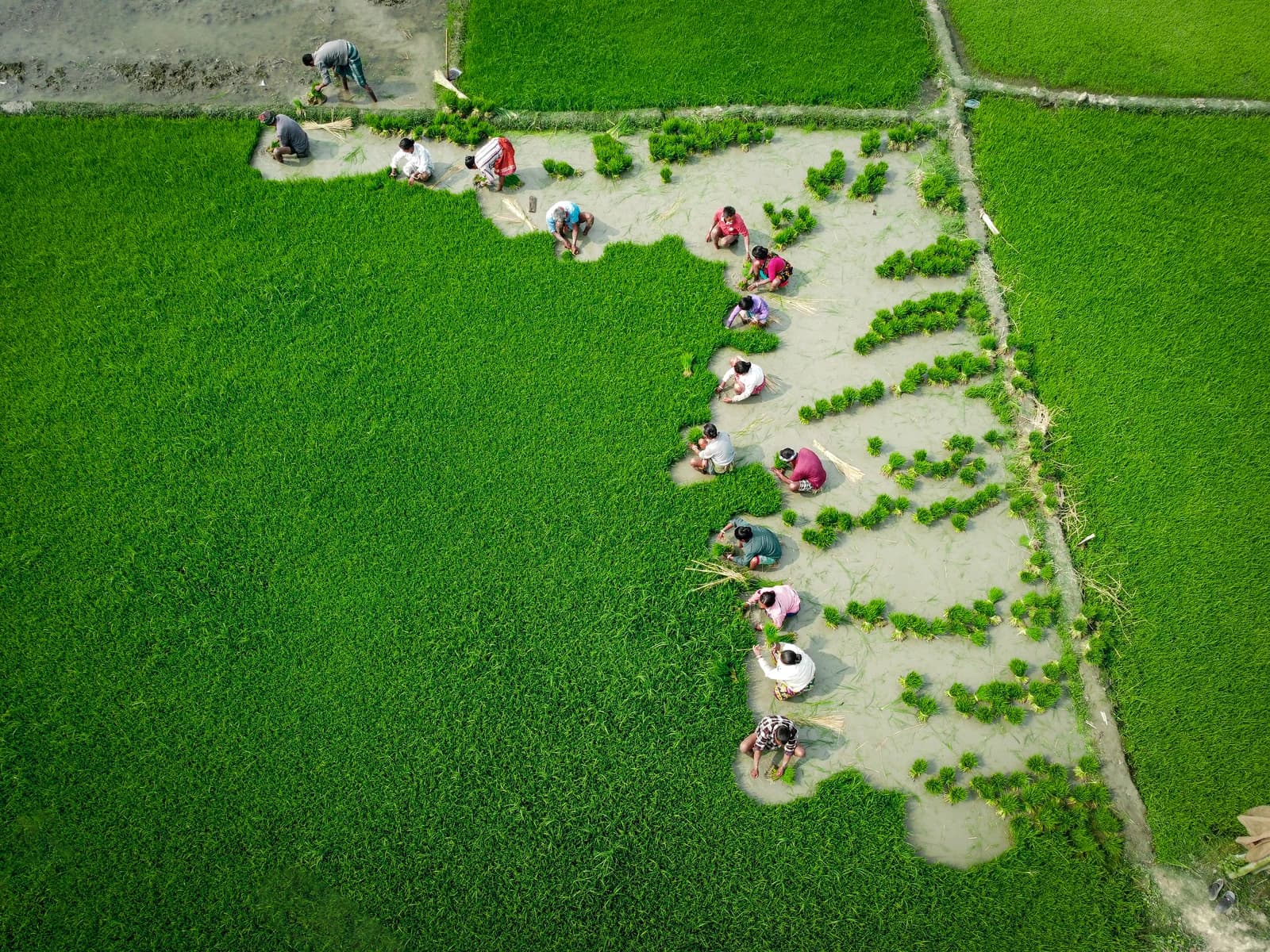
Punjab’s wheat yield competition has become a marketing showcase for Fatima Fertilizer, but the bigger economic message is that a handful of inputs and agronomic practices are producing yields far above the provincial norm in a crop central to Pakistan’s food bill.
Fatima Fertilizer Wins Punjab Wheat Yield Contest

Farmers using Fatima Fertilizer’s Sarsabz Nitrophos and Calcium Ammonium Nitrate took all three provincial titles and 119 of 120 district-level positions in Punjab’s 2025-26 wheat competition, underscoring how sharply output can rise when balanced nutrition and advisory support are applied to a crop that remains politically and economically sensitive in Pakistan.
Sentiment Indicators
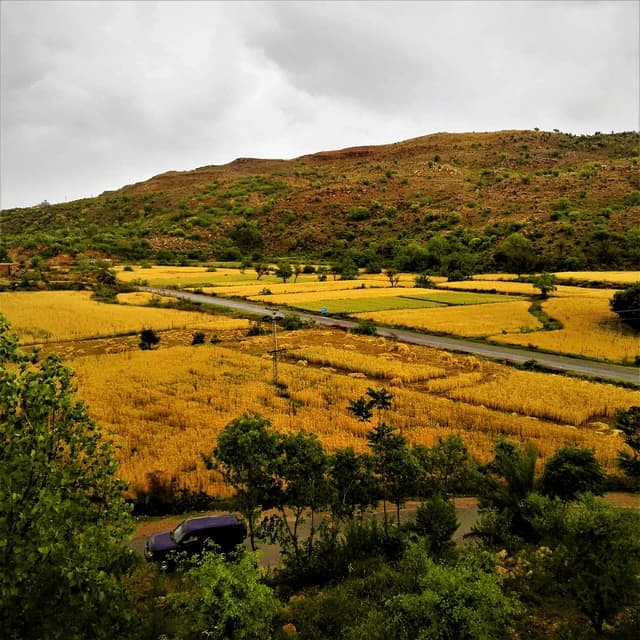
The top three provincial yields were clustered around 69 maunds per acre, with Sajjad Hussain of Muzaffargarh leading at 69 maunds and 39.4 kilograms per acre, followed by Shafiq Ahmed of Attock at 69 maunds and 39.1 kilograms, and Muhammad Asghar of Rahim Yar Khan at 69 maunds and 24.1 kilograms. Fatima Fertilizer said the winning Sarsabz farmers were nearly doubling the indicative national average of about 33 maunds per acre, a gap that matters for a country where wheat supply, flour prices and procurement policy are closely watched.
That gap is economically important because Pakistan’s wheat market has long been defined by low productivity, uneven access to quality seed and fertilizer, and recurring government intervention to stabilize prices. Higher yields can ease pressure on imports, support millers and reduce the need for emergency procurement, but only if gains are scalable beyond a competition setting. The government’s pledge to procure every grain, its newly announced support price of Rs 4,500 per maund and Rs150 billion in interest-free loans to one million farmers through the Kissan Card all point to a policy push aimed at lifting production and keeping farmers solvent.
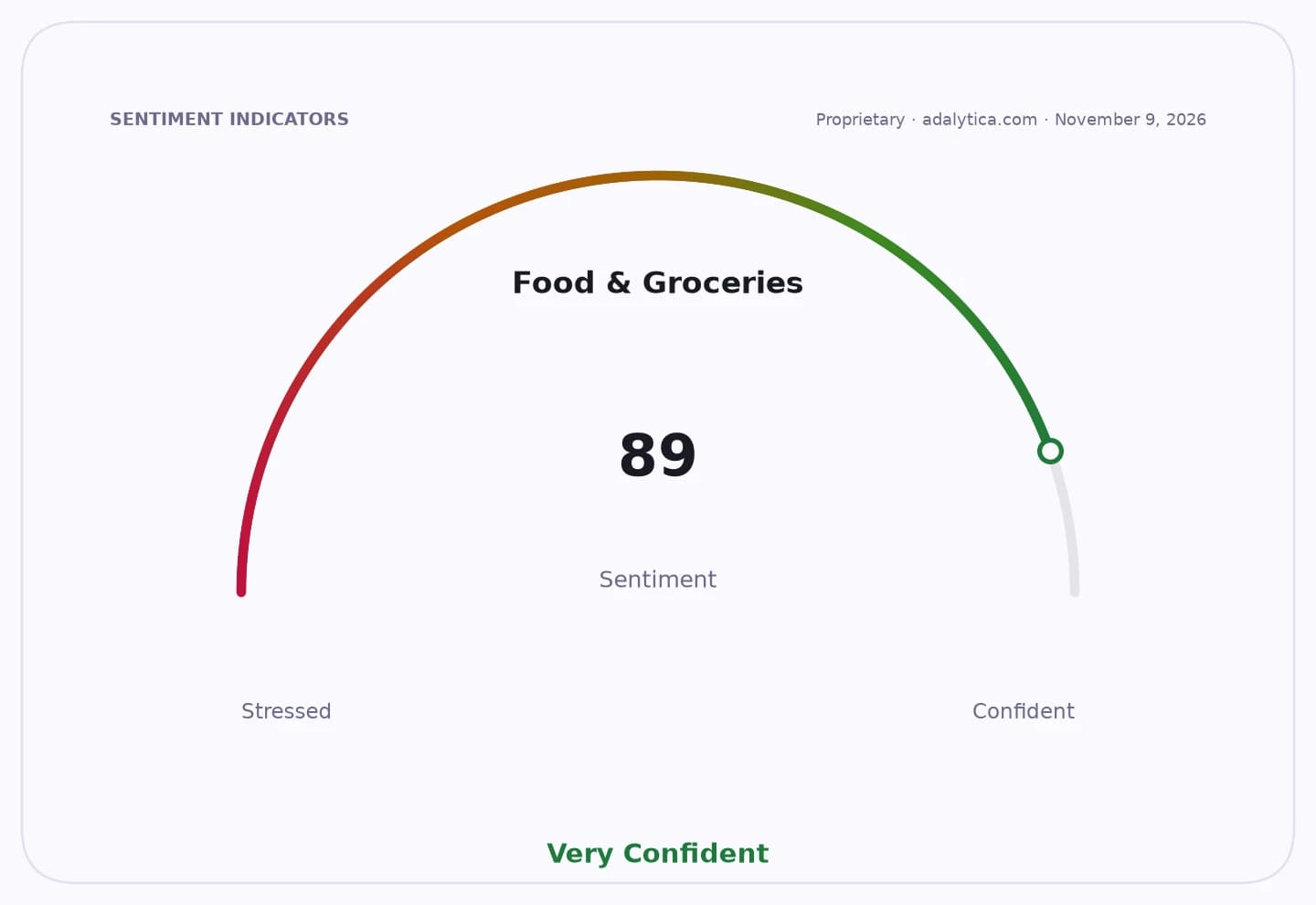
Food & Groceries
For investors, the story is less about the prize ceremony than about the commercial proof point it provides for fertilizer producers tied to crop nutrition and advisory services. Fatima Fertilizer is using the contest to validate its Sarsabz range and its soil-testing and agronomy offering, while also reinforcing the case for balanced nutrient use in a market where yield improvement can drive fertilizer demand even when broader rural purchasing power is strained.
The backdrop is a wheat market under pressure globally. U.S. wheat prices have been drifting toward recent lows while corn has also weakened on harvest progress, and the broader grain complex remains sensitive to supply swings, policy intervention and weather risk. Against that global softness, Pakistan’s focus is on domestic productivity and food security rather than export competitiveness.
The bull case for Pakistan’s farm-input sector is that sustained yield gains could lift adoption of higher-quality fertilizers and advisory services, especially if government credit schemes improve affordability. The bear case is that competition results may not translate into nationwide productivity without better irrigation, seed quality, farm financing and market reform. If the yield spread seen in Punjab can be repeated at scale, the payoff would be lower import dependence and more stable flour markets; if not, the gains will remain a promotional win more than a structural shift.
| Entity | Gains | Losses |
|---|---|---|
| Fatima Fertilizer | ▲Brand validation | ▼Price-sensitive rivals |
| Punjab farmers using Sarsabz | ▲Higher yields | ▼Low-input growers |
| Pakistan government | ▲Food security optics | ▼Pressure to intervene |
| Wheat import needs | ▲Potential decline | ▼Import-dependent millers |