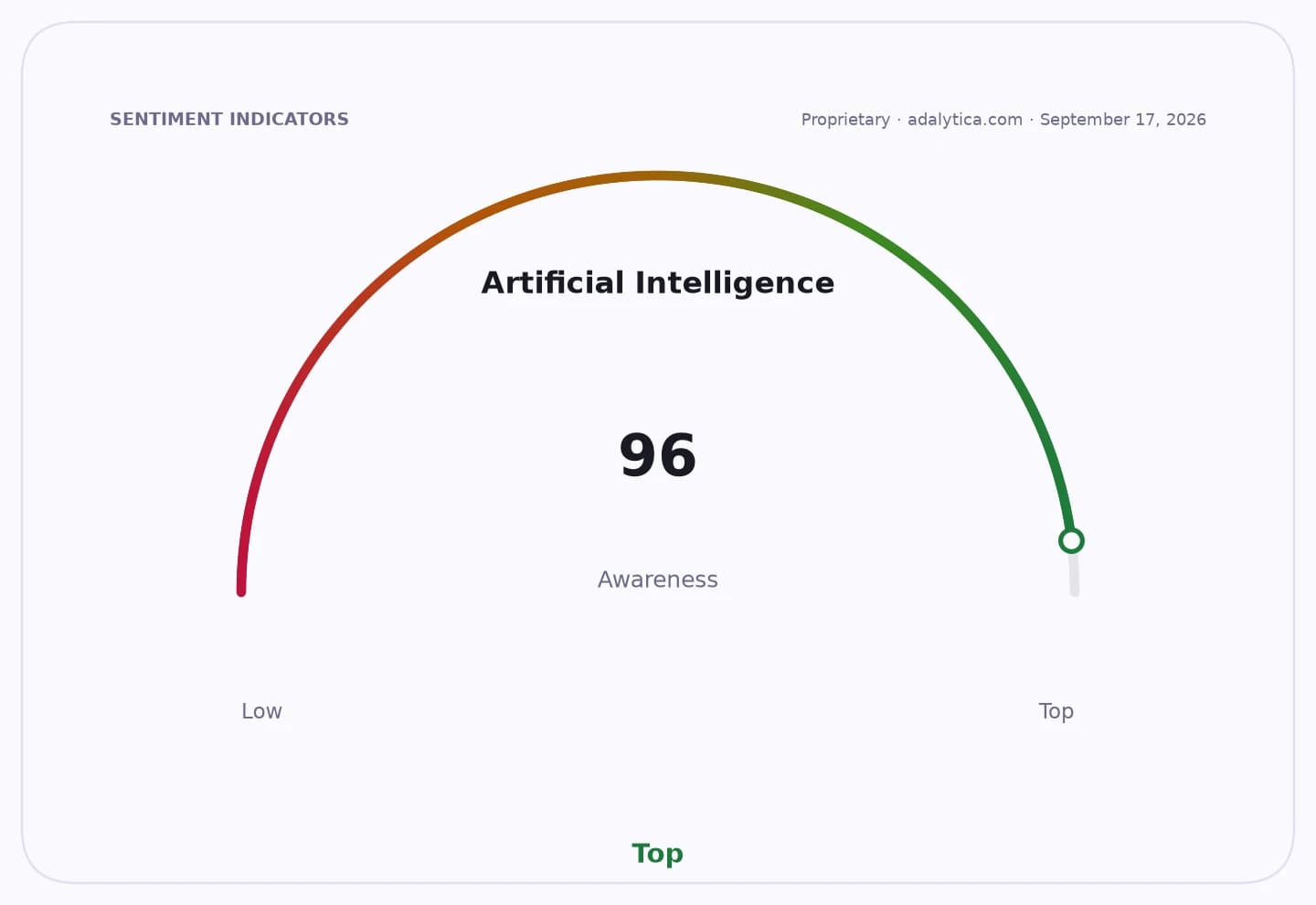
The Trump administration’s embrace of artificial intelligence in classrooms is colliding with a possible rollback of the federal program that pays for much of the internet access schools and libraries rely on, a shift that could reshape how quickly U.S. classrooms can adopt new technology.
FCC E-Rate Review Could Affect School AI Adoption
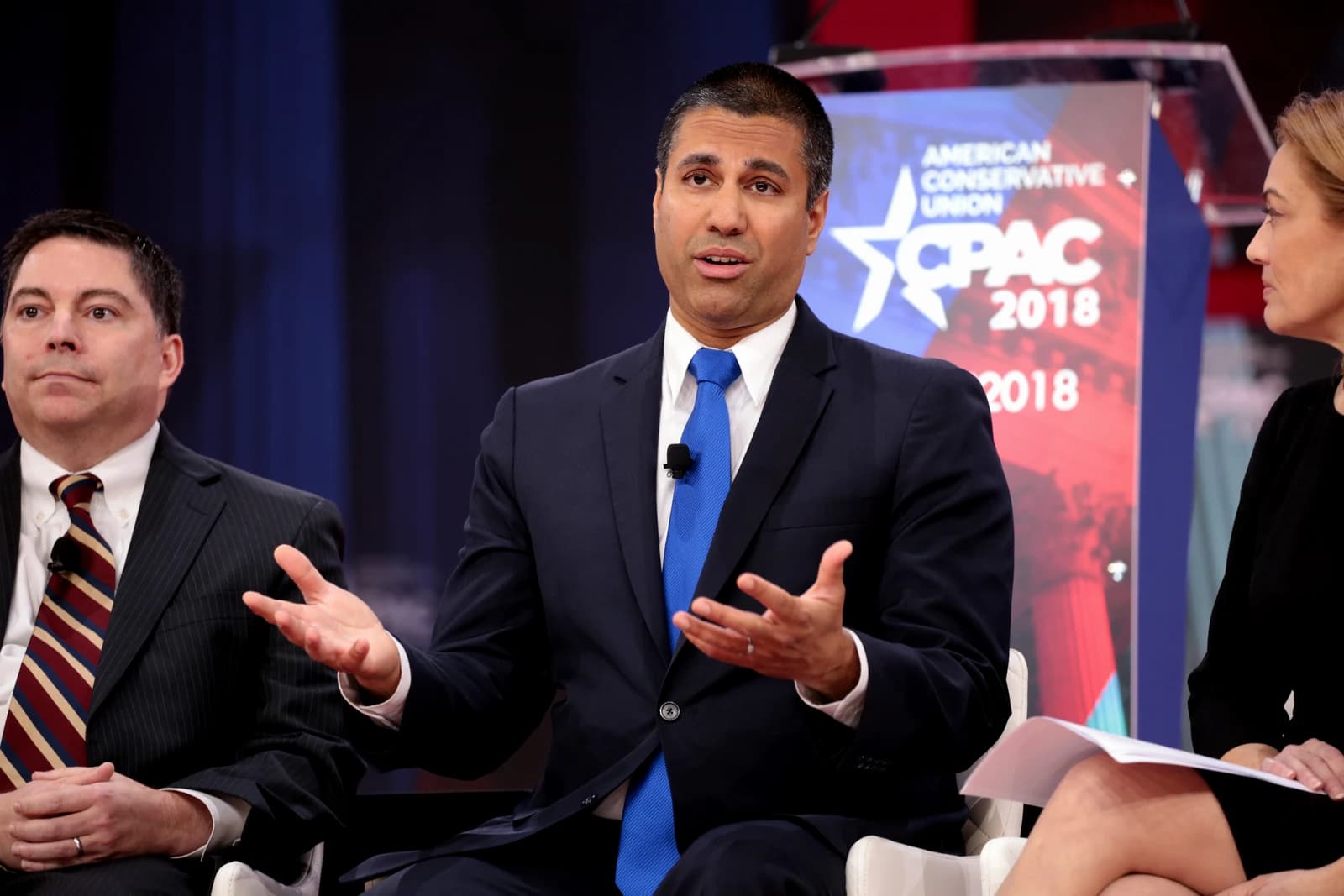
That tension matters because AI tools are only as useful as the networks that run them. If the Federal Communications Commission moves to curb or end school connectivity subsidies, districts — especially low-income and rural ones — would face higher bills or slower rollout of broadband and devices, just as the White House is encouraging more AI use in education.
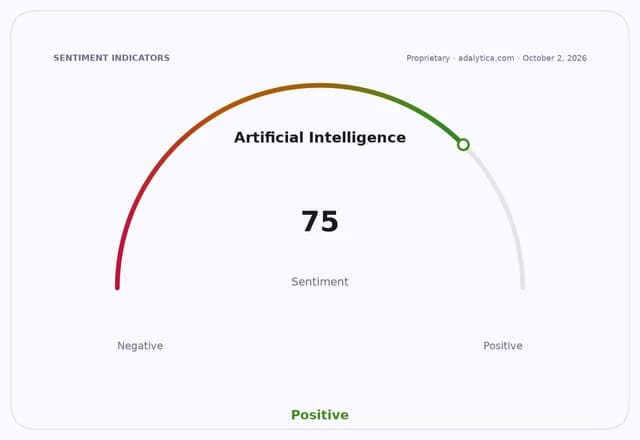
Schools currently use the FCC-backed E-Rate program to cover part of their internet and internal network costs, with the federal government paying roughly $4 billion a year. Supporters say the subsidy has been central to expanding access: more than 90% of schools are connected, and the program has helped bridge gaps in places where district budgets cannot absorb the full cost of digital infrastructure.
The debate is not simply about internet service. It goes to whether the federal government wants to promote classroom technology through direct support or through lighter-touch regulation and local spending. For principals and superintendents, the question is whether they will be asked to do more with AI while having less certainty over the connectivity budgets that make digital learning possible.
The FCC review also opens a split between winners and losers. Broadband providers and firms selling educational software or AI-driven learning tools could face slower demand if schools defer upgrades. Rural districts and poorer urban systems would be most exposed, since they depend more heavily on federal assistance to maintain service. Wealthier districts, by contrast, could be better positioned to absorb the cost themselves.
Market implications are more muted but still real. Education technology names, including public companies such as New Oriental Education & Technology Group and TAL Education in related overseas markets, have already been arguing that AI can make learning more personalized and efficient. But those benefits depend on stable access. Any policy that weakens school connectivity support could slow procurement cycles and make investors more cautious on the pace of monetization for AI education products.
The politics are equally sharp. The administration has touted AI as a way to modernize learning, but cutting the subsidy would hand Democrats and school advocates a potent argument that Washington is pushing innovation without funding the infrastructure behind it. FCC commissioners have not yet finalized a move, but if the agency does act, the result would be a familiar Washington trade-off: lower federal spending now, but a more uneven path to classroom digitization later.
| Entity | Gains | Losses |
|---|---|---|
| Wealthier school districts | ▲More budget flexibility | ▼Less federal support |
| Rural and low-income districts | ▲— | ▼Higher connectivity costs |
| Broadband providers | ▲Potentially lower subsidy distortion | ▼Slower school demand |
| Edtech and AI learning vendors | ▲Narrative support for AI adoption | ▼Slower classroom rollout |