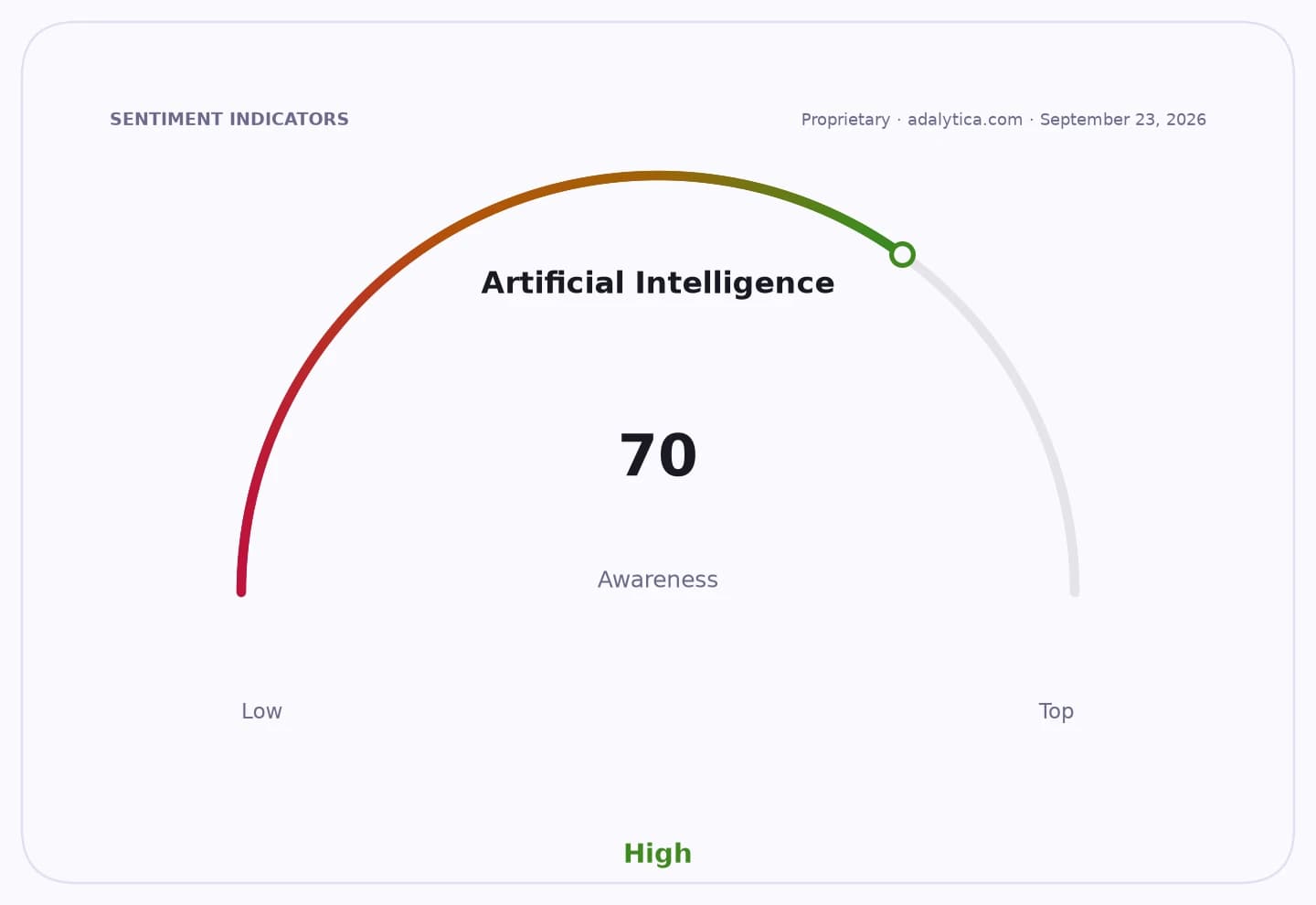
Texas is moving from AI booster to AI gatekeeper, and that shift is a direct threat to the biggest names building out the infrastructure behind the generative-AI boom.
Texas AI Data Center Restrictions Threaten Expansion
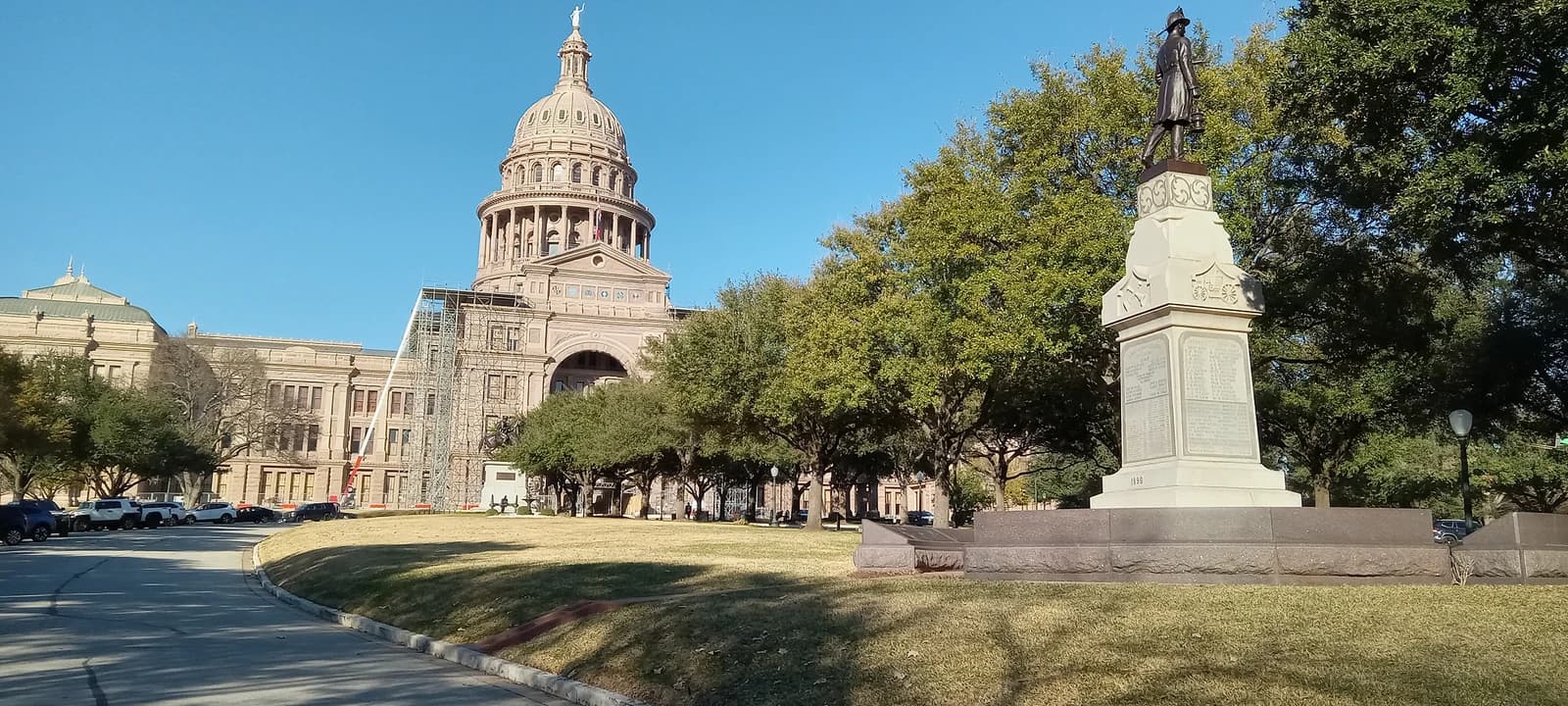
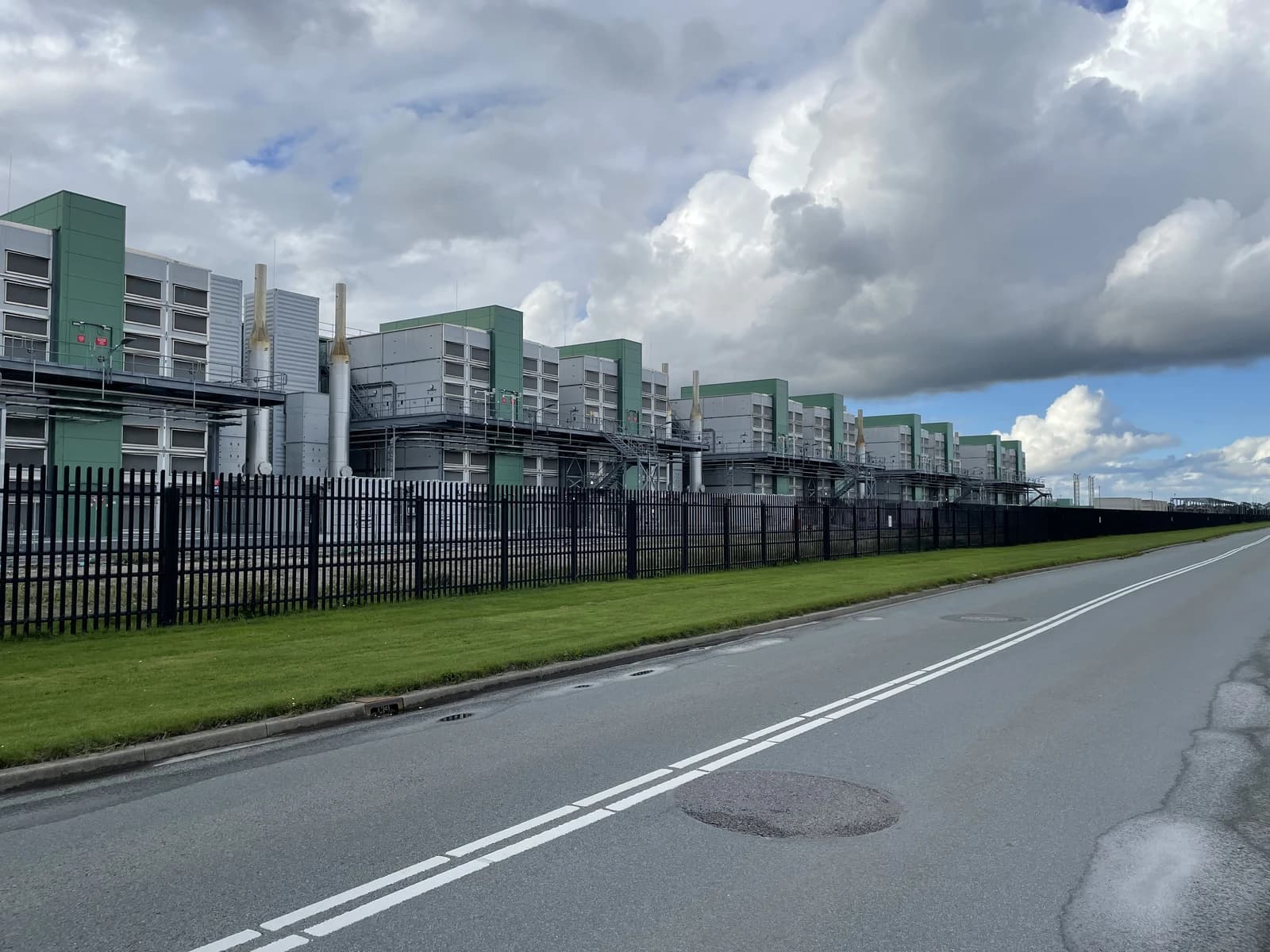
What makes this matter is not just the politics. Texas has become one of the most important battlegrounds for data-center expansion, grid buildout and AI capex, with OpenAI’s Stargate campus in Abilene and other major projects making the state a marquee destination for compute. Now Governor Greg Abbott is calling for sweeping new restrictions, a repeal of tax incentives and tighter limits on rural development, while a state audit has effectively paused approvals for new grid connections. That is the kind of policy friction that can slow multi-billion-dollar projects, raise financing risk and force hyperscalers to rethink where and how they expand.
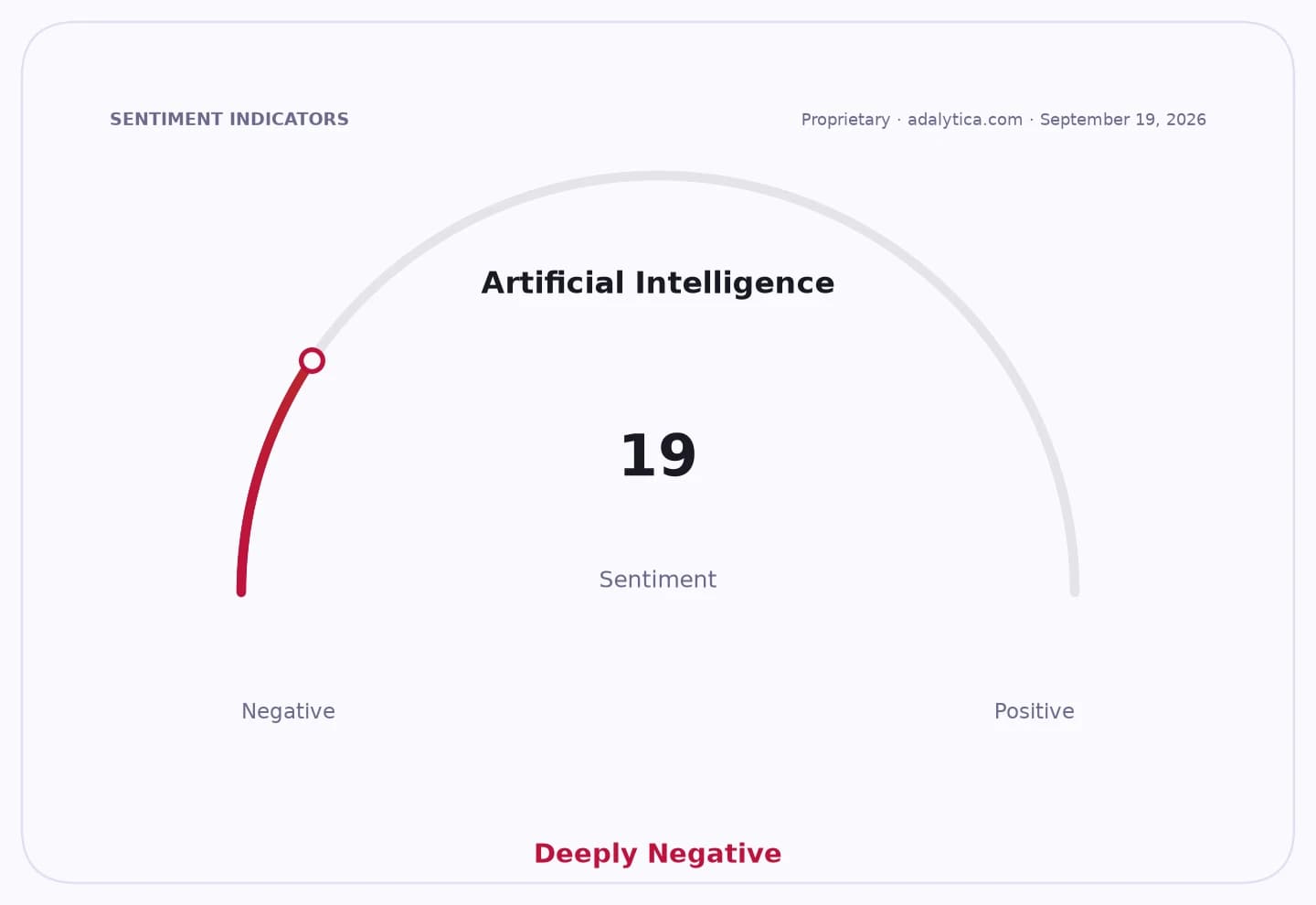
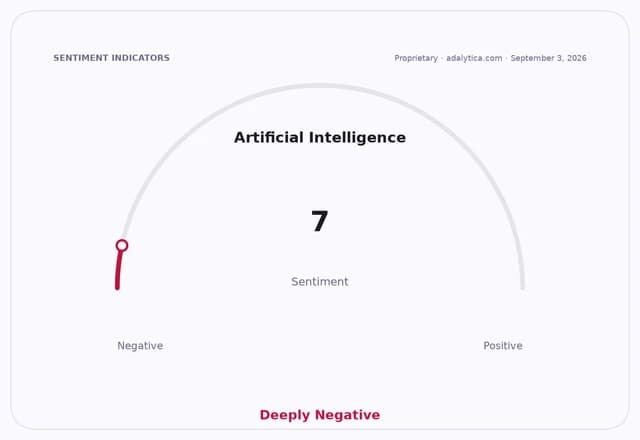
Sentiment IndicatorsⓘProprietary · adalytica.com · September 3, 2026
This is a snapshot — live sentiment, awareness and momentum for 130+ markets update continuously in the dashboard.Open AlphaPulse
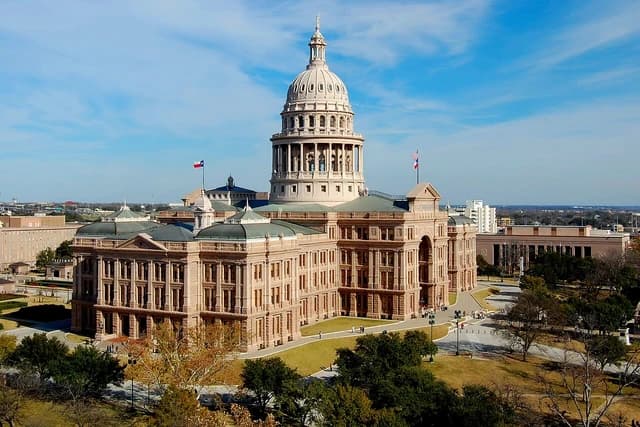
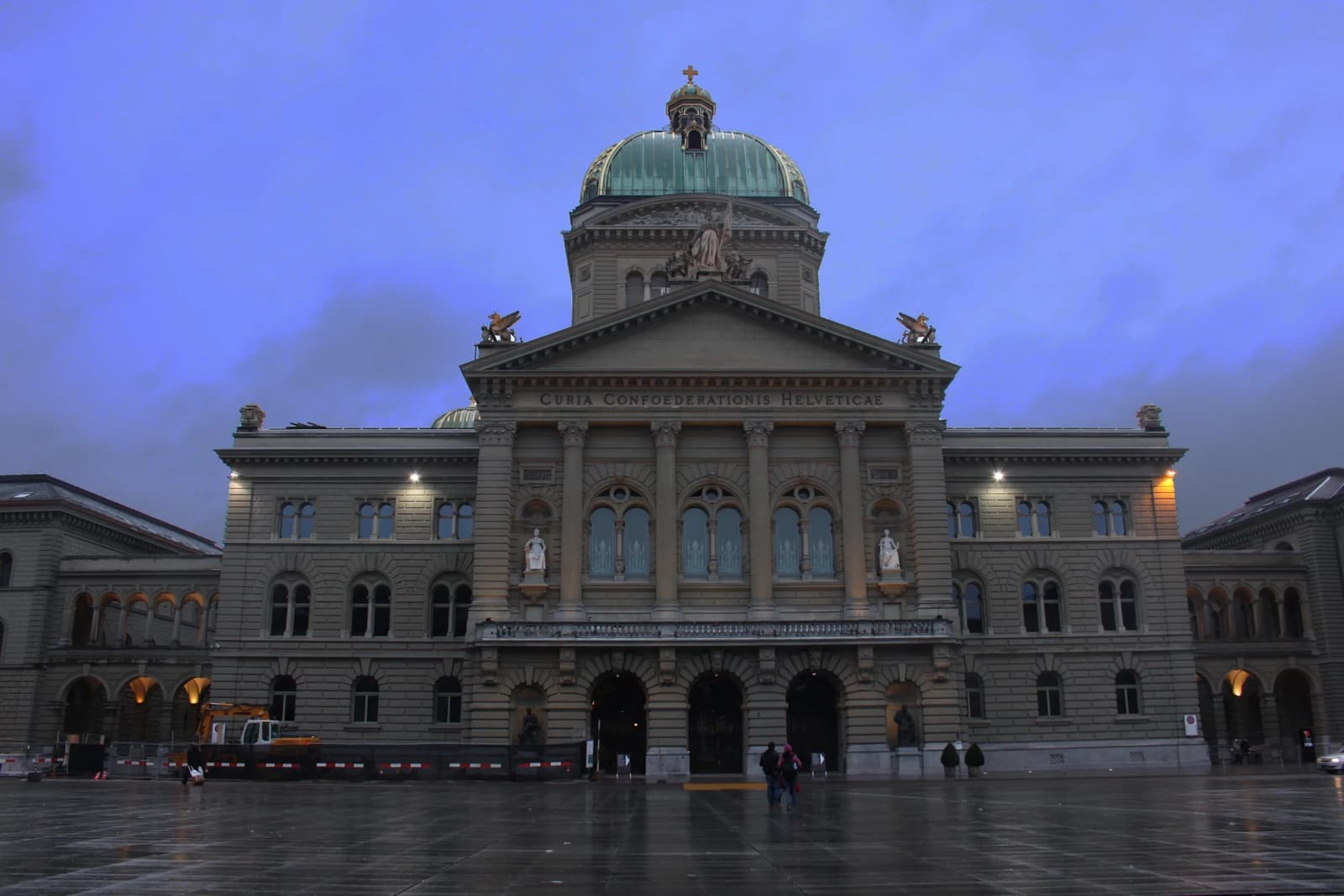
The political reversal is also spreading well beyond Texas. Republican candidates in Michigan, Wisconsin and Pennsylvania are adopting tougher rhetoric or proposing restrictions, breaking with President Donald Trump’s pro-AI line and showing that data centers have become a local affordability issue, not just a growth story. Voters are linking these facilities to higher power and water bills, while a Texas poll found just 30% of respondents would support a data center in their community. Once an asset class becomes a target for populist backlash in both parties, incentives get renegotiated fast.
For investors, the key takeaway is that the AI trade is no longer just about chips and software. It is increasingly about permitting, utility access, land use and political license — the unglamorous bottlenecks that determine how quickly capex turns into revenue. Microsoft, Alphabet and Amazon are all exposed through their data-center and cloud footprints, and each has already warned in filings that power constraints, permitting delays and regulatory changes can disrupt projects and raise costs. Oracle is similarly tied to the buildout, while Nvidia remains levered to the broader compute cycle even if the near-term choke point shifts from semiconductors to infrastructure.
The market has been treating data-center demand as an almost frictionless secular trend. That is exactly the assumption Texas is now challenging. Big tech is spending more than $300 million on the midterms to defend the narrative, with Anthropic-linked groups, OpenAI co-founder Greg Brockman and Meta all contributing to state-focused political efforts in Texas. But money can’t substitute for local consent, and it cannot erase the fact that utilities, regulators and politicians control the pace of deployment.
This is why the current backlash is investable. The winners are not only the hyperscalers that can navigate the new rules, but also the power, grid and infrastructure suppliers that get paid whether data centers are loved or merely tolerated. The losers are operators relying on cheap land, easy incentives and fast interconnections. In our view, the market underestimates how much the next phase of AI growth will be shaped by state-level resistance and how quickly that can redirect capital toward grid equipment, power generation, cooling systems and industrial infrastructure.
The real inflection point is coming after the election, when politicians who have campaigned against data centers will be forced to decide whether they are serious about restrictions or just chasing votes. Either way, investors should position for a slower, more expensive buildout and favor the picks-and-shovels that benefit from the bottleneck.
| Entity | Gains | Losses |
|---|---|---|
| Utility and grid suppliers | ▲Higher demand for hookups | ▼Slower project approvals |
| Big Tech hyperscalers | ▲Long-term AI capacity | ▼Near-term capex friction |
| Texas voters/community groups | ▲Lower local strain | ▼Fewer tax incentives |
| Data center developers | ▲Political cover in some races | ▼Permitting and expansion risk |