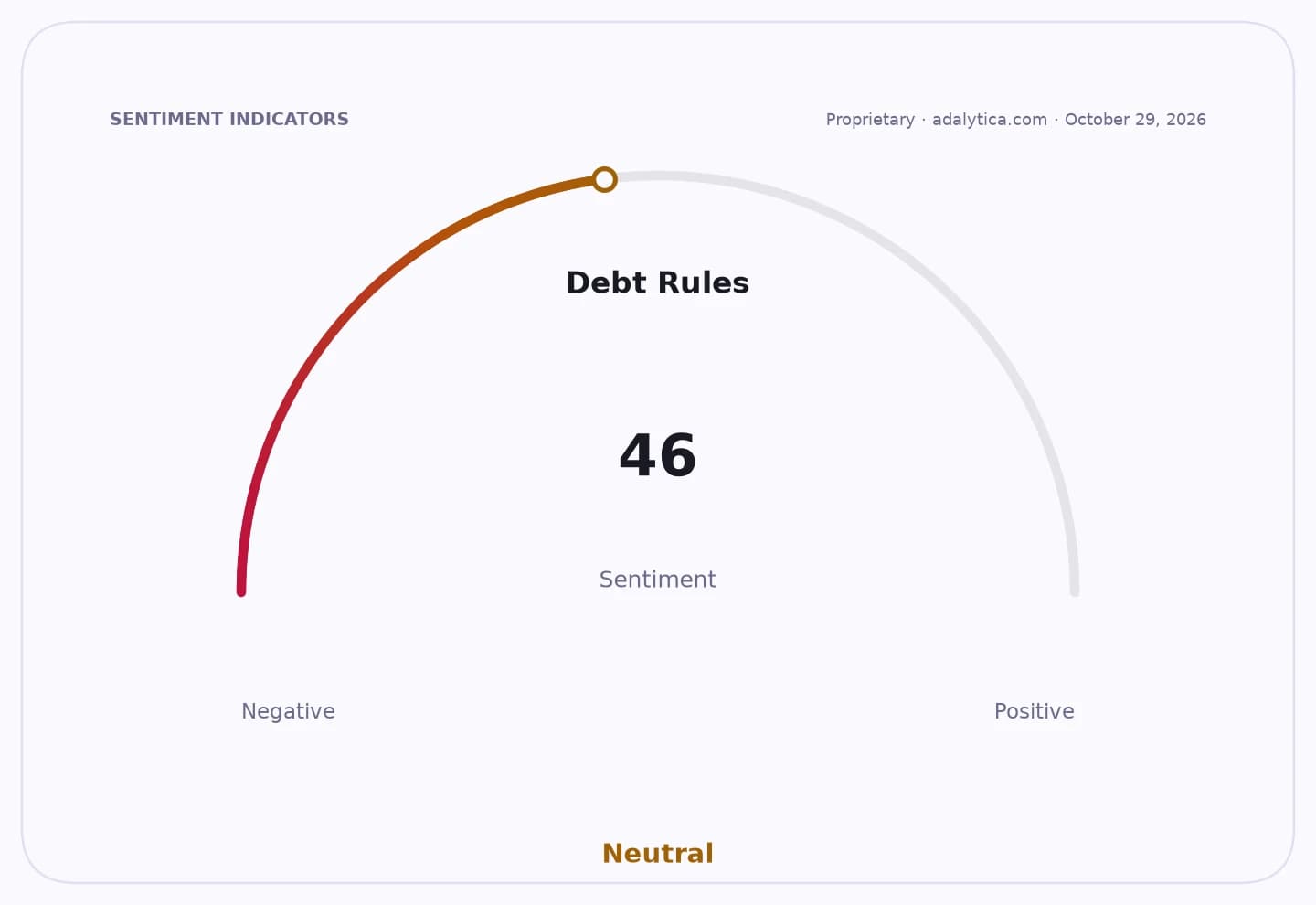
Fenerbahçe said its net debt fell to 164 million euros by the end of August 2026, down 84 million euros from three months earlier, a sharp improvement that eases pressure on one of Turkey’s biggest football clubs as it works to stabilize its balance sheet.
Fenerbahçe net debt falls to 164 million euros
The reduction matters because club debt has become a key measure of financial resilience in Turkish football, where rising financing costs, volatile revenues and currency swings can quickly erode operating gains. Fenerbahçe’s management said the club generated a 12 million-euro surplus in its first three months under the new administration, helped by 145 million euros of income against 133 million euros of spending.
On a local-currency basis, the club reported total liabilities of 36.384 billion lira, with short-term obligations of 22.727 billion lira and long-term obligations of 13.935 billion lira. It also reported 7.633 billion lira of revenue, 6.979 billion lira of expenses and an equity loss of 278 million lira.
For investors and stakeholders, the headline debt decline is encouraging, but the bigger question is whether it reflects a durable shift in cash generation or mainly timing effects and asset sales. A lower net debt load improves flexibility for wage commitments, transfer spending and refinancing, while also reducing the risk that financing costs consume a larger share of operating income.
The development is also important for supporters and members who have pushed for stronger governance and a cleaner financial profile. Fenerbahçe’s ability to keep liabilities moving lower could strengthen confidence in the club’s leadership and improve its leverage in future negotiations with lenders, sponsors and commercial partners.
Still, the figures show a club that remains heavily indebted in absolute terms. With liabilities still above 36 billion lira, the next test is whether Fenerbahçe can sustain operating surpluses without relying on one-off gains, especially if domestic economic conditions and currency volatility remain challenging.
| Entity | Gains | Losses |
|---|---|---|
| Fenerbahçe management | ▲Lower net debt, stronger credibility | ▼Pressure to sustain the turnaround |
| Lenders | ▲Improved repayment outlook | ▼Reduced bargaining power |
| Fans and members | ▲Better financial stability | ▼Continued exposure to debt risk |
| Rival clubs | ▲Little immediate benefit | ▼Competitive pressure from a better-financed Fenerbahçe |